Why Does My Air Conditioner Smell Bad?
Your air conditioner smells bad because trapped moisture, clogged drain lines, or dirty filters foster mold and bacteria growth. This causes musty or “dirty sock” odors.
Burning smells often indicate overheating components or electrical faults. These issues need immediate attention.
Dead animals or refrigerant leaks can also emit foul or chemical-like odors. Regular cleaning and maintenance help prevent these problems and keep your system efficient.
Understanding these causes helps you address and stop unpleasant AC smells effectively. It’s all about catching the problem early and keeping your unit in good shape.
Common Air Conditioner Smells and What They Mean
When you notice unusual odors coming from your air conditioner, it’s important to identify the source quickly to prevent damage and keep the air quality good.
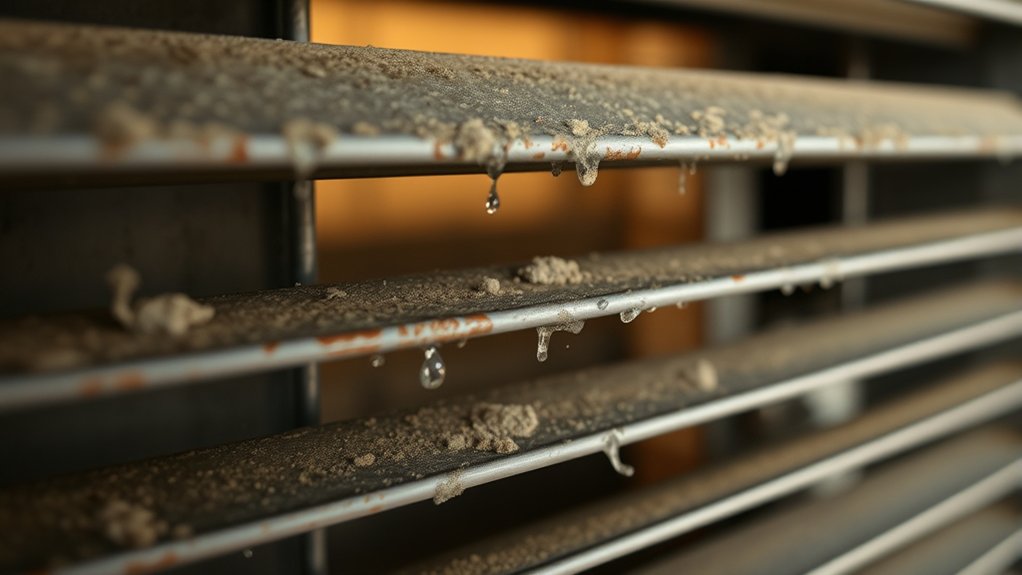
A dirty sock smell often means there’s mold and bacteria buildup on the evaporator coil. This usually happens because of clogged condensate lines or a dirty drain pan.
A burning smell points to overheating components or electrical faults. If you smell this, shut down the unit immediately and call a professional to inspect it—this is important to avoid hazards.
Musty odors typically come from excess moisture in the ducts, which promotes mold growth and can lower your air quality.
A trash smell might mean an animal has died inside the HVAC unit, so you’ll want to get that removed quickly.
Finally, a sour or stale smell usually means bacteria or fungi are present. Regular cleaning of the condensate drain pan and evaporator coils can help keep this under control.
Why Does My Air Conditioner Smell Like Dirty Socks?
If your air conditioner emits a dirty sock smell, it usually signals mold and bacteria buildup on the evaporator coil caused by trapped moisture and insufficient drainage.
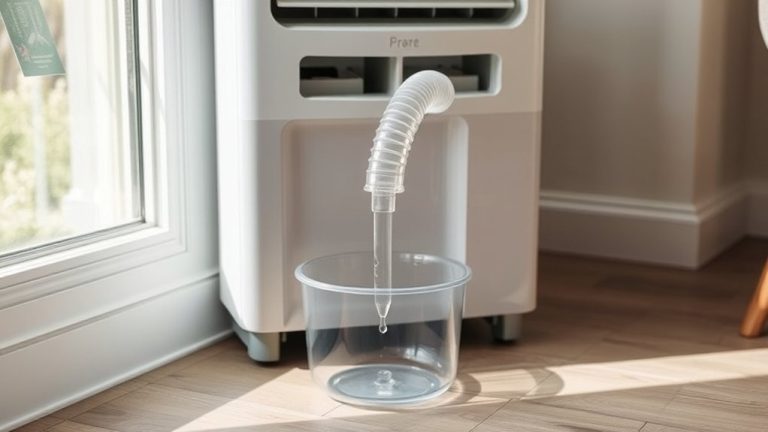
This odor often results from a clogged condensate line that prevents water from draining, allowing mold and mildew to thrive.
You should also inspect the drain pan, as dirt accumulation or damage can worsen mold growth.
Regularly cleaning or replacing air filters is essential because dirty filters restrict airflow, increasing moisture retention and promoting microbial growth.
To effectively address this issue, schedule annual maintenance focused on cleaning the evaporator coil, clearing the condensate line, and ensuring the drain pan functions properly.
These steps help eliminate the dirty sock smell and maintain your air conditioner’s efficiency and indoor air quality.
What Causes Burning Smells in Air Conditioners?
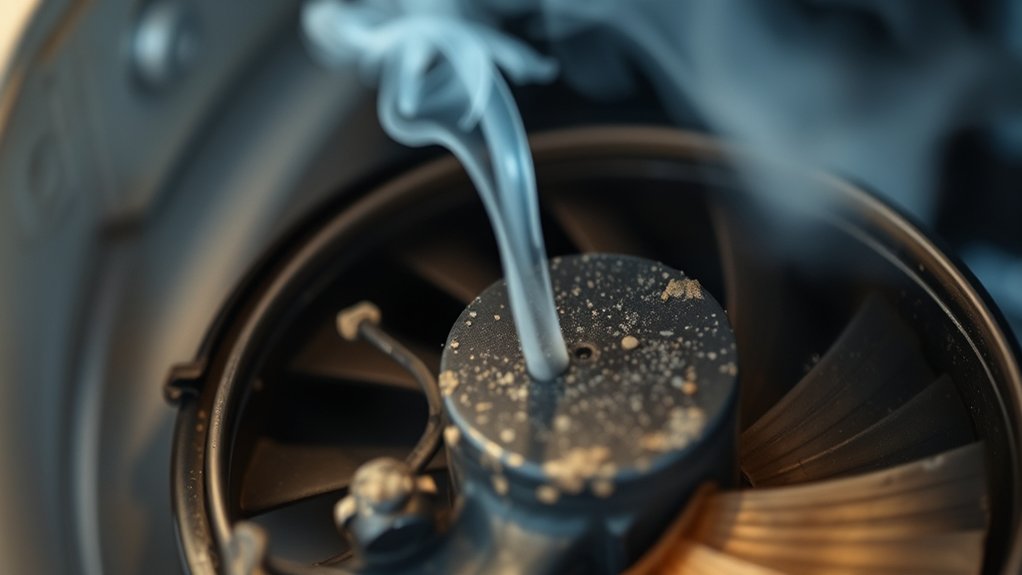
While a musty or moldy odor in your air conditioner often points to moisture-related issues, a burning smell signals a different set of problems that need immediate attention.
Burning smells usually mean that some components, like motors or electrical wiring, are overheating. It’s a good idea to check for signs of frayed wiring or damaged capacitors.
Burning smells often indicate overheating components like motors or wiring, so inspect for frayed wires or faulty capacitors.
These issues can cause electrical shorts and even fire hazards, so you don’t want to ignore them. Overheating might also happen if airflow is restricted, often because of dirty or clogged filters. This just shows how important regular maintenance really is.
If you notice a persistent burning odor, turn off your air conditioner right away to avoid damage.
Then, call a qualified HVAC technician to diagnose and fix the problem. This will help make sure your air conditioner runs safely and keeps you out of serious trouble.
How to Identify Mold and Musty Odors in Your AC
You can tell if there’s mold in your AC by noticing a distinct musty or even a dirty sock kind of smell. This usually happens because mold and bacteria build up on the evaporator coil.
That musty odor often comes from excess moisture hanging out in the ducts or a clogged drain pan, which creates the perfect environment for mold to grow.
If you catch these smells early, it helps you figure out where the problem is and stop any bigger air quality issues before they start.
Recognizing Mold Smells
Whenever your air conditioner emits a musty or damp odor, it signals moisture buildup that fosters mold growth inside the system. Mold smells often show up as musty odors or a distinctive dirty sock smell. This usually happens because mold and bacteria accumulate on the evaporator coil or drain pan.
Moisture buildup in ducts, especially from high humidity or poor drainage, makes these odors worse. To keep your indoor air quality good, you should regularly maintain your system. This includes cleaning or replacing air filters to help reduce mold growth.
If the mold smells stick around, it’s a good idea to get a professional inspection. They can find and fix the underlying problems.
Catching these odors early helps you avoid long-term exposure to bad air and keeps your AC running efficiently and safely.
Sources of Musty Odors
Since musty odors in your air conditioner usually signal mold or mildew growth, pinpointing their source is essential for effective remediation.
Musty smells often arise from excess moisture accumulating on evaporator coils or within the drain pan. A clogged condensate drain line can trap stagnant water, creating a breeding ground for mold or mildew.
Regular inspection of these components helps you identify blockages or moisture buildup early. Addressing these issues promptly prevents odor development and protects air quality.
Furthermore, maintaining proper humidity and ventilation in your home reduces moisture levels that contribute to mold growth.
Using washable or MERV 8 pleated filters also minimizes dust accumulation, which can make musty smells worse.
By targeting these sources, you guarantee your AC operates efficiently and stays odor-free.
It’s all about catching problems early and keeping things clean and dry.
Is a Dead Animal Causing That Rotten Smell in Your AC?
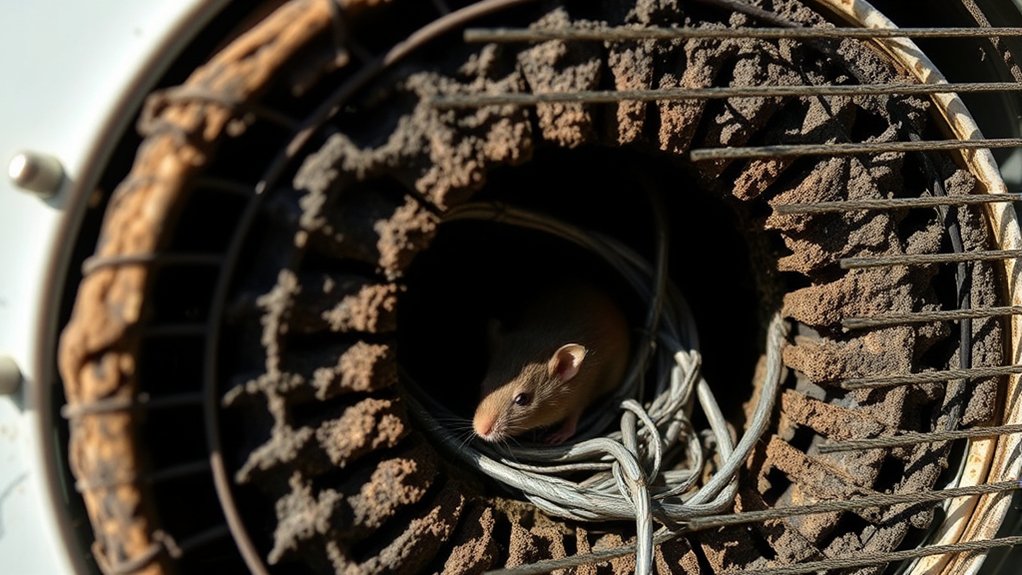
If you notice a persistent rotten smell coming from your AC, it might mean there’s a dead animal stuck somewhere in the ductwork or close to the unit.
Catching this smell early is really important because decomposing remains can lead to bacteria and mold growth, which can be harmful to your health.
It’s a good idea to call a professional technician who can find and safely remove the animal.
After that, they can also help seal any entry points to keep other critters from getting in again.
Identifying Rotten Smells
Detecting a rotten smell from your air conditioner often signals that a dead animal, commonly a rodent, has become trapped within the ductwork or HVAC unit. This decomposing animal emits strong, unpleasant odors, sometimes resembling rotten eggs. Your system then circulates these smells throughout your home.
To fix this, you need to inspect your system thoroughly. Focus on the ductwork and nearby components for any signs of animal remains.
These odors aren’t just annoying; they can pose health risks because of bacteria and pathogens linked to decomposition.
If you notice persistent foul smells, it’s really important to call professional HVAC technicians. They know how to find the source accurately, remove contaminants safely, and clean the affected areas.
This helps improve your air quality and prevents future infestations or the smell coming back.
Removing Animal Remains
When a dead animal causes that rotten smell in your AC, removing the remains promptly is essential to restore air quality and prevent further contamination.
You should investigate right away if you notice persistent odors that smell like decay. A dead animal in the ductwork or HVAC unit can harbor bacteria and parasites, which pose significant health risks.
Professional HVAC technicians know how to safely locate and remove animal remains. They also perform thorough cleaning and sanitization to get rid of odors and stop pests from being attracted to the area.
Regular maintenance is important too. It helps spot and seal potential entry points, cutting down the chances of future infestations.
How Exhaust or Chemical Smells Point to Fluid Leaks
Although you mightn’t immediately associate chemical or exhaust-like odors with your air conditioner, these smells often signal fluid leaks within the system. A refrigerant leak typically emits a sharp chemical odor, while motor oil leaks can produce exhaust fumes.
Both indicate fluid leaks that need immediate attention to prevent overheating components. This overheating can cause burning smells or even electrical hazards. If you detect these odors, shut down the unit and contact a professional HVAC technician to diagnose and repair the issue safely.
Regular inspections play an essential role in spotting early signs of leaks. This helps you avoid costly damage and keeps your system running efficiently.
Addressing fluid leaks promptly ensures your air conditioner runs safely and effectively without lingering chemical or exhaust odors.
How to Check Drain Pans, Coils, and Drain Lines for Odors
Inspect your air conditioner’s drain pan, coils, and drain lines regularly to prevent and identify sources of unpleasant odors. Check the drain pan for mold growth and debris. Stagnant water here causes musty smells.
Take a good look at the evaporator coils for frost or mold buildup. This is often linked to dirty filters that reduce airflow. Clearing the condensate drain line is important too, as clogs can back up water and produce foul odors.
Use a flashlight to spot moisture or mold in these areas on a regular basis. Staying on top of this helps keep your AC smelling fresh and running smoothly.
| Component | What to Check | Potential Odor Cause |
|---|---|---|
| Drain Pan | Mold, debris | Musty, bacterial smells |
| Evaporator Coils | Frost, mold, airflow | Sour, stale odors |
| Condensate Drain Line | Blockages, water backup | Foul, stagnant smells |
| Filters | Dirt accumulation | Reduced airflow, odors |
How Moisture and Humidity Cause Persistent AC Smells
Managing moisture in your air conditioning system goes beyond just checking drain pans, coils, and lines for visible signs of mold or blockages. Excess moisture and high humidity encourage mold growth and musty odors that degrade indoor air quality.
When humidity condenses within ductwork, it creates damp environments that are perfect for persistent smells. A clogged condensate drain line traps stagnant water, which only makes things worse by promoting foul odors and mold development.
Insufficient ventilation adds to the problem by holding in moisture, preventing proper drying, and making these issues even more intense.
To keep these problems under control, you need to stay on top of routine maintenance. This includes thorough inspections and cleaning of drain lines, coils, and ventilation pathways.
Addressing moisture and humidity proactively is key to preventing persistent AC smells and keeping your system running smoothly with healthy indoor air quality.
DIY Fixes to Get Rid of Bad Air Conditioner Smells
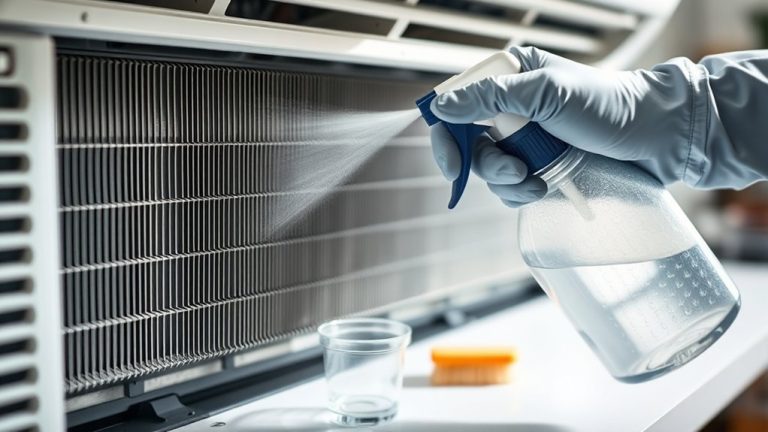
To get rid of bad smells coming from your air conditioner, a good first step is to clean the evaporator coils. Use a suitable cleaner to wash away any dirt and mold buildup that might be causing the odor.
Also, don’t forget about the air filters. Make sure to replace or clean them regularly because dirty filters can trap bacteria and unpleasant smells.
On top of that, improving your home’s ventilation really helps. Check your vents and clear any blockages to keep the airflow steady and stop stale air from hanging around.
Cleaning Evaporator Coils
Start by turning off the power to your air conditioning unit to guarantee safety before you clean the evaporator coils.
Cleaning evaporator coils is vital to eliminate the “dirty sock” smell caused by mold growth and accumulated dirt, common sources of air conditioning odors.
Use a coil cleaner or mild detergent with water to gently scrub the coils, avoiding electrical parts. This process improves air quality by removing contaminants that reduce airflow and efficiency.
Regular AC maintenance, including coil cleaning, prevents future odor problems and extends your system’s lifespan.
After cleaning, verify proper drainage to avoid moisture buildup, which promotes mold growth and recurring smells.
Consistent attention to evaporator coils is a technical yet essential step to maintain a fresh-smelling, efficient air conditioner.
Taking these steps regularly keeps your AC running smoothly and your home smelling fresh.
Improving Home Ventilation
Although cleaning your air conditioner’s components is essential, improving your home’s ventilation plays an equally important role in eliminating bad odors.
To improve home ventilation, make sure your air filters receive regular cleaning to maintain ideal airflow. Clogged filters trap dust and debris, which causes odors from your air.
Open windows and doors periodically to bring in fresh air and reduce humidity. This helps prevent musty smells from developing.
Also, use exhaust fans in moisture-prone areas like kitchens and bathrooms to expel excess moisture and contaminants.
Don’t forget to inspect and clear blockages in air ducts and vents to ensure unobstructed airflow. This minimizes stagnant air that contributes to odors.
Plus, running your air conditioner in fan mode helps circulate air and dries out moisture, which further reduces the risk of persistent bad smells.
Regular Filter Replacement
Replace your air conditioner’s filters regularly to prevent odor-causing buildup of dust, mold, and debris. When you replace your air filters every 1-3 months, or up to 6 months for high-efficiency types, you reduce the accumulation of dirt and debris that triggers musty odors and AC smells.
A clogged filter restricts airflow, increasing humidity inside the HVAC system, which promotes mold growth and stale smells. Regularly cleaning or replacing filters, especially using MERV 8 pleated filters, captures smaller particles and allergens more effectively, improving air quality.
Maintaining your filters not only eliminates bad odors but also helps improve the overall effectiveness of the HVAC system, reducing energy consumption.
Consistent filter replacement is a straightforward DIY fix to keep your air conditioner smelling fresh and functioning efficiently.
When and Why You Should Call a Professional for AC Odors
Whenever you notice persistent or strong odors like burning or gas smells coming from your air conditioner, you should call a professional immediately. This helps you avoid potential hazards such as electrical fires or gas leaks.
If you detect a foul smell coming from your AC, especially if you see visible signs of mold, it means there’s a serious problem. You’ll need professional help to safely remove the mold and prevent any health risks.
A foul smell or visible mold in your AC signals a serious issue needing professional mold removal to ensure safety.
Possible causes like refrigerant leaks, dead animals, or mildew require expert diagnosis and remediation. Trying to fix these issues yourself often means the underlying problems remain unresolved.
So, contact a professional to keep your air conditioning system running safely and efficiently.
Regular inspections by a technician can spot problems early, helping you maintain good air quality and extend your unit’s lifespan.
Frequently Asked Questions
Can Air Conditioner Smells Affect Indoor Air Quality and Health?
Yes, air conditioner smells can seriously affect indoor air quality and your health. Mold growth, bacteria buildup, and dirty ducts release harmful spores and allergens, worsening respiratory symptoms.
Refrigerant leaks introduce toxic chemicals, while humidity levels and insulation issues promote microbial growth. Ventilation problems trap these contaminants indoors, increasing exposure risks.
You should address these causes promptly to maintain clean air and prevent headaches, fatigue, or respiratory ailments linked to poor HVAC conditions.
It’s really important to keep your system clean and well-maintained to avoid these problems.
How Often Should I Schedule Professional AC Maintenance to Prevent Odors?
You should schedule professional AC maintenance at least once a year, ideally during seasonal checkups in spring.
Maintenance frequency like this guarantees system cleanliness, helps with timely filter replacement, and improves odor detection.
Following preventative tips during these visits allows technicians to address mold, blockages, or mechanical issues before odors develop.
Rely on technician expertise to maintain peak air quality and extend your system’s lifespan, preventing unpleasant smells effectively.
Do Different Air Conditioner Brands Have Unique Odor Issues?
Think of each air conditioner brand as a unique fingerprint that influences the types of odors you might face.
When you compare brands, you’ll see how their design and materials impact moisture buildup and mold growth.
Your maintenance habits and the environment around you also play big roles in this.
Plus, user experiences and product reviews often point out specific odor problems, which can help with troubleshooting.
By looking at all these factors, you’ll get why some brands might need special care to keep unpleasant smells at bay.
It’s all about finding the right upkeep to minimize those odors effectively.
Can Pets Cause Unusual Smells in Air Conditioning Systems?
Yes, pets can cause unusual smells in your air conditioning system. Pet fur and dander buildup act as primary odor sources, clogging filters and creating ventilation issues. This reduces system cleanliness and can trigger allergies.
Seasonal changes may worsen these effects as humidity and temperature fluctuate, promoting mold growth.
Regular cleaning and filter replacement help maintain airflow and minimize pet-related odors. This way, your HVAC system operates efficiently and your indoor air stays fresh.
Are Certain Air Filters Better at Reducing AC Smells?
Think of filter types as your AC’s nose guard, blocking unwanted odors before they enter your space. Filters with higher MERV ratings capture smaller particles, boosting odor reduction.
Carbon filters and HEPA filters excel at trapping smell-causing pollutants. Antimicrobial options prevent mold growth, which helps keep things fresh.
You’ll need consistent filter maintenance, replacing or cleaning every 1-3 months. That way, your system stays smelling clean and runs efficiently.
Conclusion
If your air conditioner’s smells start to sabotage your space, swiftly spot the source, whether it’s mold, moisture, or malfunction. Regularly reviewing and rinsing drain pans, coils, and lines prevents persistent, pungent problems.
Don’t dismiss dangerous burning odors or dreadful dead animal scents. These demand decisive, deliberate diagnosis. While DIY details can diminish displeasing odors, sometimes calling a competent contractor is essential.
They can help curb chronic concerns and keep your cooling system clean, clear, and consistently comfortable.