10 Factors That Affect How Much to Repair an Air Conditioner
Several factors affect how much you’ll pay to repair your air conditioner. Your system’s age and condition can drive costs up, especially if parts are scarce or the model is discontinued. The AC unit type and where it’s installed also impact labor fees.
Brand-specific and OEM parts usually cost more, and emergency service adds extra charges. Problem severity and installation issues increase expenses, while frequent breakdowns might mean it’s time to contemplate a replacement.
Understanding these elements will help you make informed decisions. It’s good to know what’s behind the price so you’re not caught off guard when repair time comes around.
How System Age and Condition Affect AC Repair Costs
Because older air conditioning systems suffer from component wear and discontinued parts, you’ll often face higher repair costs.
As system age increases, replacement parts for older systems become harder to source, driving up expenses. Component wear leads to more frequent breakdowns, which can add up over time.
Discontinued models especially complicate repairs, requiring specialized components that may inflate repair costs further.
Professional assessments usually check whether ongoing repairs make financial sense or if upgrading offers better long-term value.
Newer systems benefit from readily available parts and simpler repairs, which helps keep service expenses lower.
When you consider your unit’s age and condition, it’s smart to weigh repair costs against the option of replacement to optimize both efficiency and budget.
Understanding these factors helps you make informed decisions about maintaining or upgrading your AC system.
How AC Unit Type Influences Repair Prices
When considering repair costs, the type of AC unit you have plays a big role alongside its age and condition. Different system types affect repair costs because parts availability, labor costs, and complexity can vary quite a bit.
For example, ductless mini-split systems often need full component replacements. This usually means higher expenses compared to central air systems, where you can often just fix individual parts.
Complex issues like refrigerant leaks in packaged units require specialized skills. That naturally bumps up labor costs. Also, how easy it is to access the unit impacts labor time and costs no matter what type of system you have.
| AC Unit Type | Impact on Repair Costs |
|---|---|
| Central Air Systems | Easier parts availability, lower costs |
| Ductless Mini-Splits | Often need full replacements, higher costs |
| Packaged Units | Complex issues, higher labor costs |
How Parts Availability and Brand Affect Repair Costs
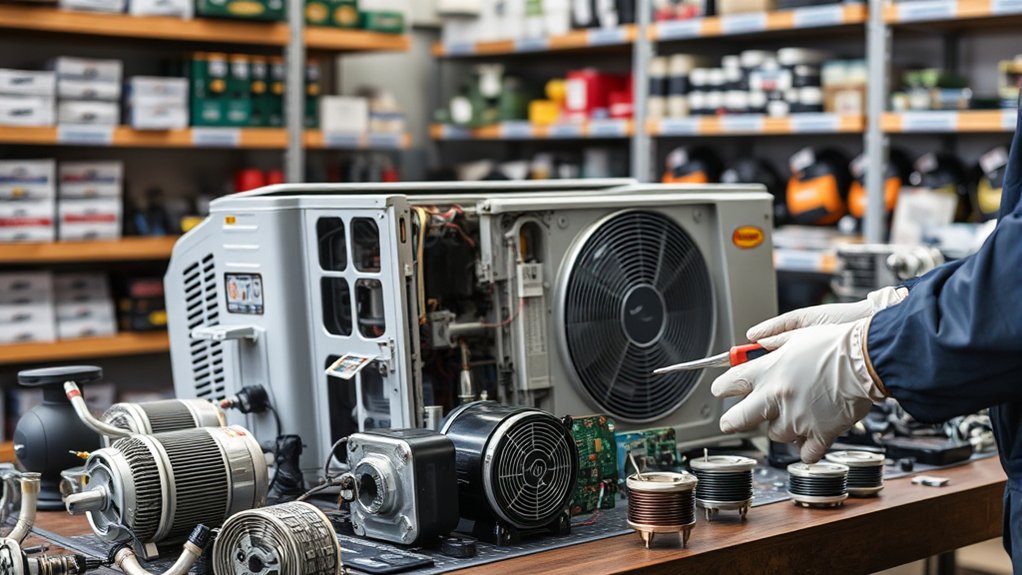
You’ll notice that brand-specific parts often come with a higher price tag because there are fewer suppliers and the brand itself adds a premium.
Plus, when parts are tough to find, technicians might run into delays. That means more labor time, which can really bump up your repair costs.
Brand-Specific Part Pricing
Although brand-specific parts often come with higher price tags, their availability and design intricacies play an essential role in determining repair costs. When you choose OEM parts, expect higher pricing due to proprietary designs and limited production runs, especially for less common brands.
Aftermarket alternatives may reduce expenses but can vary in quality and compatibility. The complexity of sourcing brand-specific parts also impacts repair costs, as technicians may spend additional time locating and installing these components.
Brands with extensive parts inventories streamline repairs, lowering labor and part costs. On the other hand, discontinued or rare models increase pricing because of scarcity.
Ultimately, understanding how brand-specific parts influence repair costs helps you make informed decisions about balancing quality, availability, and expense when servicing your air conditioner.
Part Sourcing Challenges
Since parts availability directly influences repair timelines and costs, understanding sourcing challenges is essential for managing your air conditioner repairs effectively.
Part sourcing challenges come from the limited availability of brand-specific parts and the complexity of the part needed. These issues often lead to expensive repairs, especially when components are discontinued or emergency repairs are needed.
Consider these key points:
- Brand-specific parts can be scarce and costly, particularly for older or uncommon models.
- Complex parts demand more labor, which increases repair costs compared to simpler replacements.
- Emergency repairs that require expedited shipping for hard-to-find parts add significant expenses.
Knowing about these factors helps you anticipate repair costs and avoid unexpected delays caused by sourcing difficulties.
It’s always good to be prepared!
How Access and Installation Location Impact Labor Fees
When technicians encounter air conditioning units installed in cramped or hard-to-reach spaces, such as attics or tight mechanical rooms, labor fees tend to increase due to the extra time and specialized tools required.
Limited access complicates repairs, often requiring disassembly or additional personnel, which drives up labor costs. Technicians must navigate these constraints carefully, impacting overall efficiency and repair duration.
On the other hand, units placed in accessible locations reduce labor time and complexity, lowering costs. Proper installation planning that prioritizes ease of access allows technicians to complete repairs faster and with fewer complications.
During initial evaluations, technicians assess installation site conditions to provide accurate cost estimates that reflect access challenges.
How Emergency Service Charges Increase Repair Costs
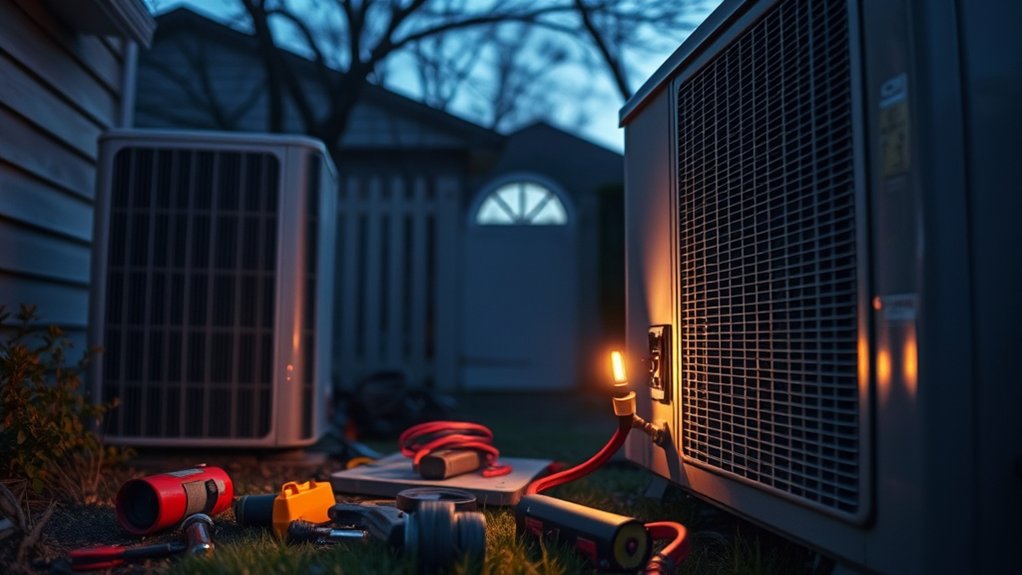
When you call for emergency air conditioner repairs, be ready for after-hours service fees that can tack on an extra $100 to $200 beyond the usual charges.
It’s pretty common for prices to jump up because technicians are harder to come by when you need them most.
Plus, during extreme weather, everyone’s looking for help at the same time.
So, the high demand combined with limited availability really drives up the total repair cost.
It’s just the way things go when you need urgent service.
After-Hours Service Fees
Although you might need urgent air conditioner repairs outside regular business hours, be prepared for emergency service fees that can increase your costs by 50% or more.
After-hours service typically involves higher labor rates for HVAC technicians working nights, weekends, or holidays. This can really impact the overall repair pricing.
On top of that, you might face extra costs for expedited parts shipping, especially if specialized components are needed. Knowing about these factors ahead of time helps you plan and manage repair expenses better.
Key points to keep in mind with after-hours service fees:
- Emergency service fees add a substantial surcharge to standard repair costs.
- Labor rates increase because technicians are working off-hours.
- Additional costs may come from expedited parts shipping for urgent service.
All these things together can bump up your total repair expenses when you schedule after-hours AC repairs.
Urgency Impact On Pricing
Scheduling air conditioner repairs on short notice can really jack up your costs because of emergency service charges.
When you need emergency service calls, technicians often charge higher labor rates, usually 1.5 to 2 times the normal rate. This is especially true for after-hours, weekends, or holidays.
There might also be flat surcharges ranging from $50 to $150, depending on how quickly you want the service.
On top of that, urgency can boost repair costs since parts ordering and service delivery get expedited.
During peak seasons, prices go even higher because of high demand. This means fewer technicians are available, and you might’ve to wait longer.
Compared to routine maintenance scheduled during off-peak times, urgent repairs usually cost a premium.
Knowing these things helps you get why urgency affects the overall repair costs. It’s good to plan ahead when you can.
Technician Availability Premium
Because emergency service calls demand immediate attention, technicians often charge premium labor rates that can be 1.5 to 2 times higher than their standard fees.
Limited technician availability during peak HVAC service seasons means urgent calls take priority, which can further increase repair costs. After-hours or weekend service requests usually add fees ranging from $100 to $300. This reflects both the urgency and the scarcity of available technicians.
When you think about emergency service repair costs, keep a few things in mind. Technician availability drops during high-demand periods, which raises those premiums.
Emergency service requests also take priority over scheduled maintenance, affecting your overall expenses.
And those premium labor rates? They help cover the immediate response and the quick mobilization of technicians.
Knowing these factors can help you decide how urgent your AC issue really is, and whether the emergency service charges are worth it.
Why Diagnostic Fees Matter for Repair Quotes
How do diagnostic fees influence the accuracy and cost of your air conditioner repair? Diagnostic fees, typically around $39, cover the essential evaluation HVAC technicians provide during a service call. This process tests power, control signals, and airflow to pinpoint issues accurately.
Diagnostic fees, usually about $39, cover essential HVAC evaluations to accurately identify air conditioner issues.
It helps prevent unnecessary part replacements and reduces overall repair costs. Many companies apply diagnostic fees toward your total repair cost if you decide to proceed. This ensures transparency and value.
Clear answers about these fees help you distinguish necessary repairs from potential upselling tactics. On the other hand, vague or inflated diagnostic charges may signal a lack of transparency and higher repair costs.
To avoid surprises, always ask for a written estimate detailing diagnostic fees and repairs. Understanding these fees is critical for managing repair costs and making informed decisions.
How Problem Severity and Complexity Affect Repair Costs
Understanding diagnostic fees helps set expectations for repair costs, but the nature of the problem itself plays a major role in determining the final price. The problem severity directly influences expenses.
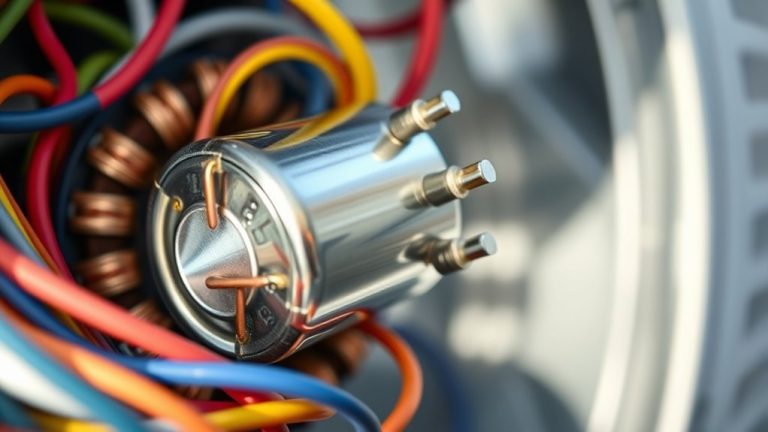
Minor faults like capacitor failures cost less, while refrigerant leaks or multiple failures in older HVAC systems drive up costs.
Complex repairs increase diagnostic time and labor, raising your bill accordingly. Emergency repairs outside regular hours add premium charges because of the urgency.
Consider these factors affecting repair costs:
- Severity of the issue, from minor to expensive problems
- Complexity that demands extended diagnostic time and specialized skills
- Emergency repairs that escalate prices based on timing and difficulty
How Poor Airflow and Installation Cause More Repairs
You’ll end up dealing with more repairs when poor airflow limits your system’s efficiency. This usually happens because of dirty filters, blocked ducts, or leaky connections.
On top of that, installation mistakes can make these problems even worse, causing things like compressor failures and uneven cooling.
The good news is that if you catch and fix airflow and installation issues early, you can cut down on how often you need repairs—and save money in the long run.
It’s definitely worth paying attention to these details to keep your system running smoothly.
Airflow Restrictions Impact
When poor airflow results from dirty filters, clogged ducts, or blocked vents, your air conditioner has to work harder. This increases wear and the likelihood of repairs.
Airflow restrictions reduce system efficiency and can even lead to compressor failure, which is a costly repair.
Regular maintenance is essential to prevent these issues and lower repair costs. If you neglect preventive care, dirt and debris will accumulate, restricting airflow further and stressing components.
It’s really worth staying on top of it to avoid bigger problems down the road.
Key impacts of airflow restrictions include:
- Increased energy consumption due to reduced system efficiency
- Accelerated compressor wear, raising the risk of failure
- Higher repair costs from addressing damage caused by poor airflow
Installation Flaws Effects
If poor installation causes airflow problems, your air conditioner will have to work harder. This leads to more frequent repairs due to overheating and mechanical strain.
Installation flaws like blocked or leaky ducts can reduce system efficiency by up to 30%. That means higher energy use and increased repair costs. Incorrectly sized units cause short cycling, which speeds up component wear and results in recurring issues.
Systems placed in cramped areas suffer from limited airflow and harder access for regular maintenance. This only adds to mechanical strain and drives up repair expenses.
While routine maintenance can help ease some effects of installation flaws, it won’t fix the root problems.
So, addressing installation quality from the start is essential. It helps minimize repair costs and keeps your system efficient over time.
Ignoring these factors will likely lead to more frequent, costly repairs and a shorter equipment lifespan.
How to Decide When to Replace Your AC
How do you know when it’s smarter to replace your air conditioner instead of repairing it? If your HVAC system is over 10-15 years old and repair costs exceed 50% of its value, replacement becomes a practical choice.
Frequent breakdowns often signal ongoing issues that escalate expenses and downtime.
Think about replacing your AC when you face multiple costly repairs within a single season. Also, if obsolete parts make servicing difficult and expensive, it might be time to switch.
Consider replacing your AC if multiple costly repairs or obsolete parts make maintenance too difficult or expensive.
And if your energy bills spike because the system is less efficient, upgrading to a high-efficiency model can be more cost-effective.
Switching to a new, energy-efficient system not only lowers your utility costs but also guarantees more reliability.
It’s usually best to prioritize replacement over repair when the total expenses and inefficiency outweigh the benefits of fixing your current unit.
How Regular Maintenance Can Lower Your AC Repair Bills
Although routine maintenance requires time and effort, it greatly reduces your AC repair bills by identifying minor issues before they escalate.
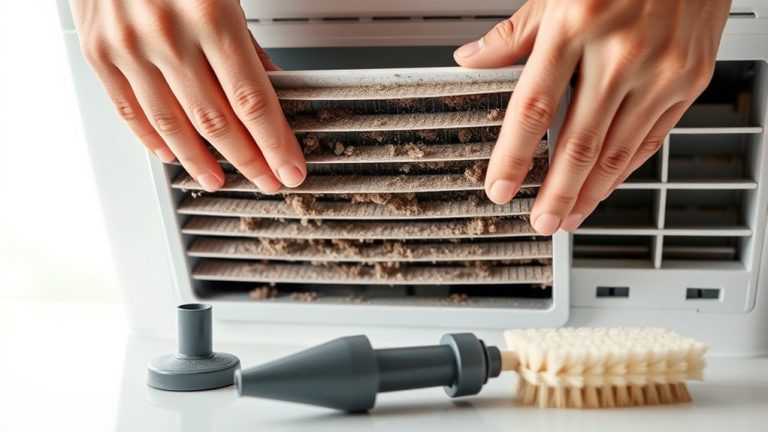
Regular maintenance, including seasonal tune-ups, catches worn components early, allowing preventive maintenance that avoids costly system failures. Cleaning coils and replacing dirty air filters during these checks improve system efficiency, reducing strain on your unit and lowering AC repair costs.
By addressing minor issues promptly, you prevent expensive breakdowns and extend the life of your air conditioner, delaying replacements.
Establishing maintenance agreements can further reduce expenses by providing discounts on repairs and guaranteeing consistent upkeep.
Prioritizing preventive maintenance guarantees your system operates effectively and minimizes unexpected repair bills, offering long-term savings and enhanced reliability.
Frequently Asked Questions
How Does Climate Affect Air Conditioner Repair Frequency?
You’ll find climate considerably affects air conditioner repair frequency because humidity levels and temperature extremes increase system strain and wear.
High dust accumulation clogs components, while intense usage patterns demand more frequent maintenance.
Regional regulations might influence repair standards, and system age compounds these issues, making older units prone to failure.
Can Warranty Coverage Reduce AC Repair Costs?
Imagine a knight’s armor. Warranty coverage can shield you from hefty AC repair costs. However, you need to navigate warranty limitations and coverage specifics carefully.
Repair exclusions might leave you paying out-of-pocket. Always use authorized technicians and follow claim processes precisely.
Maintenance requirements are essential because neglect can void your coverage.
Also, check if your warranty offers transferability options when selling your home.
Staying informed helps you maximize savings and avoid unexpected expenses.
What Role Do Refrigerant Types Play in Repair Expenses?
Refrigerant types directly affect your repair costs because of system compatibility and maintenance needs.
Older refrigerants like R-22 are both costly and hard to find, which drives up repair expenses. On the other hand, newer types like R-410A offer a good balance between performance efficiency and environmental impact.
Leak detection and refrigerant recovery can get more complicated with certain refrigerants. This complexity often means higher labor costs.
So, the type of refrigerant in your system really matters.
Choosing the right refrigerant helps ensure better system efficiency. But keep in mind, it might require specialized handling. That can influence your overall repair and upkeep expenses.
How Do Energy Efficiency Ratings Impact Repair Decisions?
Energy efficiency ratings directly influence your repair costs and decisions. Higher energy efficiency often means complex parts, which can increase repair expenses but also offer long-term savings on energy bills.
You’ll likely face less frequent maintenance, but the upfront repair costs may be higher.
On the other hand, lower efficiency units might need more frequent repairs. This can shorten the system’s lifespan and might push you toward replacement options sooner than you’d like.
As a homeowner, it’s important to balance repair costs against long-term savings and how long the system will last. That way, you can make the best choice for your situation.
Are There Seasonal Promotions That Lower Repair Prices?
Yes, seasonal discounts often lower repair prices, especially during spring and fall maintenance schedules.
You can find local promotions and holiday deals that offer significant savings on repair service packages. Loyalty programs also reward repeat customers with reduced rates.
While DIY repair options might save money upfront, professional seasonal discounts guarantee reliable fixes.
To maximize savings, monitor these offers and schedule repairs during off-peak seasons when demand drives prices down.
Conclusion
When your AC acts up, think of it as a complex puzzle where age, type, and location all piece together repair costs. Don’t let emergency fees or hard-to-find parts blow up your budget. Regular maintenance is your shield, preventing small issues from snowballing.
Weigh repair severity against replacement wisely. Sometimes investing in a new system cools expenses long-term. Stay informed, act promptly, and keep your unit running efficiently without breaking the bank.