Do You Have to Drain a Portable Air Conditioner?
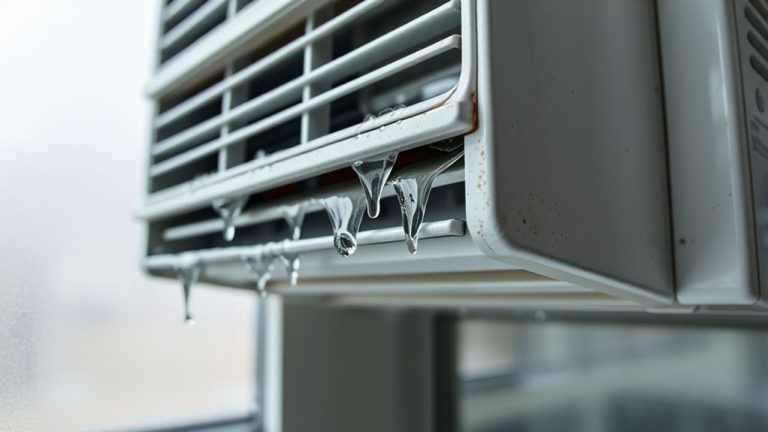
Yes, you’ll need to drain a portable air conditioner regularly because it extracts moisture from the air, causing condensation to collect inside. If you don’t drain it, you could end up with overflow, mold growth, and even damage to your unit.
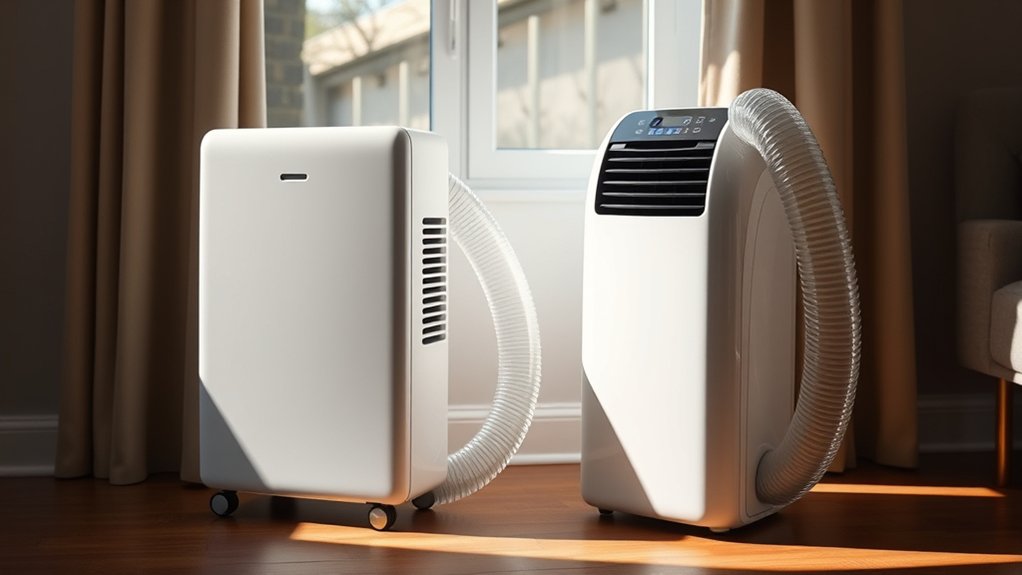
How often you drain it depends on the humidity levels around you. When it’s more humid, you’ll need to empty it more often. Some units make life easier by offering automatic drainage, so you don’t have to think about it as much. Others require you to manually empty a bucket.
Getting your setup right and keeping up with maintenance can also help reduce how often you need to drain. Once you understand these factors, it’s easier to keep your portable air conditioner running smoothly and efficiently.
How Portable Air Conditioners Manage Condensation
Although portable air conditioners cool your space by extracting moisture from the air, they’ve to manage the resulting condensation properly to work well. When the unit cools air, moisture turns into water and collects inside.
You’ll often find a removable bucket made to catch this condensation, so you’ll need to drain it manually once it’s full. Some advanced models come with self-evaporating systems that reduce or even eliminate the need to drain by vaporizing the collected water.
Proper placement is important. Keep the unit level and make sure the exhaust hose is clear to ensure effective condensation management.
Keep your unit level and exhaust hose clear for optimal condensation control.
In high humidity, water builds up faster, so you’ll want to keep an eye on it.
Also, some units let you set up automatic drainage with continuous drainage hoses, which makes dealing with moisture a lot easier since you won’t have to drain it manually so often.
When and Why Do You Need to Drain a Portable AC?
You need to drain your portable AC depending on how humid it’s where you’re using it. If the air is really moist, you’ll have to drain it more often.
If you don’t, water can overflow, which might lead to mold growing and even damage the parts inside your unit.
Drainage Frequency Factors
Since humidity levels directly influence condensation, the frequency of draining a portable air conditioner varies accordingly. Higher humidity requires more frequent drainage, sometimes daily. Dry climates reduce this need.
Many portable AC units include alarms that notify you when draining is necessary, ensuring peak operation. Some models feature self-evaporating technology. But periodic checks remain essential, especially in humid environments.
Monitoring water accumulation prevents mold growth and damage.
| Humidity Level | Drainage Frequency |
|---|---|
| High (humid) | Daily to every few days |
| Moderate | Weekly to biweekly |
| Low (dry) | Every few months |
Understanding these drainage frequency factors helps you maintain your portable AC units efficiently.
Consequences Of Neglect
When condensation builds up inside a portable air conditioner without proper drainage, stagnant water creates an environment ripe for mold growth and unpleasant odors.
If you neglect to have your unit drained regularly, this moisture accumulation can overflow, damaging internal components and leading to costly repairs.
In high humidity environments, failing to drain the unit every few days may reduce cooling efficiency and increase room humidity.
Excess moisture also compromises air quality, potentially triggering alarms or automatic shutdowns in some models.
To maintain peak performance and avoid these issues, you need to guarantee the portable AC is drained frequently according to usage and environmental conditions.
Regular drainage prevents mold, protects the unit, and sustains effective cooling, making it an essential maintenance task you shouldn’t overlook.
Manual vs. Automatic Drainage: Which Is Better?
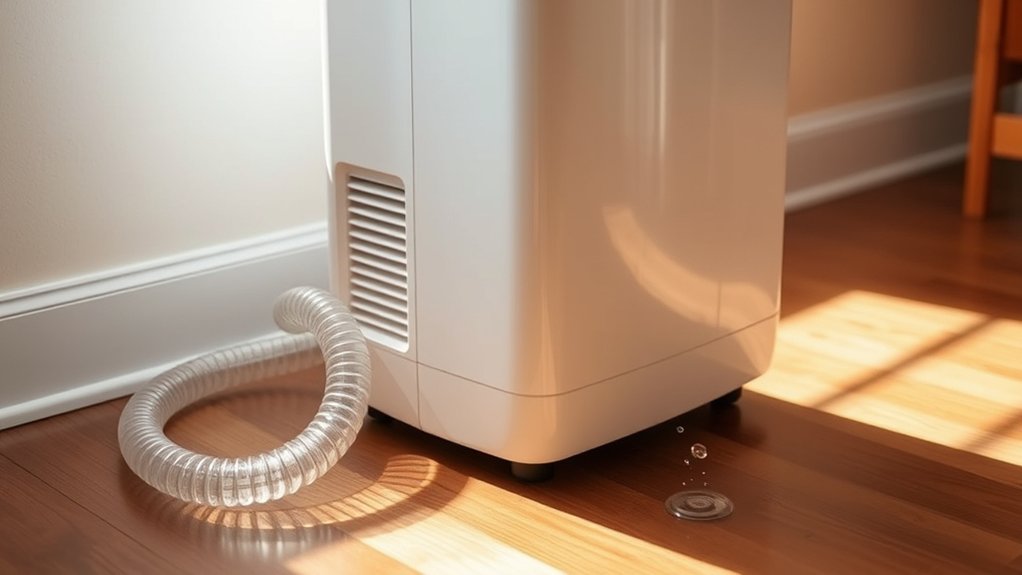
How does the choice between manual and automatic drainage impact the maintenance of a portable air conditioner? Manual drainage requires frequent water tank checks and emptying, which means more maintenance work and a higher risk of overflow.
On the other hand, automatic drainage reduces the need for user intervention. This makes things a lot more convenient and helps improve air quality by preventing stagnant water buildup.
| Feature | Manual Drainage | Automatic Drainage |
|---|---|---|
| Maintenance Frequency | High – frequent emptying | Low – self-evaporating or continuous drain |
| User Intervention | Required | Minimal to none |
| Overflow Risk | Possible due to user error | Low due to automated control |
| Ideal Conditions | Low humidity or occasional use | High humidity or continuous use |
Manual drainage is more cost-effective but takes more effort. Automatic drainage, meanwhile, offers greater convenience and reliability.
How Humidity Levels Affect Portable AC Drainage Frequency
Choosing between manual and automatic drainage methods sets the stage for understanding how environmental factors influence your portable air conditioner’s maintenance needs.
Humidity levels directly affect how often you’ll need to drain the unit.
In high humidity environments, condensation accumulates rapidly. This often means you’ll need to drain daily or every few days to prevent overflow and keep your AC running efficiently.
On the other hand, in dry conditions, condensation forms slowly, so drainage might only be necessary every few months.
Some portable ACs come with built-in alarms that go off when water builds up. These alerts help you know when humidity is high and drainage is needed more frequently.
Keeping an eye on humidity levels helps you anticipate how often you’ll need to drain, so you can perform timely maintenance. That way, your portable air conditioner will run smoothly without any unexpected interruptions.
How to Drain Your Portable Air Conditioner
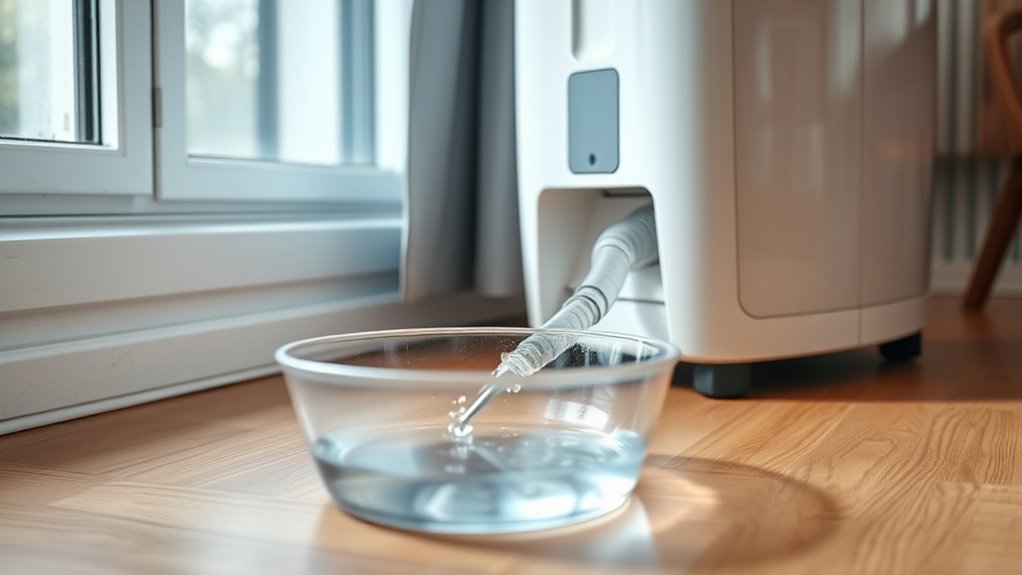
To drain your portable air conditioner manually, start by turning off the unit.
Then, take out the collection tank and empty the water into a designated container, making sure to follow the manufacturer’s instructions.
Some models actually come with automatic drainage systems or self-evaporating technology, which means you mightn’t need to drain them manually as often, or even at all.
Also, if you want to make things easier, you can connect a continuous drainage hose.
This lets the water flow outside or into a drain, so you don’t have to worry about frequent maintenance.
Manual Draining Steps
Before you start draining your portable air conditioner, make sure the unit is turned off and unplugged to guarantee safety.
Follow these manual draining steps to efficiently remove accumulated water:
Locate the drain plug or removable collection tank, usually positioned at the bottom or back of the unit.
Place a container beneath the drain plug to catch the water and avoid spills.
Carefully remove the drain plug or detach the tank, allowing water to flow into the container.
Once emptied, securely replace the drain plug or reattach the tank to maintain the unit’s integrity.
It’s a good idea to perform these manual draining steps regularly during high humidity. This helps prevent overflow and keeps your air conditioner running at its best.
Automatic Drainage Options
Although manual draining is effective, many modern portable air conditioners come with automatic drainage options that make moisture removal easier. These systems often use self-evaporating technology to push moisture out through the exhaust hose. This means you don’t have to drain water manually as often.
Some units have a continuous drainage option. You can connect a hose to drain water directly outside or into a sink, which cuts down on maintenance time. Plus, built-in pumps might allow for vertical or horizontal drainage, giving you more flexibility when setting up your unit.
That said, if you’re in a very humid environment, water can still build up, so it’s important to keep an eye on the collection tank.
To get the best performance from your automatic drainage system, make sure to clean the filters regularly and check the drainage setup. Keeping things in good shape helps your portable air conditioner run efficiently and avoids any water-related problems.
Setting Up Continuous Drainage for Convenience
When you want to minimize maintenance during humid conditions, setting up continuous drainage for your portable air conditioner provides an effective solution. Continuous drainage allows excess condensation to flow out automatically, so you don’t have to worry about emptying it manually.
To set this up, just connect a drain hose from your unit to a nearby floor drain or container. Be sure to follow the manufacturer’s guidelines. Many models even have a built-in pump that helps with vertical drainage, making it easier for water to flow away from the AC.
To guarantee efficient continuous drainage, position the drainage hose without kinks or bends to prevent clogs. Use a suitable drain point like a floor drain or reservoir, and check that it’s compatible with your unit’s drainage pump, if it has one.
Also, it’s a good idea to regularly inspect the system for leaks or blockages. Proper setup like this means your AC can run smoothly without interruptions and saves you from extra maintenance.
Tips to Prevent Overflow and Leaks in Portable AC Units
You’ll want to regularly check your portable AC’s water collection tank to keep it from overflowing, especially when the humidity is high.
It’s a simple step that can save you from a messy situation.
Also, make sure the exhaust hose is clear and properly positioned. This helps the unit remove moisture efficiently and prevents any leaks.
Taking good care of these parts not only keeps your AC running smoothly but also helps avoid water damage in your space.
Regular Water Tank Checks
How often should you check the water tank in your portable air conditioner? You should regularly check the water tank to prevent overflow and keep your unit running efficiently, especially when it’s humid.
Newer models with self-evaporating features might mean you don’t have to check as often. But if you have an older unit, you’ll probably need to drain it manually to avoid leaks.
To manage your unit well, keep an eye on humidity levels. This helps you figure out how often to drain the tank.
Always turn off the AC before emptying the tank to avoid spills. Use a container that’s suitable for catching the drained water.
And don’t forget to keep the tank clean and free from debris. This helps prevent clogs and keeps everything working smoothly.
Proper Hose Maintenance
Maintaining the exhaust and drainage hoses properly plays a vital role in preventing overflow and leaks in your portable air conditioner. First, verify the exhaust hose is securely attached to avoid leaks and maintain peak airflow, as loose connections can cause condensation buildup.
Regularly inspect the exhaust hose for kinks, clogs, or damage. Blockages hinder moisture expulsion and increase the risk of overflow.
When using continuous drainage, position the drain hose so gravity helps water flow smoothly away from the unit.
Clean both hoses periodically to prevent mold and mildew, which can degrade air quality and cause odors.
Also, keep an eye on the entire drainage system, especially in high humidity, to make sure your unit manages condensation efficiently without needing manual drainage.
Proper hose maintenance guarantees reliable performance and helps you avoid water damage. It’s a simple step that makes a big difference in keeping your air conditioner running smoothly.
Maintaining Your Portable AC to Minimize Drainage Needs
Although portable air conditioners are designed to manage moisture effectively, regular upkeep plays an essential role in minimizing drainage requirements.
Maintaining your portable AC to minimize drainage needs involves proactive measures that optimize performance and reduce manual draining frequency.
Portable ACs function best when you guarantee proper maintenance routines. To maintain your portable AC and reduce drainage demands, you should regularly clean the air filter to improve airflow and lessen moisture buildup.
Also, monitor ambient humidity levels to anticipate condensation increases.
Make sure to position the unit on a level surface with sufficient clearance for airflow.
And when available, use self-evaporating features or continuous drainage systems.
Implementing these steps enhances your portable AC’s efficiency, prolongs its lifespan, and minimizes the hassle of frequent drainage.
It really makes a difference in keeping your unit running smoothly without extra work.
Troubleshooting Common Portable AC Drainage Issues
Why does your portable AC sometimes leak water or beep unexpectedly? These symptoms often point to drainage issues caused by a full or clogged water tank. If you don’t drain your unit regularly, especially in humid conditions, condensation can build up pretty fast.
Leaking water or unexpected beeps often signal a full or clogged portable AC water tank.
Even models with self-evaporating technology still need monitoring to avoid overflow. To troubleshoot, start by checking and cleaning the drainage hose and connections. This helps clear out blockages that cause backups and leaks.
If you notice water pooling around your unit or hear beeping sounds, the tank probably needs draining. If the problem keeps happening, it’s a good idea to check your manufacturer’s guidelines or reach out to customer support for help that’s specific to your model.
Keeping your portable AC properly drained not only ensures efficient cooling but also prevents damage from water buildup. So, don’t overlook this easy maintenance step!
Pick a Portable AC That Makes Draining Easy
How can you simplify the often tedious task of draining your portable air conditioner? Choosing the right portable AC model is essential.
Opt for units with self-evaporating features that automatically expel moisture, minimizing manual draining. Continuous drainage options let you attach a hose for direct water disposal, which is perfect in humid settings.
Larger built-in water tanks reduce how often you need to empty the tank, making things more convenient. Plus, drainage alarms alert you when the tank is full, so you won’t have to worry about overflow and efficiency drops.
When selecting your unit, check out user feedback that focuses on how easy it’s to drain and maintain.
Consider these features for easy draining:
- Self-evaporating system to reduce water buildup
- Continuous drainage hose connection
- Large internal water reservoir
- Drainage full alert system
These choices make maintaining your portable AC straightforward and efficient.
Frequently Asked Questions
Can I Use Portable AC Water for Plants?
You can use portable AC water for plants, but it’s not ideal without treatment. This condensate may contain impurities that could harm your plants rather than provide plant benefits.
To maximize safety, filter or treat the water to remove contaminants, and consider diluting it with clean water.
Regularly monitor water quality and pH to avoid damaging your plants. Proper management guarantees you gain plant benefits while minimizing risks.
Just keep an eye on things, and your plants should be just fine!
Does Draining Affect the Energy Efficiency of a Portable AC?
Yes, draining your portable AC directly impacts its energy consumption. When excess water accumulates, airflow gets restricted, forcing the compressor to work harder and consume more energy.
By regularly draining the unit, you maintain ideal moisture levels, which helps with consistent temperature control and efficient operation. This reduces unnecessary energy use, helping your AC run smoothly and lower overall energy consumption.
Proper drainage is essential for maximizing your portable AC’s energy efficiency. It’s a simple step that really makes a difference in how well your unit performs.
How Loud Is the Draining Process on Most Portable ACS?
You’ll find the noise levels during the draining process of most portable ACs range between 30 to 45 decibels, about as loud as a soft whisper or light rain.
This minimal sound barely disrupts your environment.
Some units might emit a faint gurgling as water drains, but advanced self-evaporating models operate silently.
Are There Health Risks From Not Draining a Portable AC?
Yes, ignoring drainage in your portable AC poses significant health implications.
Stagnant water inside the unit fosters mold, bacteria, and allergens, which degrade indoor air quality. These contaminants can trigger respiratory problems, headaches, and fatigue.
They can also worsen allergies, especially if you have pre-existing conditions.
Regularly draining your unit prevents microbial growth and avoids unpleasant odors. It also protects your living environment, helping you maintain both comfort and health.
Can Portable AC Drainage Water Be Safely Disposed of Down a Sink?
Yes, you can safely dispose of portable AC drainage water down a sink. Since this condensate is mostly distilled water, it doesn’t harm plumbing systems.
When you use drainage methods like a drain hose or manual emptying, directing the water to a sink helps keep it flowing and prevents overflow.
Just make sure to check if there are any additives in the tank that mightn’t be safe for the sink.
Also, it’s a good idea to look into your local regulations to ensure you’re disposing of the water properly and following any guidelines.
Conclusion
Draining your portable air conditioner isn’t just a chore. It’s actually crucial for keeping it running at its best. Think of it like a river that needs to flow freely to avoid flooding. Your unit’s drainage system helps keep moisture under control and stops leaks and damage.
Knowing when and how to drain your AC depends on things like humidity and the features of your model. This helps make sure it works efficiently and lasts longer.
If you stay on top of maintenance, your portable AC will cool your space smoothly. Plus, you won’t have to deal with the hassle of unexpected water buildup.