3 Key Factors That Affect How Much an Air Conditioner Compressor Does Cost
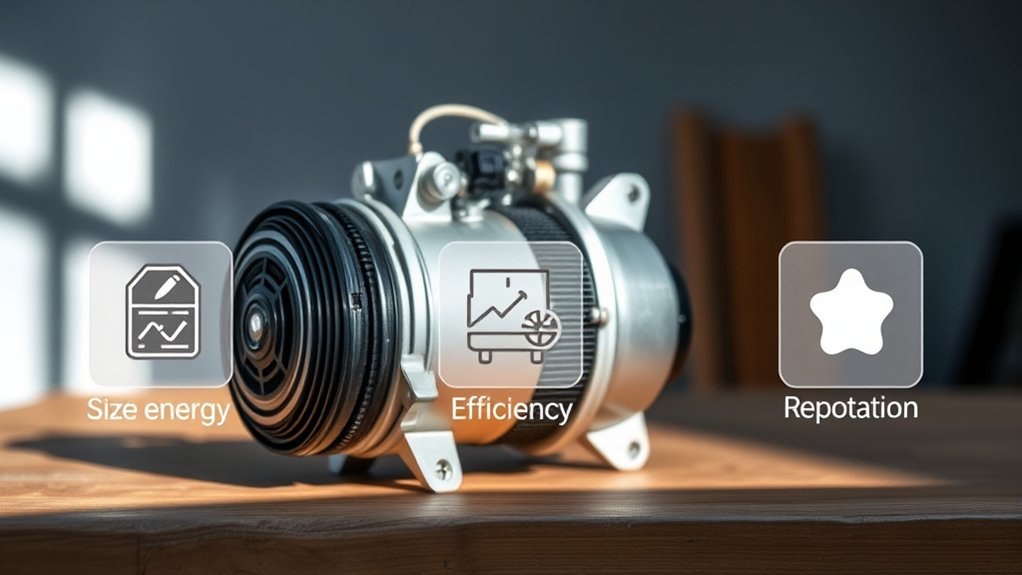
You’ll find that three key factors determine your air conditioner compressor cost: the size and age of your AC unit, the type of compressor you choose, and labor and installation expenses. Larger or older units typically mean higher costs, while scroll or variable-speed compressors offer better efficiency but at a premium.
Labor can vary based on complexity and local rates. Understanding these elements will help you make informed decisions about your system’s efficiency and budget. It’s all about finding the right balance for your needs and wallet.
How AC Unit Size and Age Affect AC Compressor Costs
When you consider replacing an AC compressor, the size and age of your unit directly influence the cost. The size of the AC unit determines compressor costs considerably.
Smaller 1.5 to 2 ton systems range from $700 to $1,400, while larger 3.5 to 4 ton units can cost between $1,100 and $2,100 because they need more cooling capacity for bigger spaces.
Also, the age of your system plays a big role in replacement costs. Older systems, especially those over 10 years, often aren’t as energy efficient. They might end up costing more if repairs go beyond half the price of a new unit.
For the best performance, making sure the compressor size matches your AC unit’s size and age is key. This helps keep things energy efficient and cost-effective.
Sometimes, it’s actually better to replace the whole system instead of just fixing the compressor, especially with older units.
Choosing the Right AC Compressor Type for Cost and Efficiency
Although selecting an AC compressor involves upfront costs, choosing the right type directly impacts both your system’s efficiency and long-term expenses.
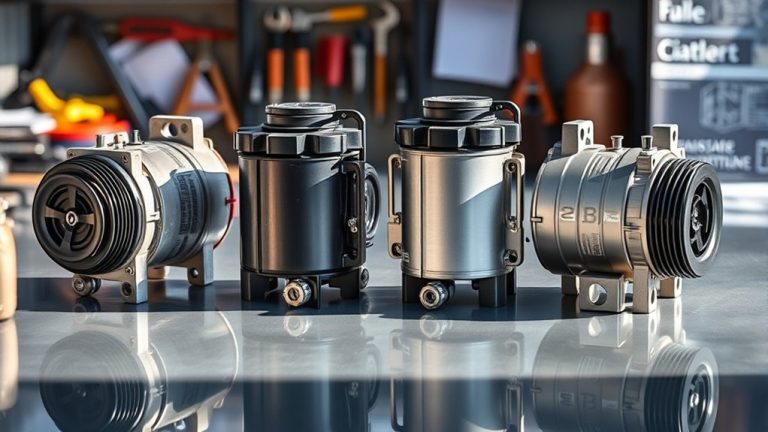
The AC compressor cost varies by compressor type: reciprocating compressors are affordable but less efficient, scroll compressors offer better compressor efficiency at higher prices, and rotary compressors suit smaller systems due to their compact design.
Variable-speed compressors, though the most expensive, maximize energy efficiency and reduce operating expenses considerably. This leads to notable long-term savings.
Variable-speed compressors offer top energy efficiency and significant long-term cost savings despite higher initial prices.
Matching the size of your AC to the compressor capacity is critical to avoid overspending on replacement costs or inefficient operation.
While installation costs depend on other factors, prioritizing compressor type guarantees you optimize performance, reduce future replacement costs, and achieve substantial energy savings over the unit’s lifespan.
Labor and Installation Costs for AC Compressor Replacement
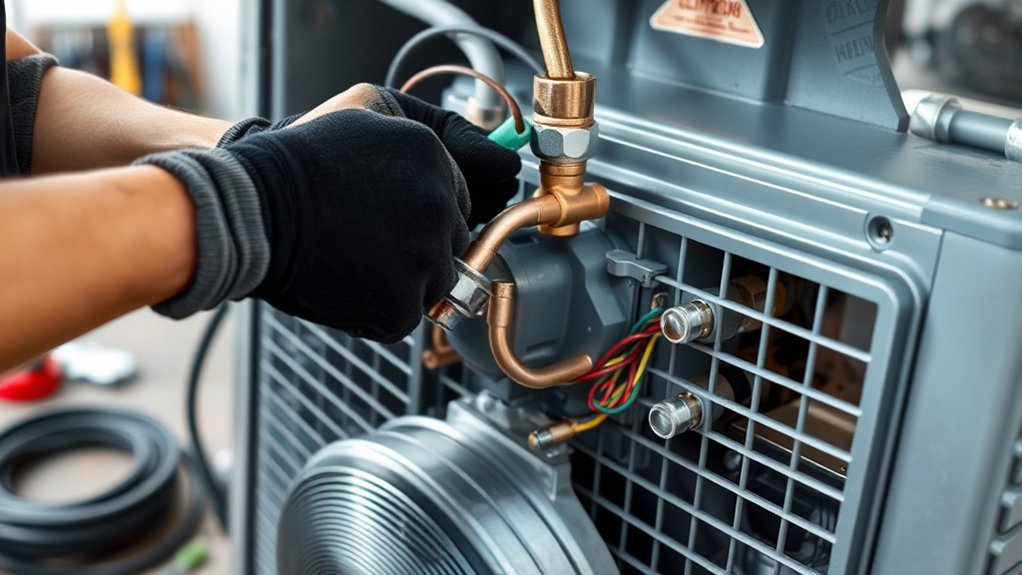
Since replacing an AC compressor involves multiple detailed steps, labor costs typically range from $300 to $900 depending on installation complexity and technician expertise.
The replacement process, handled by a licensed HVAC technician, generally takes 4 to 8 hours, requiring careful disassembly, removal, and reinstallation of components.
Professional installation guarantees peak performance and prevents future issues. Labor costs vary considerably by local rates and the specific HVAC system’s requirements.
Besides labor, additional components such as refrigerant and necessary parts can increase overall expenses.
When budgeting, you should consider both parts and labor to get an accurate estimate. Proper installation is critical; otherwise, improper setup can lead to inefficiencies and costly repairs down the line.
Frequently Asked Questions
How Does Compressor Brand Affect the Price of an AC Compressor?
The brand you choose directly impacts compressor quality, warranty options, and technology advancements, influencing price. A reputable brand often uses superior manufacturing locations and materials, boosting energy efficiency and durability.
Customer reviews reflect this reliability, driving market demand and sometimes higher installation costs for larger compressor sizes.
Advanced features raise costs but improve performance. Ultimately, brand reputation guarantees you get a compressor that balances upfront expense with long-term value and efficiency.
Are There Financing Options Available for Purchasing an AC Compressor?
Yes, financing options are available for purchasing an AC compressor. You can explore payment plans and leasing agreements that fit your budget.
Contractors often recommend lenders who offer good loan terms and competitive interest rates.
The application process usually requires credit approval, so it’s a good idea to be prepared.
Always review contracts carefully to avoid any hidden fees.
It’s smart to compare offers from different providers. That way, you can make sure you pick financing that works best for your financial needs and long-term plans.
What Maintenance Can Extend the Life of My AC Compressor?
Don’t let your compressor run off the rails. Regular compressor cleaning and filter replacement keep airflow checks efficient.
You also need to monitor refrigerant levels and electrical connections to avoid overheating or shorts.
Schedule system inspections and professional servicing annually. This helps with noise reduction and lubrication practices. Plus, it keeps everything running smoothly.
Also, maintain proper temperature settings to prevent excessive cycling. These steps extend your AC compressor’s life, ensuring reliable performance and saving you costly repairs down the road.
How Do Warranties Influence the Overall Cost of an AC Compressor?
Warranties directly reduce your repair costs by covering parts and sometimes labor, especially with longer warranty durations.
A strong warranty coverage from a reputable manufacturer boosts overall value, offsetting installation fees and replacement frequency.
You should check customer reviews and parts availability to verify smooth claims.
Premium features often come with extended warranties, which enhances protection.
Ultimately, a solid warranty lowers your financial risk, making compressor investments more cost-effective over time.
Can Energy Efficiency Ratings Impact Compressor Costs?
Yes, energy efficiency ratings directly impact compressor costs. Higher seasonal efficiency means advanced compressor types use cutting-edge technology advancements. This raises installation costs but boosts energy savings and reduces maintenance costs.
Market demand for efficient units and brand reputation also influence prices. Better warranty coverage and lower replacement frequency further justify upfront expenses.
When choosing, consider how these factors balance initial investment against long-term operational savings for maximum value.
Conclusion
When replacing your AC compressor, remember that unit size and age greatly impact costs. Older, larger units can increase expenses by up to 30%. Choosing the right compressor type guarantees efficiency and long-term savings.
Labor and installation fees vary depending on how complex the job is. By understanding these factors, you can make informed decisions and avoid unexpected costs.
This way, you’ll also optimize your system’s performance. Staying aware of these details helps you get the best value from your investment.