Why Does My Air Conditioner Compressor Make Loud Noise When Starting?
Your air conditioner compressor makes loud noises at startup mainly due to trapped refrigerant causing sudden pressure changes or mechanical issues like failing motor bearings and loose parts vibrating. Electrical problems, such as faulty capacitors or voltage fluctuations, can add buzzing or clicking sounds.
Ignoring these noises risks serious damage and reduced efficiency. Performing basic checks like clearing debris and inspecting components helps.
But understanding the specific causes and proper maintenance can guarantee quieter, longer-lasting operation.
Why Is My AC Compressor Making Loud Noises at Startup?
Why does your AC compressor make loud noises at startup? Often, trapped liquid refrigerant in the crankcase causes a sudden “boom” sound as the compressor engages. Incorrect refrigerant charge also strains the AC compressor, triggering loud buzzing or clanking noises.
Mechanical problems like failing motor bearings or piston slap can produce screeching or grinding sounds. Insufficient lubrication leads to rattling or vibrations due to increased friction. Electrical issues may make these conditions worse but usually don’t cause startup noise on their own.
To prevent and diagnose these problems, regular maintenance is key. Scheduled inspections help catch refrigerant imbalances, mechanical wear, and lubrication issues early. This way, your AC compressor runs smoothly and quietly.
Taking care of these factors promptly reduces loud noises at startup and helps your system last longer. It’s worth staying on top of maintenance to avoid those annoying sounds and costly repairs.
Common Noises Your AC Compressor Can Make
You’ll often hear certain noises coming from your AC compressor, and each one can mean something different.
For example, clanking, screeching, grinding, rattling, and buzzing sounds usually point to specific mechanical or electrical problems.
Knowing what these sounds mean makes it easier to figure out what’s wrong.
That way, you can take the right steps to fix the issue before it gets worse.
Typical Compressor Sounds
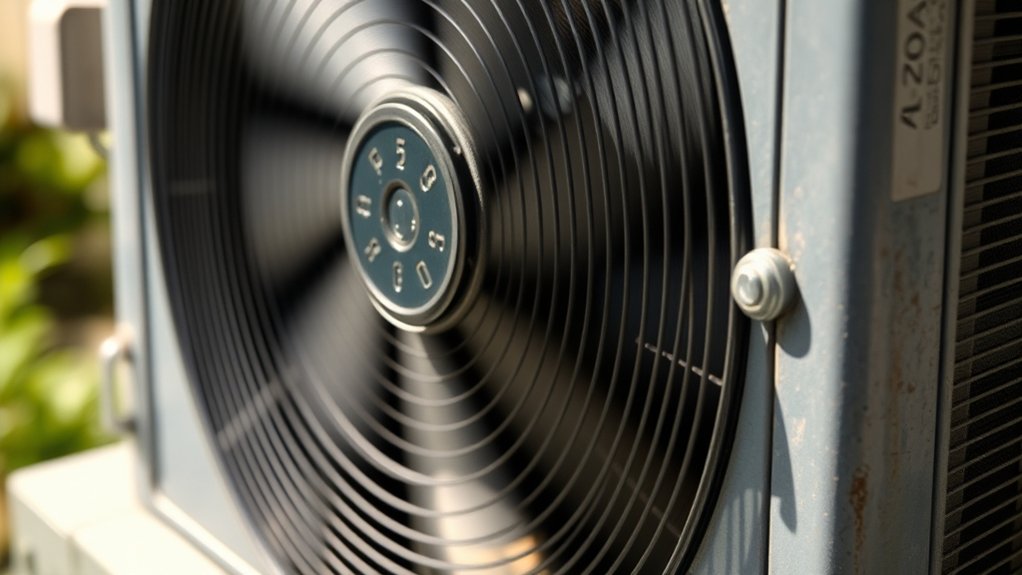
Unusual sounds from your air conditioner’s compressor often signal specific mechanical or electrical issues that need prompt attention. A loud noise like banging or clanking usually means internal components are striking each other or the compressor housing. This often happens because of loose parts or a mechanical problem.
Screeching sounds usually reveal worn motor bearings. That’s a sign of wear and tear causing friction between metal parts. Grinding noises suggest there’s not enough lubrication, which can lead to faster damage.
Rattling typically comes from loose mounting components or debris interfering with the operation. Meanwhile, buzzing or humming noises often point to electrical connections struggling with the compressor’s startup or operation.
Recognizing these typical compressor sounds helps you spot potential failures early and avoid costly repairs by dealing with mechanical and electrical issues quickly.
Noise Causes Explained
Understanding the specific noises your AC compressor produces can help you identify underlying issues before they escalate. When your compressor is making loud noises, it’s critical to pinpoint the noise causes to avoid costly damage.
Here are common sounds and their implications:
- Banging or Clanking: Indicates internal components striking each other, often from misalignment or mechanical failure needing immediate attention.
- Grinding Noises: Arise from inadequate lubrication, causing excessive friction on moving parts and risking severe wear.
- Screeching Sounds: High-pitched noises usually mean worn bearings or piston problems, which demand prompt repair to prevent system breakdown.
Recognizing these noise causes early lets you address faulty internal components, ensuring your AC compressor operates efficiently and reliably.
It’s always better to catch these issues sooner rather than later!
How Debris and Loose Compressor Parts Cause Noise
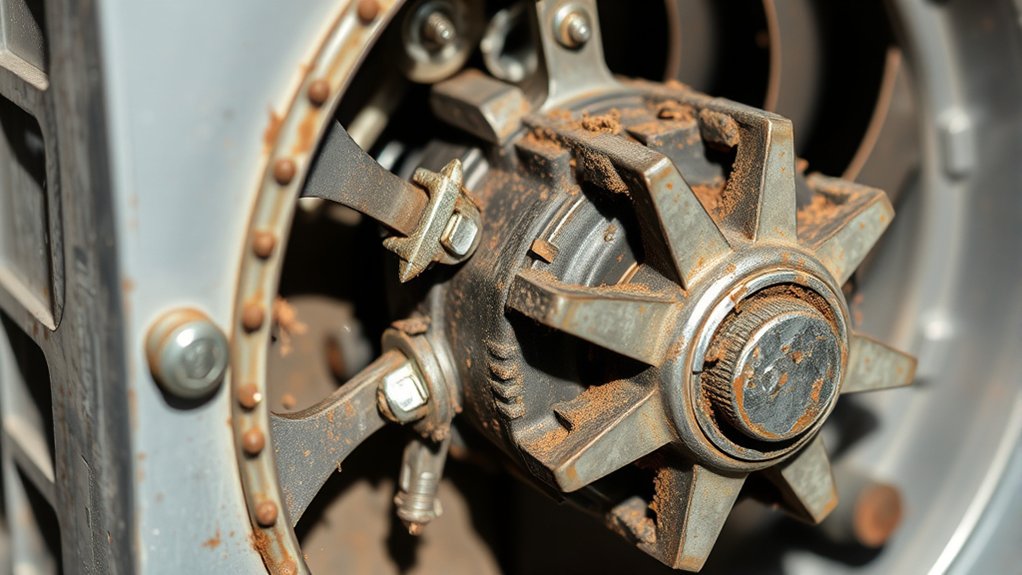
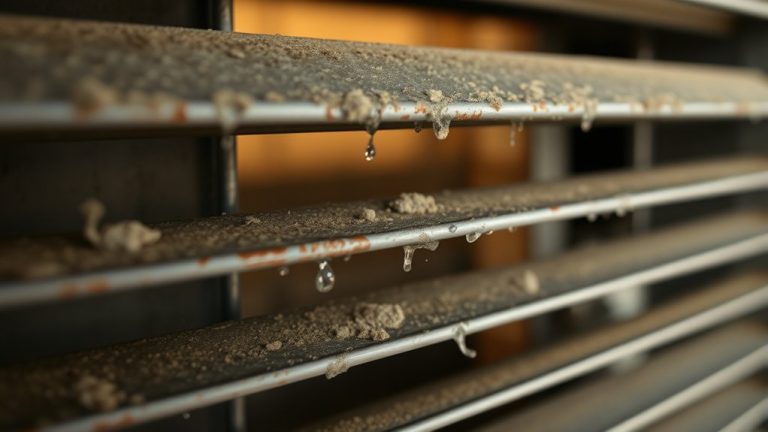
When debris accumulates around the air conditioner compressor, it can block moving parts and cause loud banging or clanging noises during startup. This buildup messes with how the compressor works mechanically, leading to disruptive sounds.
Also, loose parts like screws, mounting brackets, or refrigerant lines that aren’t secured properly can rattle or vibrate as they move against the compressor housing. These vibrations make the noise even louder when the compressor starts up. That’s not just annoying—it can also reduce efficiency and potentially cause damage.
Damaged fan blades might hit the casing too, adding rhythmic thumping sounds to the mix.
So, what’s the fix? Regular maintenance is key. Cleaning out debris, tightening loose parts, and checking refrigerant lines helps keep noise down and the compressor running smoothly.
Taking care of debris and loose components right away ensures your air conditioner stays quiet and reliable over time.
Why Worn Bearings and Pistons Lead to Screeching and Grinding
Beyond debris and loose parts, worn bearings and pistons inside the compressor can generate distinct screeching and grinding noises. These sounds often signal critical operational issues that need your attention. Here’s why:
Worn bearings create metal-on-metal contact, causing high-pitched screeches as components fail to rotate smoothly. Pistons lacking adequate lubrication produce grinding sounds due to increased friction and pistons slapping cylinder walls.
Worn bearings screech from metal friction, while dry pistons grind against cylinder walls, signaling urgent maintenance needs.
Insufficient lubrication accelerates wear, heightening the risk of compressor failure. Regular lubrication checks help you detect wear early, preventing extensive damage.
If you hear these noises, schedule a professional inspection immediately to avoid total breakdown and costly repairs. Addressing worn bearings and pistons promptly guarantees your compressor operates efficiently and extends its service life.
Electrical Issues Causing Compressor Clicking and Buzzing
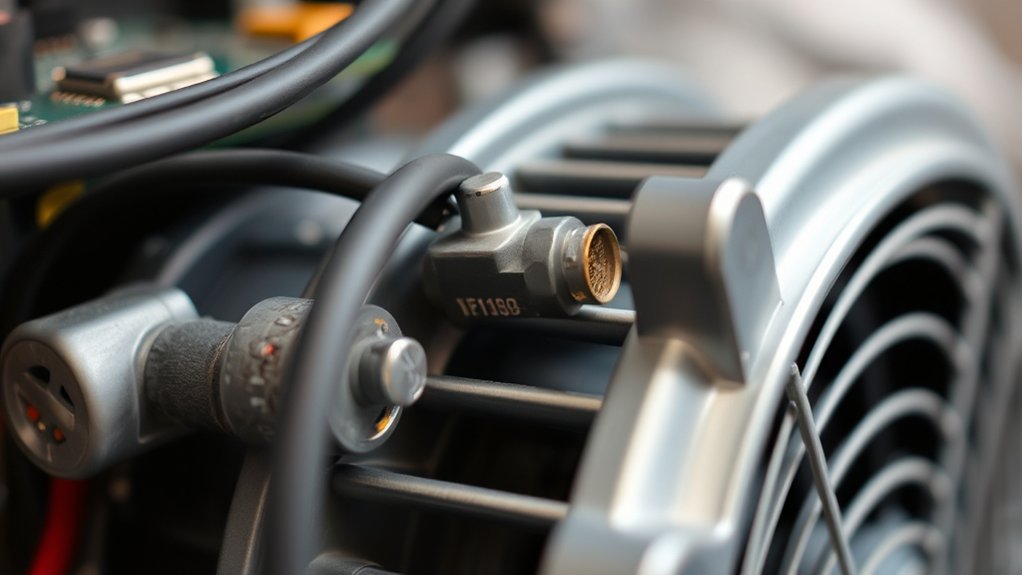
Although compressor noise often points to mechanical problems, electrical issues can also cause distinctive clicking and buzzing sounds during startup. When the compressor starts, faulty capacitors or loose electrical connections may cause clicking noises. This usually signals insufficient power delivery.
A buzzing sound often results from worn components or voltage fluctuations. These issues disrupt consistent power flow and can risk internal damage.
| Symptom | Possible Cause | Impact on Compressor |
|---|---|---|
| Clicking noises | Faulty capacitor | Compressor fails to start |
| Buzzing sound | Loose electrical connections | Compressor struggles to engage |
| Circuit breaker trips | Short circuit or overload | System shutdown |
| Voltage fluctuations | Inconsistent power supply | Abnormal compressor operation |
Regular inspection of electrical connections helps prevent these electrical issues. It also reduces startup noise and keeps your compressor running smoothly.
How to Identify If the Compressor Is Really the Noise Source
Electrical problems can mimic mechanical noises, so pinpointing the compressor as the true source of unusual sounds requires careful observation.
To accurately identify if the compressor is causing the loud noise, focus on these key indicators:
- Listen for persistent clanking or banging sounds, which often signal internal mechanical failures as components strike each other inside the compressor.
- Detect high-pitched screeching noises, typically caused by failing bearings or pistons, indicating urgent need for inspection.
- Monitor excessive vibrations when the compressor runs, as these suggest mounting issues or internal faults.
Using a mechanics stethoscope or screwdriver to isolate the sound near the compressor housing can confirm the source.
If the noise consistently occurs at startup and varies with the indoor blower, the compressor is likely responsible.
Simple Checks to Do Before Calling a Technician
Before calling a technician, you can perform several simple checks to determine if the noise from your air conditioner compressor is caused by easily fixable issues.
First, inspect the AC unit’s power supply by checking circuit breakers and fuses to verify proper voltage.
Begin by examining circuit breakers and fuses to ensure your AC unit receives the correct voltage.
Next, clear any debris around the outdoor unit that might cause clanging sounds.
Make it a priority to check air filters. Dirty filters restrict airflow, which increases compressor strain and causes loud noise.
Also, inspect and tighten loose components inside the unit. Vibrations from unsecured parts often amplify startup noise.
Finally, monitor refrigerant levels. Insufficient or excessive refrigerant can cause operational stress and lead to loud compressor sounds.
These steps help you identify minor issues before needing professional service.
What Happens If You Ignore Loud Compressor Noises
If you ignore loud compressor noises, you risk severe mechanical failures that can lead to costly repairs or even a complete system replacement.
Loud noises usually mean there’s a problem like failing motor bearings or not enough lubrication. These issues only get worse if you don’t take care of them.
Ignoring these warning signs can mess with your HVAC system’s reliability and efficiency. You might notice things like your cooling not working as well or your energy bills going up.
On top of that, you could end up voiding warranties or service agreements that require regular inspections and maintenance.
It’s definitely better to address the noise early before it turns into a bigger headache.
Preventative Maintenance Tips to Reduce Compressor Noise
You should regularly lubricate the compressor components to reduce friction and prevent noise caused by wear. It’s a simple step that really makes a difference.
Also, keeping air filters clean or replacing them when needed ensures proper airflow. This helps minimize the strain on the compressor during startup.
When you combine these maintenance steps, you’ll notice your compressor runs more efficiently and with less noise. It’s all about staying on top of these small tasks to keep things running smoothly.
Regular Lubrication Practices
Maintaining regular lubrication on your air conditioner compressor is essential to reducing friction and preventing grinding noises that signal wear. Proper lubrication minimizes mechanical issues and keeps noise levels low, ensuring peak performance.
It’s a good idea to incorporate lubrication into your routine maintenance checks so you can catch potential problems early.
Follow these key practices to keep things running smoothly:
- Use the manufacturer-specified lubricant type and quantity to avoid damage and maintain compressor efficiency.
- Replace lubricants every 2-3 years to sustain smooth operation and prevent premature wear.
- Inspect lubrication points during maintenance checks to detect insufficient lubrication or contamination that could increase noise levels.
By sticking to these practices, you’ll extend the compressor’s lifespan and reduce the risk of loud startup noises.
That way, your air conditioner will keep running quietly and reliably.
Air Filter Maintenance
Proper lubrication keeps your compressor running smoothly, but paying attention to the air filter is just as important when it comes to reducing noise.
Air filter maintenance is critical to guaranteeing peak airflow. This directly impacts compressor noise during startup.
A clean air filter prevents airflow restriction that can cause the compressor to overheat and produce excessive noise. Neglecting this routine maintenance risks ice buildup on the evaporator coil, which further increases operational noise and inefficiency.
By regularly cleaning or replacing your air filter every 1-3 months, you maintain system performance and extend the compressor’s lifespan.
Sticking to a scheduled air filter maintenance routine helps prevent minor airflow issues from turning into major compressor problems. This effectively reduces loud startup noise and boosts overall AC efficiency.
When to Call a Professional for Loud Compressor Repairs
Three distinct loud noises, like banging, clanking, or screeching, during your AC compressor’s startup signal mechanical issues that demand immediate professional attention. Ignoring these sounds can lead to compressor failure and risk a total system breakdown.
You should call a certified HVAC technician for professional help when you notice persistent loud noise that doesn’t go away after startup. Also, if you hear sudden harsh mechanical noises, it could mean component wear.
Reduced cooling performance combined with unusual compressor sounds is another clear sign to get it checked.
Certified technicians diagnose these mechanical problems precisely. They ensure safe and effective repairs that meet industry standards.
Getting professional help quickly can prevent costly system replacements and extend your AC’s lifespan.
Frequently Asked Questions
Can Loud Compressor Noise Cause My Energy Bills to Increase?
Yes, loud compressor noise can increase your energy bills by reducing compressor efficiency and boosting energy consumption.
When your compressor struggles, it cycles more frequently, which wastes electricity.
Using noise reduction techniques like sound insulation can improve performance and lower costs.
Plus, following maintenance tips like cleaning coils, checking refrigerant, and tightening parts helps prevent inefficiencies.
Ignoring noise can lead to higher utility bills and even expensive repairs down the line.
Does Compressor Noise Affect Indoor Air Quality?
Yes, compressor noise can impact your indoor air quality by reducing compressor efficiency, which leads to uneven cooling and increased humidity.
This creates conditions favorable for mold growth and airborne contaminants.
To improve air quality, focus on maintenance tips like cleaning filters and checking refrigerant levels.
Implement vibration reduction techniques and soundproofing solutions to minimize noise pollution and mechanical stress.
This helps ensure your system runs smoothly and maintains peak airflow and filtration.
Are Noisy Compressors Covered Under Typical HVAC Warranties?
Noisy compressor issues may get limited warranty coverage, but often repair costs aren’t covered if the problem is due to poor maintenance or installation errors.
To improve your chances, it’s a good idea to follow the maintenance tips and troubleshooting steps outlined by the manufacturer.
Also, keep detailed records and report any compressor noise promptly.
From what customers say, warranties tend to cover parts more than labor, so it’s really important to understand your specific warranty terms.
Proper upkeep can help you avoid voiding warranty coverage related to noise problems.
Can Weather Conditions Influence Compressor Noise Levels?
Think of your compressor as a weathered sailor battling shifting seas. Weather definitely impacts its noise levels.
Temperature changes and seasonal shifts cause pressure variations inside the system, which make components expand or contract. This can lead to clanking sounds.
Humidity adds moisture strain, and wind can affect how the outdoor unit performs.
These factors come together, increasing mechanical stress and making startup noise louder.
Is It Safe to Use Ear Protection Near a Noisy Compressor?
Yes, you should use hearing protection near a noisy compressor to reduce noise exposure and comply with safety regulations. Proper hearing protection, combined with sound insulation and vibration dampening strategies, helps safeguard your hearing during compressor maintenance.
While ear protection minimizes risk, it doesn’t replace addressing mechanical issues causing the noise. Regular compressor maintenance guarantees quieter operation, which enhances safety and equipment longevity.
Always prioritize hearing protection to prevent damage during prolonged exposure. It’s a simple step that makes a big difference for your hearing health.
Conclusion
So, you hear loud noises from your AC compressor at startup and think, “It’s just a little sound, no big deal.” Ironically, ignoring it won’t make the problem disappear. It’ll only get louder and costlier.
By understanding common causes like debris, worn parts, or electrical faults, you can tackle issues early. Don’t wait until your compressor screams for help. A quick check or pro visit saves your system and your sanity.