How to Prevent Bugs From Coming Through Your Split Air Conditioner
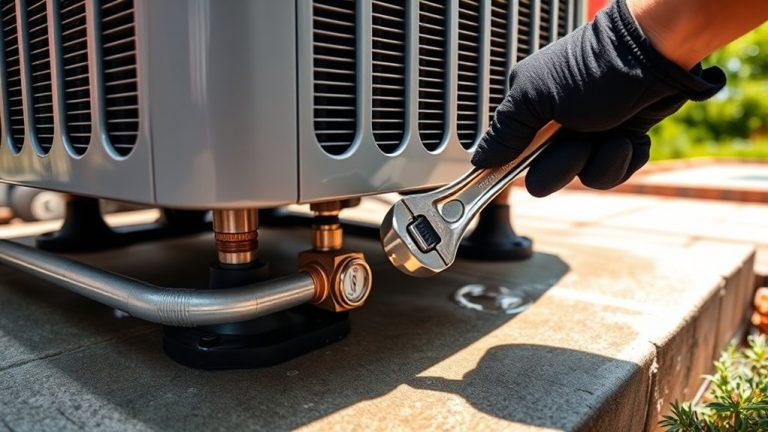
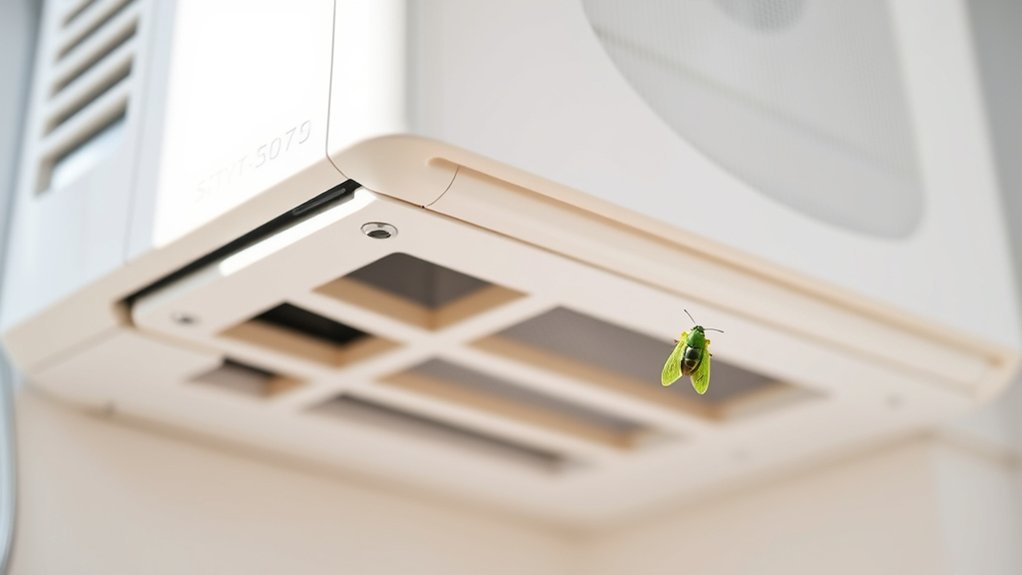
To prevent bugs from entering your split air conditioner, start by thoroughly sealing cracks and gaps around ducts, pipes, and the condenser using durable tape and caulk. It really makes a difference in keeping those little critters out.
Make sure to keep the outdoor unit clean and free of debris. Trim any nearby branches too, since they can be a highway for insects to get closer. Also, check that drainage is working properly to avoid moisture buildup, which bugs love.
You can use natural repellents safely around the area, and installing lint traps on condensate pipes helps block insects from sneaking in. Don’t forget to maintain your system regularly and fix any leaks quickly—this reduces bug attractants significantly.
Keep exploring different ways to optimize your AC’s pest-proofing strategies. It’s all about staying one step ahead of those pesky bugs!
Why Bugs Are Attracted to Your Split Air Conditioner
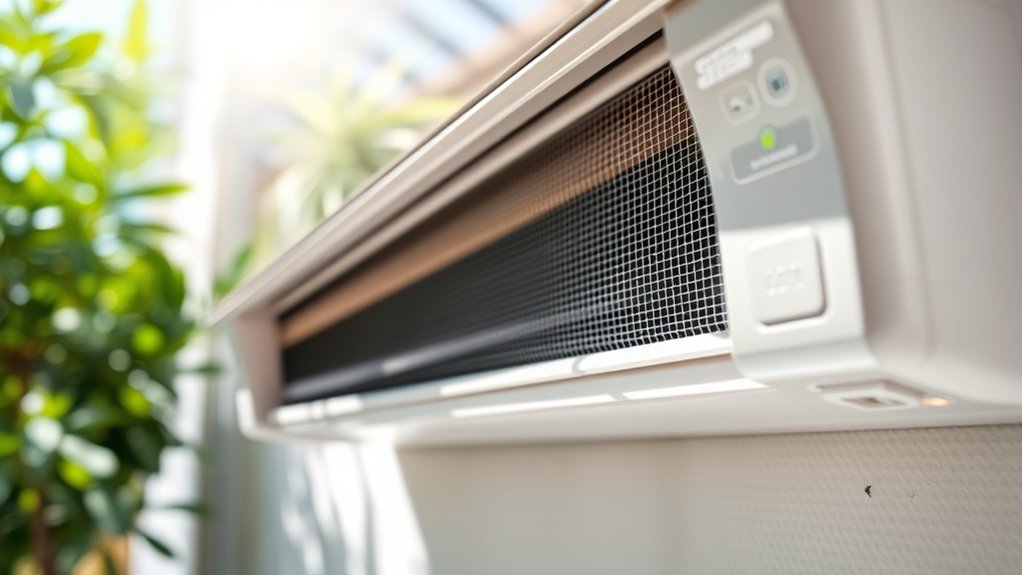
Because split air conditioners generate moisture during cooling, they inadvertently attract insects such as mosquitoes and ants seeking water sources. This moisture, combined with standing water near the outdoor unit, creates an ideal environment for bugs.
The cool interior of the unit offers shelter, protecting them from predators. Entry points like gaps in ductwork and vents allow bugs direct access to the system.
Furthermore, accumulated debris within the air conditioner can form nesting areas, providing dark, damp conditions preferred by pests. Understanding these factors helps you recognize why your split air conditioner becomes a hotspot for bugs.
So, it’s really important to manage moisture, seal up those entry points, and keep the unit clean. Doing these things can reduce insect attraction and prevent infestations effectively.
Taking these simple steps makes a big difference in keeping your air conditioner bug-free.
How to Identify Common Bug Entry Points in Your AC
Managing moisture and sealing entry points are key to keeping bugs away from your split air conditioner.
But identifying where these pests enter is just as important.
To prevent bugs from getting into your AC unit, focus on these common entry points:
1. Inspect the outdoor unit for cracks around the condenser.
Even tiny holes can let insects inside.
2. Check gaps around duct connections.
Improper sealing here often provides pest access.
3. Examine areas where pipes and cables penetrate walls.
Unsealed spots are frequent bug pathways.
4. Monitor seals around windows and doors near the AC unit.
Cracks around these can make it easy for insects to get in.
Sealing Cracks and Gaps to Block Bug Entry
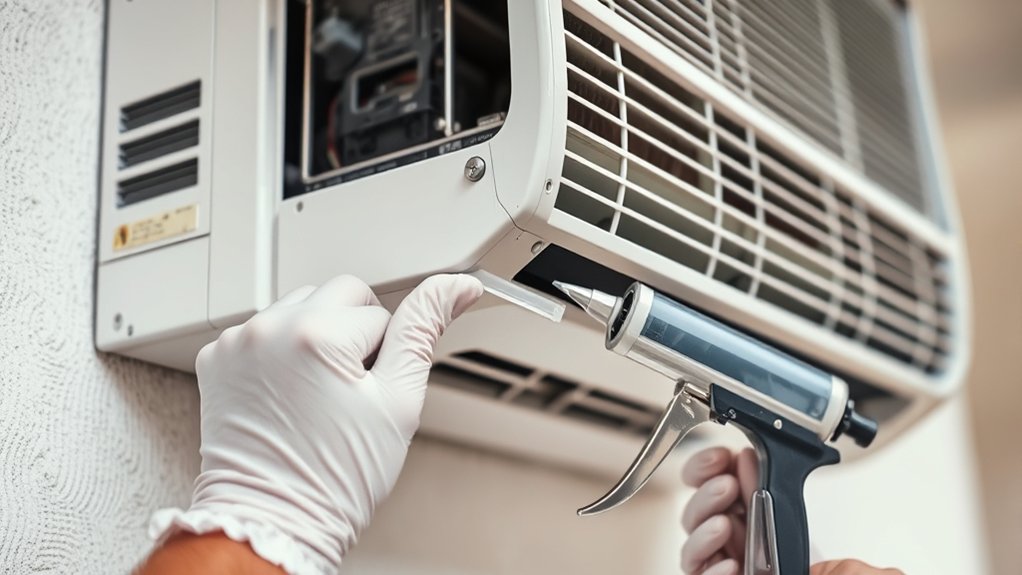
Start by checking all the ductwork connections carefully. If you find any cracks or gaps that are wider than an inch, seal them up with durable duct tape.
For smaller openings around air ducts, outdoor units, and wall cracks, go ahead and apply quality caulk. This not only keeps bugs out but also helps improve your energy efficiency.
And don’t forget about the outdoor openings around the condenser. Make sure to seal those using concrete or caulk to stop insects from getting inside where there’s moisture.
Taking these simple steps can really make a difference in keeping your space bug-free.
Inspect Ductwork Connections
When inspecting ductwork connections, you should carefully examine all joints for cracks or gaps that could allow insects to enter.
These small openings compromise your system’s integrity and let bugs inside.
To effectively prevent bugs from infiltrating, follow these steps:
- Inspect ductwork joints regularly for visible cracks and gaps.
- Use duct tape to seal cracks smaller than an inch promptly.
- Turn on your AC and feel for airflow leaks to identify hidden gaps.
- Schedule routine professional maintenance to catch and address emerging issues early.
By staying on top of these checks, you can keep your ductwork sealed tight and your home bug-free.
It’s not hard, and it really makes a difference!
Apply Quality Caulk
Seal cracks and gaps around your air ducts and outdoor units with quality caulk to prevent bugs from entering your home. When you apply quality caulk, you seal gaps that pests exploit, creating a tight seal that protects your air conditioning system.
Choose caulk compatible with your wall materials, and perform regular maintenance to check for wear and tear. Applying caulk in a clean, dry environment guarantees a strong bond and minimizes future pest access. This also improves efficiency by preventing air leaks.
| Task | Material Compatibility | Maintenance Frequency |
|---|---|---|
| Seal gaps | Wall-specific caulk | Inspect quarterly |
| Apply quality caulk | Easy application/removal | Reapply if cracked |
| Prevent bugs | Tight seal formation | Check after storms |
| Protect system | Durable, flexible caulk | Clean surface before |
| Enhance efficiency | Weather-resistant | Monitor airflow loss |
Seal Outdoor Openings
Although outdoor openings might seem minor, they provide easy access points for bugs to infiltrate your air conditioning system. To effectively seal outdoor openings and prevent bugs from coming through, focus on precise AC maintenance steps.
First, inspect the condenser unit and ductwork for cracks or gaps. Seal small ones with compatible caulk or duct tape. It’s a simple fix that can make a big difference.
Also, make sure the system is professionally installed to secure tight connections. This helps minimize insect entry points.
Keep a 2-3 foot clearance around the outdoor unit by removing debris and trimming vegetation. This gives bugs fewer places to hide.
Finally, regularly check for and seal even tiny holes using concrete or caulk. Insects can exploit the smallest openings, so don’t overlook them.
Installing Screens and Mesh on AC Vents and Ducts
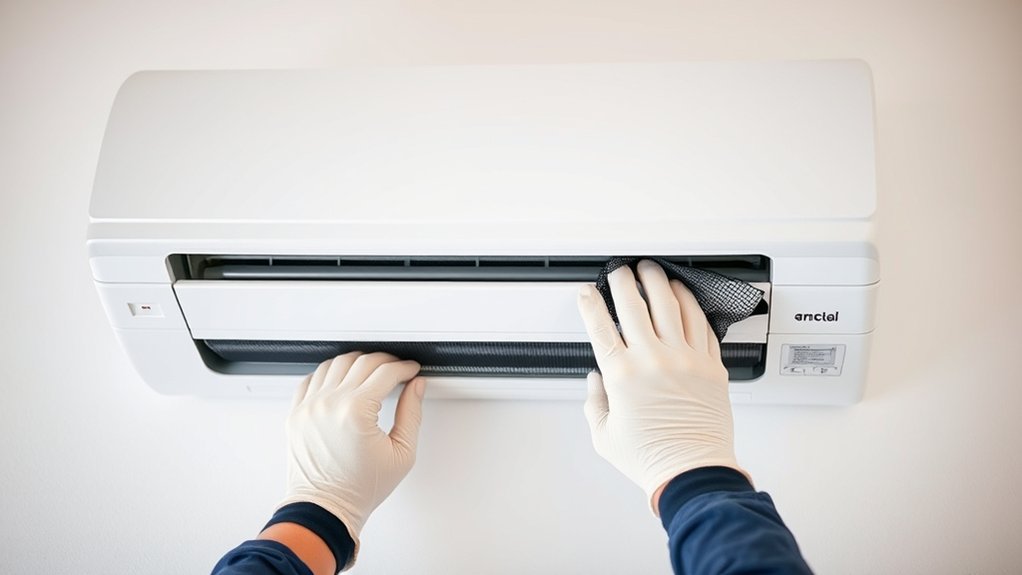
Because air conditioners rely on unobstructed airflow, installing screens or mesh on AC vents and ducts means you need to choose and fit them carefully. You should pick screens with a mesh size between 16 and 18 per inch. This size blocks most insects without seriously restricting airflow.
Use corrosion-resistant materials like stainless steel so the screens last longer and don’t rust. When you fit the screens, make sure they’re securely fastened to avoid gaps where bugs could sneak in.
Regular maintenance is key. Clean the mesh often to get rid of dust and debris that might block airflow and reduce how well your AC cools.
Cleaning and Maintaining Your Outdoor Split AC Condenser
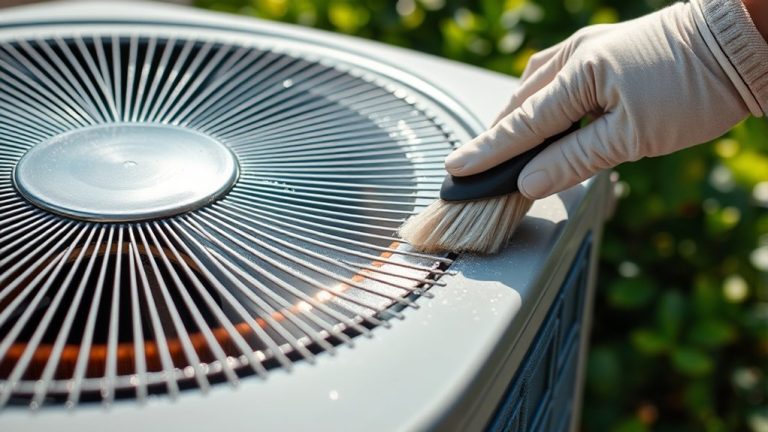
Keep the area around your outdoor split AC condenser clear by regularly removing leaves, sticks, and other debris. This helps maintain a 2-3 foot clearance, which deters bugs from nesting near the unit.
To properly clean and maintain your condenser, follow these steps:
- Inspect the condenser for cracks or holes. Seal any gaps with caulk or concrete to block bug entry.
- Trim overhanging branches at least seven feet away to reduce insect attraction.
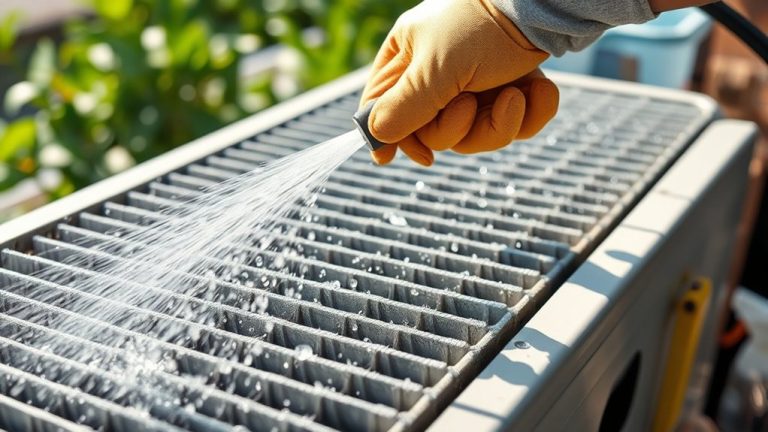
- Clean the fins and coils annually to prevent dirt buildup that can harbor bugs and restrict airflow.
- Check the condensate drainage system to guarantee proper flow. Install a stainless steel lint trap to stop insects from entering drainage pipes.
Consistent maintenance keeps your outdoor condenser efficient and bug-resistant. It’s a simple routine that goes a long way in protecting your unit.
How to Clean and Replace Your AC Filters Regularly
Maintaining your outdoor condenser free from debris helps reduce bug presence around your AC system, but managing the indoor components is just as important.
Regular air conditioner maintenance demands that you clean or replace your air filters every three months to sustain peak airflow and prevent dust accumulation that attracts bugs from entering.
If you have shedding pets, consider monthly filter changes to minimize allergens and insect habitats.
Opt for high-efficiency particulate air (HEPA) filters, as they trap finer particles and enhance indoor air quality.
When replacing filters, guarantee a snug fit to block gaps that insects might exploit.
Consistent filter care not only reduces bugs but also improves your HVAC system’s efficiency, lowering energy consumption and maintaining a healthier indoor environment.
It’s definitely worth the effort!
How to Prevent Moisture Buildup That Attracts Bugs
If you want to prevent bugs from invading your air conditioner, controlling moisture buildup is essential. Excess moisture creates an ideal habitat for insects, so follow these steps to keep your air conditioning system dry and bug-free.
First, regularly inspect and clean the condensate drain line to prevent clogs that cause moisture buildup.
Regularly clean your AC’s condensate drain line to stop clogs and keep moisture at bay.
Also, make sure there’s proper sealing around the unit to block warm air from coming in because that leads to condensation.
Using a dehumidifier alongside your AC system can help reduce indoor humidity levels effectively.
And don’t forget to schedule routine maintenance to catch and fix any leaks or drainage issues early on.
This way, you’ll keep both moisture and bugs away!
Safe Bug Repellents for Your Split Air Conditioner
You can try using natural repellents like diluted essential oils or vinegar sprays around your split air conditioner to keep insects away safely.
Another good option is applying diatomaceous earth or a mild soap solution, which helps create effective barriers without causing any harm to your HVAC system.
Just make sure to follow the exact application guidelines to keep both the repellent working well and your equipment safe.
Natural Repellent Options
Though chemical repellents are common, natural options provide safe and effective alternatives to keep bugs away from your split air conditioner.
These natural repellents minimize chemical exposure while maintaining efficiency.
Consider these four natural repellent options:
- Use essential oils like peppermint, lavender, or eucalyptus diluted and sprayed around the outdoor unit to repel insects through strong scents.
- Sprinkle diatomaceous earth at the base of the AC unit. It dehydrates and kills crawling bugs by damaging their exoskeletons.
- Apply vinegar solutions—equal parts water and vinegar—around the condenser to deter pests with its pungent odor.
- Place citrus peels or use garlic spray near entry points. Both emit odors that bugs find unpleasant, effectively reducing their presence.
Incorporating these choices helps protect your air conditioner naturally and efficiently.
Give them a try and see how well they work!
Application Tips and Safety
When applying bug repellents around your split air conditioner, prioritize solutions that protect both the system and indoor air quality. Use non-toxic insect repellents labeled safe for air conditioning systems to deter bugs without damaging components. Clean the area regularly to remove debris and standing water, and use caulk to seal gaps that attract insects.
If you’re unsure about the best approach, consider getting professional HVAC advice for proper repellent application and maintenance. This way, you can keep your system running smoothly and bug-free.
| Tip | Purpose |
|---|---|
| Use peppermint oil | Natural bug deterrent |
| Diluted vinegar solution | Surface cleaning and repellent |
| Install mesh covers | Prevent bug entry/outdoor unit |
| Clean area regularly | Remove bug attractants |
| Use caulk | Seal entry points |
Following these steps will help you prevent bugs effectively while maintaining your system’s efficiency and safety. It’s a simple way to keep both your air conditioner and indoor air quality in great shape.
DIY Fixes to Prevent Bugs in Your AC Drainage System
Three key DIY fixes can greatly reduce bug intrusion in your AC drainage system. To keep bugs from seeking shelter in your air conditioner vents and drainage system, you need precise interventions.
First, install a stainless steel lint trap on the condensate drip pipe. This allows water to flow while preventing bugs from entering your AC system.
Next, regularly inspect and clear any blockages caused by insect nests in the drainage system. This helps maintain proper function and keeps things running smoothly.
Also, elevate the drainage system or rain barrel. Doing this guarantees effective gravity drainage and prevents standing water, which attracts pests.
Finally, seal all drainage connections tightly. This eliminates gaps where insects could sneak in.
These simple measures directly prevent bugs from compromising your air conditioner vents and drainage system. They help assure your AC system runs efficiently and stays bug-free.
Scheduling Professional HVAC Inspections and Maintenance
After implementing DIY fixes to reduce bug intrusion in your AC drainage system, it’s equally important to schedule regular professional HVAC inspections and maintenance.
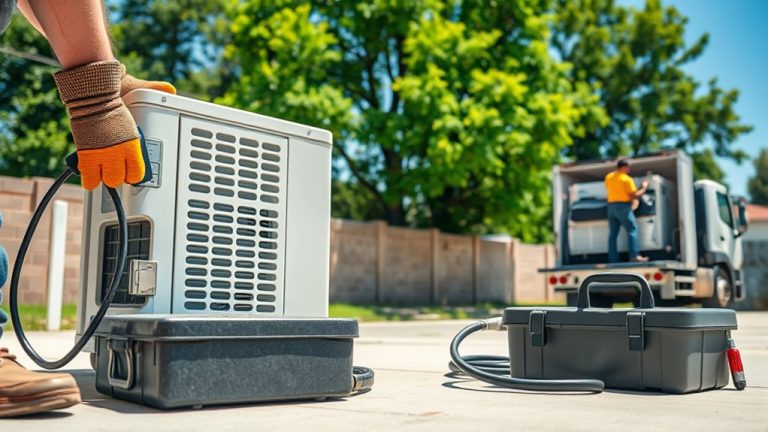
Scheduling an AC inspection with professional assistance guarantees technicians identify and seal unsealed gaps in ductwork and vents, preventing bug entry.
During HVAC inspections, experts clean and replace air filters, which trap allergens and deter insects.
They also assess the outdoor unit, removing debris to prevent pest nesting around the condenser.
Professionals address moisture issues that attract pests by eliminating leaks and standing water, improving system efficiency.
Furthermore, they may install protective barriers and provide targeted solutions to keep bugs out.
Routine professional maintenance is essential for maintaining a pest-free, efficient split air conditioner system.
Frequently Asked Questions
Can Bugs Damage the Internal Components of My Split Air Conditioner?
Yes, bugs can damage your split air conditioner’s internal components by entering through bug entry points like vents and gaps.
You should follow maintenance tips such as sealing these openings and using regular cleaning methods to remove nests or debris.
Preventive measures include applying insect repellents or screens.
DIY solutions can help, but professional services guarantee thorough inspection and treatment. This protects wires, insulation, and airflow systems from pest-related damage.
Are Certain Bug Species More Likely to Infest Split AC Units?
You’d think your split AC is a bug-free zone, right?
Actually, ants, roaches, spiders, mosquitoes, silverfish, and crickets are the usual suspects attracted to it.
To tackle this, focus on insect prevention tips like sealing bug entry points and regular split AC cleaning.
Combine thorough air conditioner maintenance with effective pest control methods, especially during seasonal bug behaviors.
This way, you can keep infestations at bay and protect your unit’s performance.
How Does Seasonal Weather Affect Bug Activity Around My Air Conditioner?
Seasonal temperature and humidity levels directly influence bug migration around your air conditioner. Warmer, humid conditions speed up breeding cycles and increase food sources, which attracts insects to your unit.
Bugs also look for shelter in cooler, moist spots, often near condensation from your AC.
When it gets cooler, changes in temperature make some insects move indoors. They use the air conditioner for warmth and protection.
Knowing these patterns can help you anticipate and manage pest activity better. It’s all about staying one step ahead!
Can Using Scented Air Fresheners Near the AC Attract More Bugs?
You should know that studies reveal 60% of indoor pests are drawn to scented oils, increasing bug attraction near AC units.
Using scented air fresheners close to your split air conditioner can degrade air quality and inadvertently attract more bugs because of their scent preferences.
Instead, try natural repellents like citronella or eucalyptus oils. They effectively reduce indoor pests without compromising air quality or encouraging unwanted insect activity around your cooling system.
Is It Safe to Use Chemical Insecticides Inside My Split Air Conditioner?
You shouldn’t use chemical insecticides inside your split air conditioner because of chemical safety concerns and the risk of damaging its components.
Some types of insecticides can also lower indoor air quality, which might cause health issues like respiratory irritation.
Instead, try alternative methods and preventive steps like sealing entry points and scheduling regular maintenance.
These approaches help keep pests away without putting your health or HVAC system at risk.
If pests keep coming back, it’s a good idea to call in professionals.
They can suggest safe treatments that won’t harm your unit or your well-being.
Conclusion
By sealing gaps, installing screens, and keeping your split AC clean, you’ll build a fortress against bugs trying to invade. Regular maintenance and moisture control act like a shield, blocking their path before they even get close.
Don’t forget safe repellents and professional inspections to keep your system running smoothly. With these steps, you’ll prevent bugs from turning your AC into their summer vacation spot, ensuring efficient cooling and a bug-free environment.