What Is a Capacitor on an Air Conditioner and How to Check It
A capacitor in your air conditioner stores and releases electrical energy to start and run the compressor and fan motors efficiently. To check it, first turn off power and discharge the capacitor safely. Inspect it for bulges, leaks, or discoloration.
Then, use a multimeter set to capacitance mode to measure its value. If readings are off from the rating, replace the capacitor. Proper testing and maintenance guarantee your AC runs smoothly and lasts longer.
You might want to explore the full process for detailed guidance. It’s easier than you think once you get the hang of it!
What an AC Capacitor Is and Why It Matters
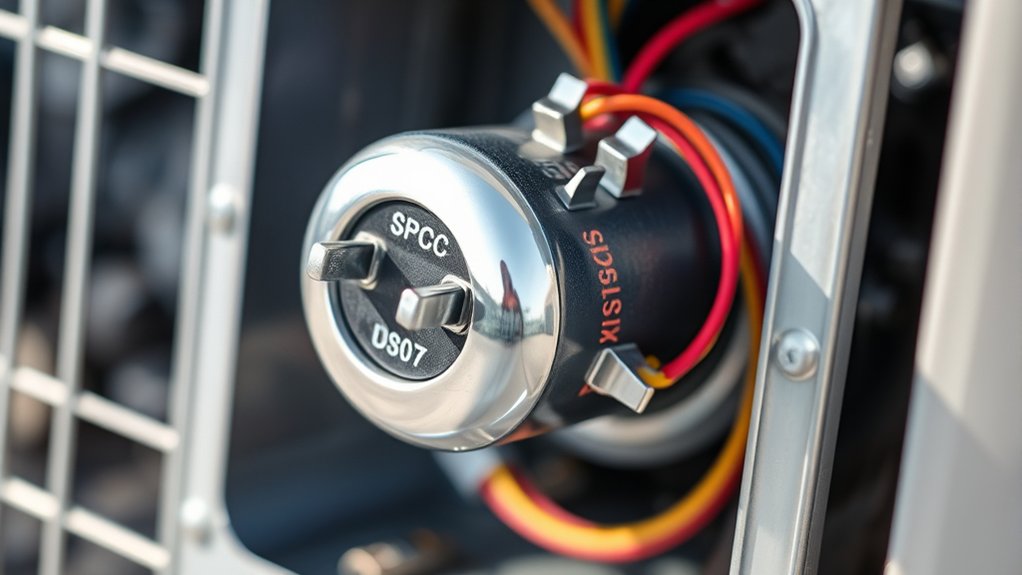
An AC capacitor plays an essential role in your air conditioning system by storing and releasing electrical energy needed to start and run the compressor and fan motors efficiently.
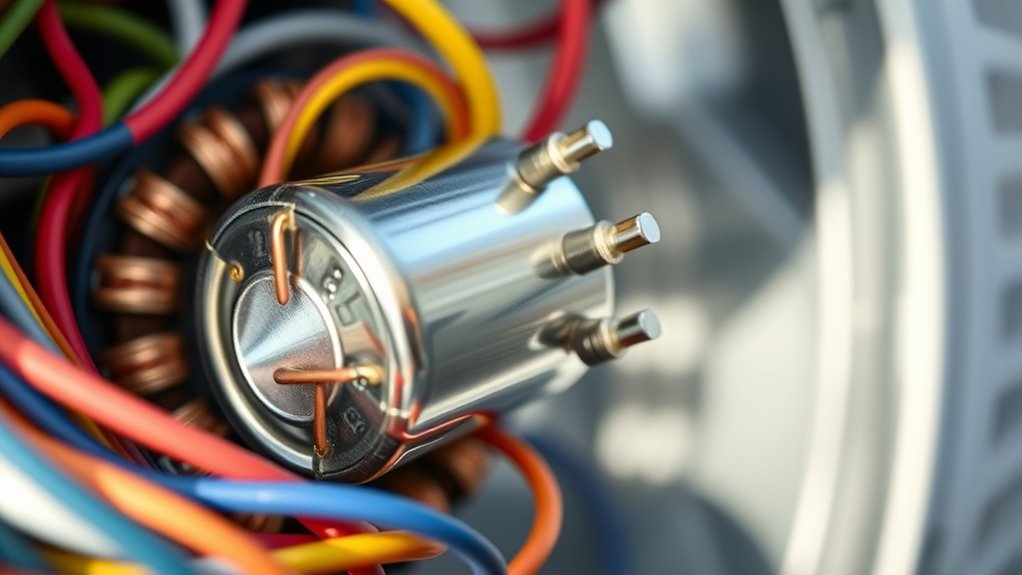
This small, cylindrical or oval-shaped capacitor serves as a power reservoir, delivering necessary bursts of energy to the air conditioning unit’s motors.
You’ll find two main types: start capacitors, which provide an initial boost, and run capacitors, which maintain continuous operation.
Capacitors are rated by voltage and microfarads (MFD), with values typically between 5 and 80 MFD.
Understanding the function of the capacitor is vital because signs that can indicate its failure often lead to inefficient cooling or system breakdown.
Timely replacing a capacitor guarantees your AC runs reliably and extends the unit’s lifespan.
It’s definitely worth keeping an eye on it!
Signs Your AC Capacitor Is Going Bad
Capacitor failure often shows up through specific symptoms that can help you catch problems early.
If you notice your AC unit won’t turn on at all, it might mean the capacitor is bad and preventing startup.
Another clear sign is when the unit hums but doesn’t actually start. This usually means the motor is struggling because it’s not getting enough electrical energy.
Hard starting is also common with a failing capacitor—this is when the system delays before it finally kicks on.
You might also see unexpected shutdowns while the system is running. This suggests the capacitor can’t store or provide the power needed to keep things going.
If the fan doesn’t turn on while the system is running, that’s a strong clue the capacitor isn’t delivering enough startup energy, which is crucial for the motor.
Spotting these signs early can help you fix capacitor issues before they lead to bigger problems.
Types of AC Capacitors Explained
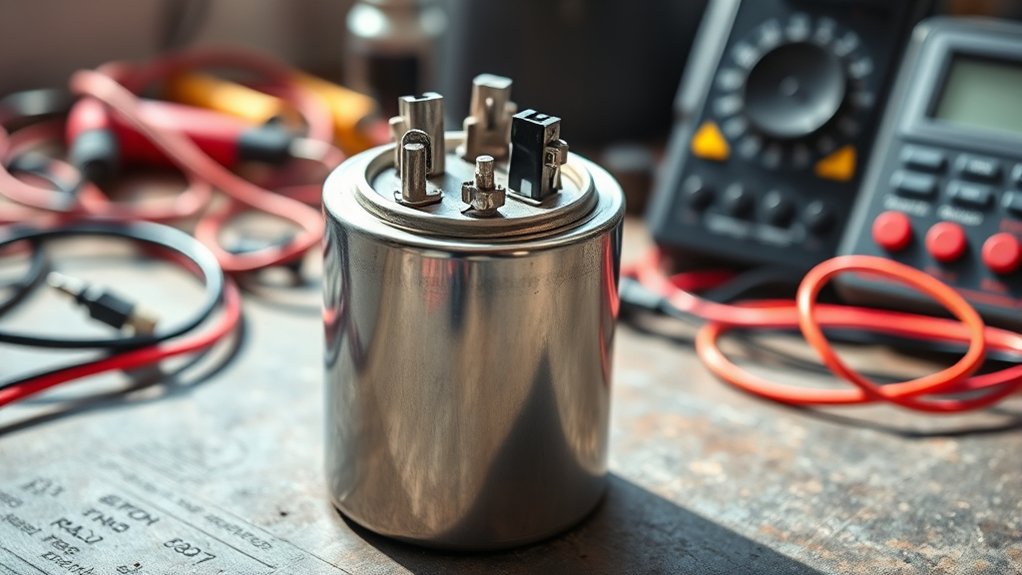
Although you mightn’t see them, different types of AC capacitors play distinct roles in your air conditioner’s operation.
Start capacitors provide the initial energy boost needed to get the motor running. They disconnect once the motor reaches operational speed.
Start capacitors give the motor its initial energy boost and disconnect once the motor runs smoothly.
Run capacitors, on the other hand, supply a steady voltage throughout the AC system’s operation. This ensures continuous efficiency.
Some units use dual capacitors that combine both start and run functions into a single electrical component. This setup simplifies installation and maintenance.
Capacitors are rated by voltage and microfarads (MFD), which indicate their capacity to store electrical energy.
Selecting the correct type and rating of capacitors is critical because improper matching can cause inefficiency or damage.
Understanding these components helps you maintain peak air conditioner performance.
How to Find and Inspect Your AC Capacitor
When you need to locate the capacitor, start by turning off the power at the circuit breaker to confirm safety.
The capacitor is usually inside the outdoor unit, near the compressor or fan motor. It looks like a tall cylinder or an oval metal component.
Before handling it, make sure to discharge the capacitor to get rid of any stored charge.
To inspect the capacitor, check closely for physical signs of damage like bulging, cracks, leaks, or discoloration on its casing. These signs usually mean the capacitor is failing.
Although a multimeter is essential for precise capacitance testing, your first step should be a visual and physical check.
Always keep the power off during this process to avoid electrical hazards. Proper inspection helps you decide if further testing or replacement is needed.
How to Test an AC Capacitor With a Multimeter
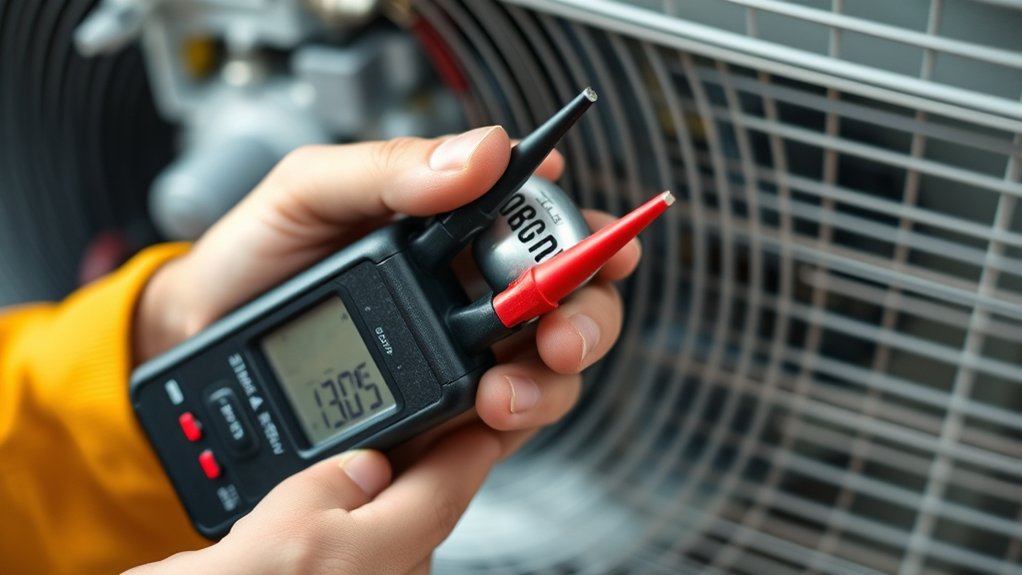
Before you start testing, be sure to turn off the power at the breaker.
It’s also really important to safely discharge the capacitor to avoid any shock. Once that’s done, set your multimeter to the capacitance mode.
Next, connect the multimeter leads carefully to the capacitor terminals.
After that, measure the capacitance and compare the reading to the manufacturer’s rating. This will help you figure out if the capacitor is working properly.
Preparing the Capacitor
Start by turning off the air conditioner’s power at the circuit breaker to eliminate any risk of electric shock.
Before testing, perform a thorough visual inspection of the capacitor for signs like bulging, leaking, or discoloration. These often indicate a faulty capacitor.
Next, safely discharge the capacitor to prevent residual electrical current from causing harm. Use your multimeter or a resistor to short the terminals carefully.
Finally, set your multimeter to the capacitance mode to prepare for measurement. Follow these steps:
- Cut power at the circuit breaker.
- Conduct a visual inspection for damage.
- Discharge stored electrical current safely.
- Set the multimeter to measure capacitance.
Skipping any step could lead to inaccurate readings or confirm that the capacitor is bad and requires replacement.
Measuring Capacitance Values
After preparing the capacitor by cutting power, inspecting for damage, and discharging stored energy, you’re ready to measure its capacitance.
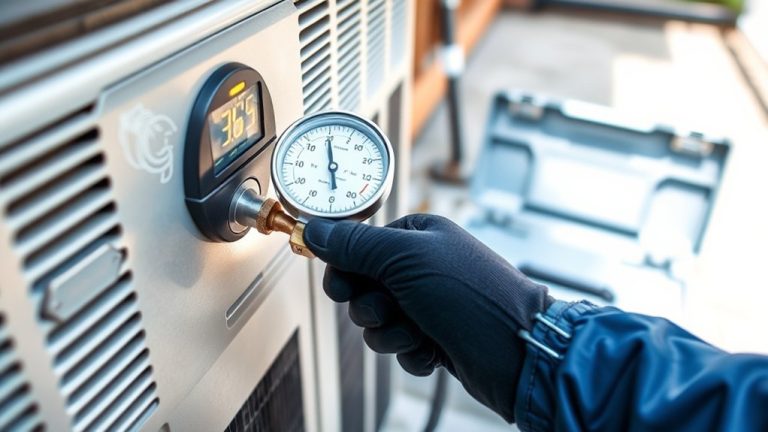
Start by setting your multimeter to the capacitance setting, often labeled as “MFD” or “uF.” Connect the multimeter leads to the capacitor terminals, making sure you observe the correct polarity if it applies.
The multimeter will measure the capacitor’s stored electrical charge and display a capacitance value.
Compare this reading to the capacitor’s rated capacitance printed on its label. If the measured value is considerably lower or out of range, it usually means the capacitor is faulty.
In that case, replacing the capacitor is essential to maintain proper air conditioner function and avoid further electrical problems.
It’s a simple step that can save you from bigger issues down the line.
What to Do When Your AC Capacitor Fails
When your AC capacitor fails, the first thing you’ll probably notice is some unusual signs like a humming noise or warm air coming from your unit.
Take a close look for any visible damage on the capacitor itself—it might give you some clues.
Next, grab a multimeter to test the capacitor’s capacitance. This step is important because it confirms whether the capacitor is actually faulty or if something else is going on.
Once you’re sure the capacitor is the problem, go ahead and replace it carefully.
And while you’re at it, think about some maintenance tips to keep your AC running smoothly and avoid similar issues down the road.
Diagnosing Capacitor Failure
Although diagnosing a failing AC capacitor may seem complex, you can identify key signs such as humming noises, difficulty starting, or the unit not powering on.
To address a capacitor issue, follow these steps:
- Visually inspect the capacitor for bulging, cracks, or leakage. Always verify power is off before inspection.
- Use a multimeter to test capacitance. Readings notably below the manufacturer’s rating indicate a failing capacitor.
- If the system is older, consider that both the capacitor and relay might’ve issues and may fail together.
- Schedule regular maintenance every five years to prevent capacitor failure and extend your AC unit’s lifespan.
Just remember, taking these steps can save you from bigger problems down the line.
Regular checks really pay off!
Replacing The Faulty Capacitor
Since a faulty capacitor can disrupt your air conditioner’s performance, replacing it promptly is essential to restore proper function.
First, turn off the power supply completely to avoid electrical hazards. Carefully disconnect the wires from the defective capacitor, noting their order to guarantee correct reconnection.
Remove the faulty capacitor and install the new one in the same position, securing it firmly. Before reconnecting, use a multimeter to test the new capacitor’s capacitance, confirming it meets the manufacturer’s specifications. Make sure all connections are tight and correctly positioned.
Once installed, close the access panel and restore power to the unit. Keep an eye on the air conditioner’s operation to verify the replacement was successful and that the capacitor is working properly without any irregularities.
Preventing Future Capacitor Issues
If you want to avoid unexpected breakdowns and costly repairs, regularly inspecting your AC capacitor is essential. Capacitors often show bulging or discoloration before failure, so check every five years.
Here’s how to focus on preventing future failures:
- Perform routine maintenance and cleaning on your AC units to reduce overheating and extend capacitor life.
- Keep a spare capacitor on hand; replacements usually cost under $20, minimizing downtime.
- Upgrade older systems with starter booster capacitors or soft start kits to improve performance and reduce electrical surges.
- When replacing a capacitor, inspect and replace relays or damaged wiring to address all root causes and prevent performance issues.
Following these steps guarantees your AC unit operates efficiently and reduces the risk of sudden capacitor failures.
It’s a simple way to keep things running smoothly without unexpected headaches.
How to Replace an AC Capacitor Without a Technician
Before you start replacing an AC capacitor, make sure you completely shut off the power at the breaker box to avoid electrical hazards. Remove the access panel to locate the capacitor and document the wiring arrangement. Use a multimeter set to capacitance to test the capacitor.
If the reading is below the specified rating, replace it. Connect the new capacitor’s wires exactly as before, secure it in the mounting bracket, and reassemble the panel. Restore power and verify the AC unit operates normally.
If you’re unsure at any point, it’s best to consult an HVAC professional.
| Step | Action |
|---|---|
| Power Supply | Turn off at breaker box |
| Access Panel | Remove to access capacitor |
| Testing | Measure capacitance with multimeter |
| Replacement | Connect wires; secure capacitor |
| Verification | Restore power; check operation |
Additional Parts to Inspect When Replacing Your AC Capacitor
When you’re replacing your AC capacitor, it’s a good idea to check the relay too. A failing relay can stop your system from working properly and might need to be replaced.
Also, think about adding a soft start kit, especially if you have an older unit. This helps reduce the startup current and can really extend the life of your motor.
Taking these extra steps helps make sure your system runs smoothly and prevents parts from wearing out too soon.
Relay Replacement Importance
Although replacing your AC capacitor is essential for maintaining system performance, you should also inspect the relay, as it often fails alongside the capacitor. The relay controls compressor startup, so a faulty relay can stop the system from running properly. This can cause ineffective cooling and higher energy use.
When you’re replacing the capacitor, keep a few key points about the relay in mind. First, check the relay for signs of wear, corrosion, or damage. Then, test the relay’s continuity and switching function using a multimeter.
It’s a good idea to replace the relay at the same time as the capacitor to avoid repeated failures. Also, make sure both parts meet the manufacturer’s specifications to keep your system running at its best.
Taking care of the relay during capacitor replacement boosts reliability and can save you money on future repairs by helping your AC system start and run smoothly.
Soft Start Kit Benefits
Since air conditioners experience a significant electrical surge during startup, installing a soft start kit can reduce this initial load. This helps extend the lifespan of your compressor and fan motor.
A soft start kit works with the capacitor to minimize electrical strain, boosting system efficiency and lowering energy consumption. This is especially helpful for older units that draw higher amperage.
When replacing your AC capacitor, consider checking the soft start kit to guarantee smoother startups and prevent premature failures.
| Benefit | Component Involved | Effect on System |
|---|---|---|
| Reduced electrical surge | Soft start kit + capacitor | Prolongs compressor and fan life |
| Lower energy consumption | Soft start kit | Enhances system efficiency |
| Decreased motor stress | Soft start kit | Prevents motor and capacitor failure |
| Improved startup smoothness | Soft start kit + capacitor | Increases overall reliability |
Tips to Maintain Your AC Capacitor for Longer Life
To extend the life of your AC capacitor, you should regularly inspect it for signs of wear such as bulging or discoloration. These signs usually indicate potential failure. Proper maintenance can help prevent a failing motor and costly repairs.
Here are some tips to keep your capacitor in good shape:
- Schedule thorough maintenance every five years to assess capacitors and other components.
- Keep spare capacitors on hand for quick replacement, so you can reduce downtime during peak heat.
- Use a soft start kit to limit power surges that stress aging capacitors.
- Check wiring insulation regularly to avoid overheating caused by poor electrical conditions.
Following these simple steps can really make a difference in how long your AC capacitor lasts. It’s all about staying proactive and catching issues early.
When to Call a Professional for AC Capacitor Issues
How do you know when it’s time to call a professional for your AC capacitor issues? If your air conditioner produces unusual noises like clicking or humming, this often signals capacitor problems requiring expert attention.
Also, if the unit struggles to start or shuts down unexpectedly, it’s a good idea to consult a professional to prevent further damage.
If your AC struggles to start or shuts down unexpectedly, seek professional help to avoid further damage.
Visual inspections revealing bulging or leaking capacitors demand immediate professional replacement to guarantee safety.
When your DIY testing with a multimeter shows capacitance notably below the manufacturer’s rating, a professional evaluation is crucial to confirm the diagnosis.
And if you’re uncomfortable handling electrical components or don’t have the proper tools, don’t risk it. Contact a technician for an efficient and safe resolution of capacitor issues.
Frequently Asked Questions
How Does Temperature Affect Capacitor Performance in an Air Conditioner?
Temperature extremes directly cause performance degradation in capacitor types used in air conditioners. High heat increases electrical resistance, leading to voltage fluctuation and faster wear.
Cold, on the other hand, hampers energy storage efficiency, affecting startup.
Humidity effects combined with temperature can cause swelling or leaks, which puts the capacitor at risk of failure.
It’s important to keep an eye on capacitors regularly, especially during seasonal shifts. This helps guarantee stable voltage and peak function.
Can a Capacitor Cause the AC Unit to Freeze Up?
Yes, a capacitor can be the sneaky culprit behind your AC unit freezing up. When you notice capacitor failure symptoms like humming noises or trouble starting, it’s a clear sign to act.
These common capacitor issues reduce the compressor’s efficiency, impacting cooling and airflow. That leads to ice buildup on your unit.
Use AC troubleshooting tips to spot capacitor replacement signs early. Doing this helps you maintain peak performance and prevent freezing complications.
What Is the Average Lifespan of an Air Conditioner Capacitor?
You can expect the average lifespan of an air conditioner capacitor to be around 5 to 10 years.
Watch for capacitor failure signs like humming noises or slow motor starts. Regular air conditioner maintenance helps spot issues early.
When considering capacitor replacement, focus on capacitor quality factors and voltage rating importance to guarantee compatibility and durability.
Proper selection and timely replacement extend your unit’s reliability and efficiency. It really pays off to stay on top of this!
Are There Eco-Friendly Capacitor Options for Air Conditioners?
You can reduce energy consumption by up to 30% using eco-friendly capacitors in your air conditioner. These capacitors use sustainable materials and meet green certifications, ensuring safer, more efficient operation.
They support capacitor recycling and promote energy conservation through advanced eco-friendly technologies.
By choosing these options, you not only boost system longevity but also minimize environmental impact. It’s a smart way to align your HVAC maintenance with practical, sustainable practices.
Plus, going eco-friendly feels good knowing you’re helping the planet while saving energy.
How Do Capacitor Ratings Impact Energy Efficiency in AC Units?
Capacitor ratings, including microfarads and voltage ratings, directly affect your AC unit’s energy efficiency. Choosing the correct capacitor type guarantees steady motor operation, reducing electrical stress and boosting energy savings.
Proper capacitor maintenance, like regular testing and timely replacement, prevents efficiency losses.
Efficiency upgrades often involve installing capacitors with ideal ratings to handle power surges better. This helps prolong your system’s life while cutting energy costs considerably.
Conclusion
Understanding your AC capacitor is like knowing the heartbeat of your air conditioner. It keeps the system running smoothly. By regularly inspecting and testing it, you catch issues before they grow, saving time and money.
If you’re comfortable, replacing the capacitor yourself is doable. But don’t hesitate to call a professional when in doubt.
Keep your capacitor well-maintained, and your AC will continue to cool efficiently, season after season.