How Long Do Air Conditioner Capacitors Last
You can expect your air conditioner capacitor to last between 10 and 20 years. But environmental factors like high heat, humidity, and voltage fluctuations often cause failures closer to the 10-year mark.
Regular maintenance and timely inspections help catch early wear. This can extend its lifespan and prevent costly damage.
If you notice trouble starting your AC or hear unusual noises, the capacitor may need attention. Understanding the signs, proper care, and when to get professional help will keep your system running smoothly.
What Is an AC Capacitor?
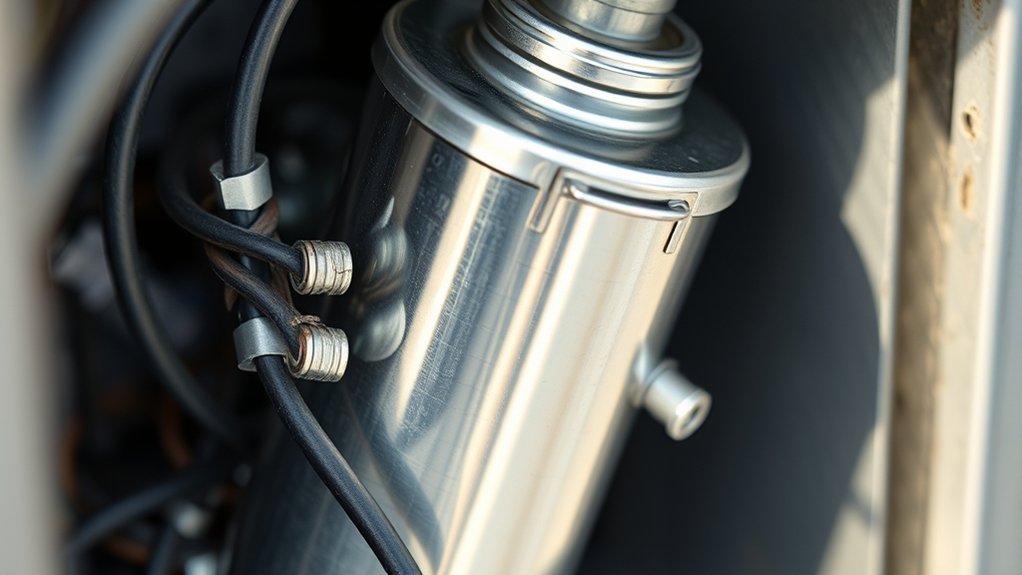
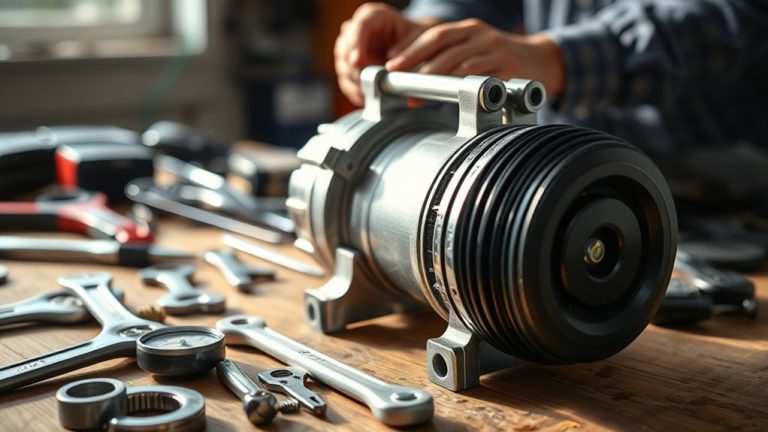
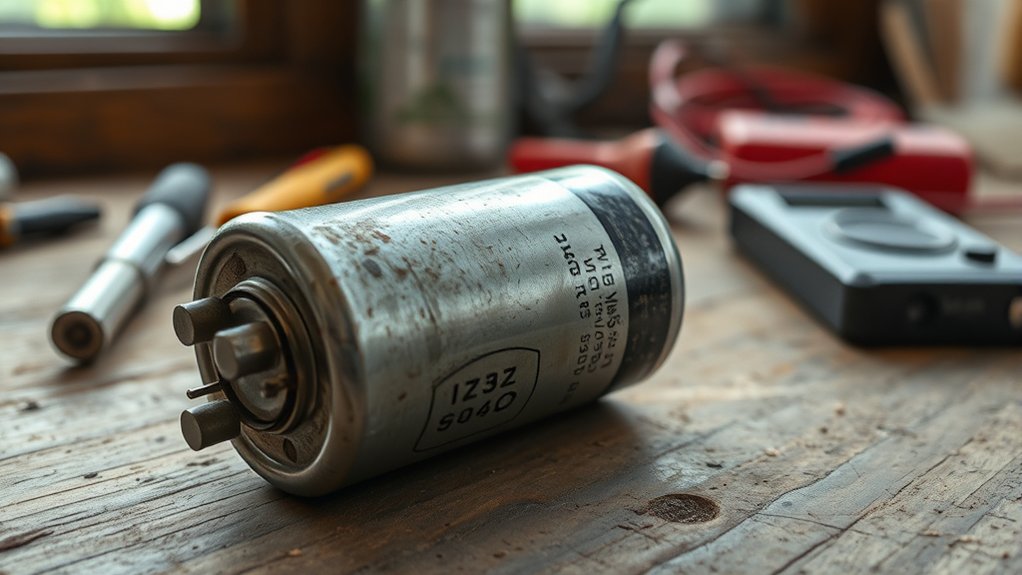
An AC capacitor is a compact, cylindrical component that stores and releases electrical energy to start and power your air conditioner’s motor. You’ll find these AC capacitors vital for providing the initial surge of electrical energy needed to kick-start the motor and maintaining consistent power flow during operation.
Typically rated between 5 MFD and 80 MFD, these capacitors regulate voltage and current within your HVAC system. This helps ensure smooth motor function and prevents damage.
By managing electrical energy efficiently, the capacitor helps the compressor and fan motors run reliably. Understanding the role of AC capacitors is essential because they directly impact your air conditioner’s performance and durability.
Proper maintenance of these components supports the longevity of your entire HVAC system. So, keeping an eye on your capacitors can save you from bigger problems down the road.
How Long Does an AC Capacitor Usually Last?
How long you can expect an AC capacitor to last depends largely on its operating environment and usage patterns. Typically, capacitors in air conditioning units have a lifespan ranging from 10 to 20 years. Many start showing signs of failure around the 10-year mark, especially under stress from heat and frequent operation.
To maximize lifespan, it’s crucial to evaluate regular HVAC inspections to detect early wear. Avoiding power surges that strain the capacitor is also important. Make sure the unit operates within manufacturer-recommended conditions.
It’s a good idea to monitor for signs of reduced performance. Scheduling preventive maintenance can really help extend the service life of your capacitor. Taking these steps can keep your AC running smoothly for years.
What Environmental Factors Wear Out AC Capacitors?
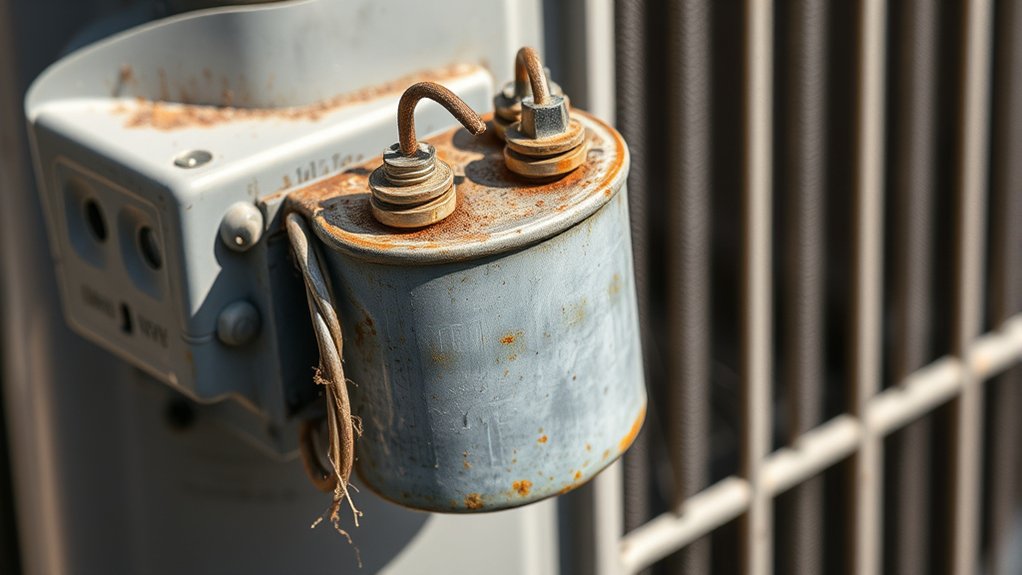
When your AC capacitor operates in harsh conditions, its lifespan can shorten considerably. Heat exposure is a primary factor. Sustained high temperatures cause the capacitor’s internal components to degrade faster, often reducing its life to under 10 years.
Humidity levels also play a critical role. Excess moisture promotes corrosion and electrical faults, which can impair capacitor functionality.
Plus, voltage fluctuations stress the capacitor’s dielectric materials. This accelerates wear and increases the risk of sudden failure.
These environmental stressors, combined with operational demand and contaminants like dust, create a challenging environment for capacitors.
How Can You Tell If Your AC Capacitor Is Failing?
What indicators should you watch for to recognize a failing AC capacitor? Identifying signs of a bad capacitor early can prevent system downtime and costly repairs.
Capacitor failure often shows up through electrical and mechanical symptoms within your air conditioner.
Key signs to keep an eye on include unusual noises like clicking or humming. These sounds can signal internal electrical issues.
You might also notice difficulty starting your AC or frequent unexpected shutdowns because the capacitor isn’t providing enough power surge.
Another thing to watch for is increased energy consumption without any change in usage, which points to inefficiency.
If your AC is blowing warm air instead of cold, that could mean the compressor isn’t working properly.
And don’t ignore any physical damage, like bulging or leaking from the capacitor casing — that definitely needs immediate attention.
How Regular Maintenance Helps Extend AC Capacitor Life
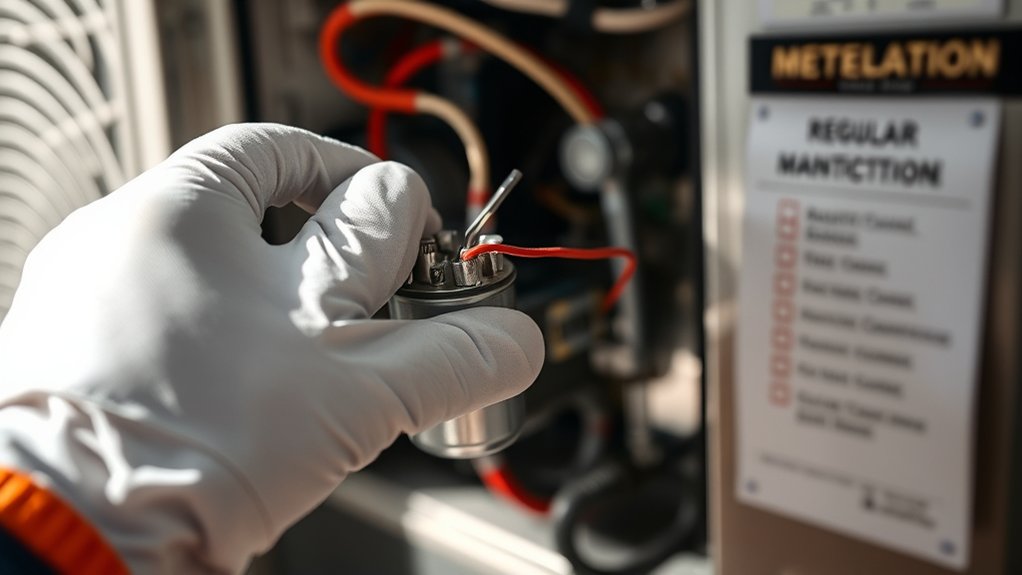
Although capacitors are designed to last many years, regular maintenance plays a critical role in extending their operational life and preventing premature failure.
Regular maintenance, including cleaning and replacing air filters, optimizes airflow and reduces overheating, which is a primary cause of capacitor degradation.
Scheduling annual professional HVAC inspections lets you identify early signs of wear, such as bulging or rust. This way, you can make timely repairs that help extend the capacitor’s lifespan.
Annual HVAC inspections catch early wear like bulging or rust, enabling timely repairs to extend capacitor life.
Moreover, addressing minor issues like unusual noises right away prevents undue stress on the capacitor. Using a surge protector also safeguards the capacitor from voltage spikes, which enhances its durability.
When Should You Replace Your AC Capacitor?
You should replace your AC capacitor if you start noticing signs like difficulty starting the unit, unusual noises, or warm air blowing. These are clear hints that something might be off.
Also, if you see any physical damage, such as bulging or leaking, it’s important to replace the capacitor right away to prevent further problems.
Keeping an eye on these symptoms, along with considering the age of your capacitor—which is usually around 10 years—can help you figure out the best time to get it replaced.
Signs Of Failure
When your air conditioner’s capacitor starts to fail, it often produces distinct signs that shouldn’t be ignored. Recognizing these signs early helps you address common issues before they cause system failure.
A failing capacitor compromises the motor’s ability to start and run efficiently, leading to increased strain on your AC unit.
Watch for these signs of a failing capacitor:
- Strange noises like clicking or buzzing from the unit
- AC fails to start or blows warm air consistently
- Noticeable increase in energy bills without usage change
- Visible bulging, leaking, or corrosion on the capacitor
- Frequent short cycling or sudden shutdowns of the system
Identifying these symptoms promptly guarantees you can take corrective action to avoid costly repairs or total system breakdown.
It’s always better to catch these problems early and keep your AC running smoothly.
Replacement Timing
Recognizing signs of a failing capacitor helps prevent sudden system failures, but knowing the right time to replace it guarantees continuous, efficient operation. Typically, AC capacitors last between 10 to 20 years, with many failing near the 10-year mark due to heat and wear.
Regular maintenance plays a critical role in extending capacitor lifespan by detecting early signs of failure like humming noises, difficulty starting the unit, or rising energy bills.
In hot, humid climates, such as Nashville, capacitors may degrade faster, making timely capacitor replacement essential. Preemptively replacing aging capacitors before peak usage seasons prevents unexpected breakdowns and costly repairs.
So, it really pays off to keep an eye on your system and get ahead of any trouble.
Rely on regular maintenance and monitoring of signs of failure to determine the ideal replacement timing for your AC capacitor. That way, you avoid surprises and keep your system running smoothly all year long.
What Happens If You Ignore a Failing AC Capacitor?
If a failing AC capacitor is ignored, the system’s efficiency drops considerably. This causes your energy bills to increase since the unit works harder to maintain performance.
A bad capacitor compromises the startup and operation of compressor and fan motors, leading to energy inefficiency and potential mechanical stress.
Over time, neglecting this issue can cause the compressor to overheat. That increases the risk of costly repairs or even total system failure.
Plus, intermittent AC operation results in inconsistent cooling, which means less comfort in your home.
Ignoring a failing capacitor can cause:
- Increased energy consumption
- Overheating of compressor and fan motors
- Intermittent or failed AC operation
- Accelerated wear on critical components
- Higher repair or replacement costs
Addressing capacitor issues promptly helps preserve your system’s reliability and efficiency.
It’s always better to take care of these problems early before they turn into bigger headaches.
Why You Should Trust Professionals for AC Capacitor Care
You really need a professional’s expertise to make sure your AC capacitor is installed correctly and safely. This helps you avoid costly mistakes down the line.
Plus, technicians have specialized tools to handle capacitors without putting themselves at risk of electrical shock.
On top of that, getting an accurate diagnosis from trained experts can prevent further damage to your system. It also helps extend the lifespan of your AC, saving you money and hassle in the long run.
Expertise Ensures Proper Installation
Because AC capacitors play a critical role in your system’s operation, having a professional HVAC technician handle their installation guarantees peak performance and durability.
Your HVAC technician’s expertise assures the capacitor is installed correctly, preventing electrical faults that could damage your entire system.
Proper installation also extends the capacitor’s lifespan by identifying early failure signs and addressing them promptly.
Certified technicians employ specialized tools and methods to safely discharge capacitors during replacement.
By relying on professionals, you also gain access to warranties on parts and labor, securing your investment.
- Precise assessment of capacitor condition
- Correct installation techniques
- Early detection of potential failures
- Safe handling with specialized tools
- Warranty-backed service and parts
Safety Precautions Are Critical
Beyond expert installation, observing strict safety precautions when handling AC capacitors protects both you and your system from serious harm. Capacitors store electrical energy and can retain a dangerous charge even when disconnected. Only professionals with proper training can safely discharge capacitors to prevent electric shocks.
Incorrect handling or installation risks damaging the system, leading to costly repairs or failure. Professional inspections guarantee capacitors function correctly and maintain system safety. It’s really important to leave this kind of work to trained technicians who know exactly what they’re doing.
| Safety Precautions | Professional Role | Risk Without Care |
|---|---|---|
| Discharge capacitor | Trained HVAC technicians | Electric shock hazard |
| Use specialized tools | Accurate diagnostics | Faulty capacitor usage |
| Follow handling protocols | Safe installation | System damage |
| Conduct regular inspections | Extend lifespan | Efficiency loss |
Accurate Diagnosis Prevents Damage
Although capacitor issues may seem minor at first, getting an accurate diagnosis from trained professionals is really important to prevent costly damage to your AC unit.
An experienced technician can spot early signs of capacitor problems, like unusual noises or energy spikes, that often go unnoticed by untrained eyes. They use precise voltage and capacitance testing to make sure your capacitor meets the manufacturer’s specs.
Regular professional inspections help extend the capacitor’s lifespan by catching wear and tear before it turns into a failure. Plus, trusting an expert reduces the risks that come with improper replacements, keeping your entire HVAC system safe and sound.
Here are some key benefits of professional capacitor care:
- Early detection of capacitor failures
- Accurate voltage and capacitance testing
- Recognition of subtle failure symptoms
- Prevention of unexpected system breakdowns
- Proper installation that minimizes further damage
Frequently Asked Questions
Can a Failing AC Capacitor Cause Higher Energy Bills?
Yes, a failing AC capacitor can cause higher energy bills by reducing your system’s energy efficiency.
When the capacitor shows signs like slow starts or humming noises, your compressor and fan motors work harder, drawing more power.
To avoid this, follow maintenance tips such as regular inspections and timely capacitor replacement.
Addressing these signs promptly helps maintain peak efficiency, prevents excessive energy consumption, and keeps your cooling costs under control.
Are All AC Capacitors Compatible With Every Air Conditioner Model?
No, all AC capacitors aren’t compatible with every air conditioner model. You need to match capacitor types precisely, keeping an eye on voltage ratings and microfarad capacities.
When installing, make sure to verify your motor specifications and figure out whether you need a single or dual capacitor. These details really matter.
For maintenance, regularly check your capacitor’s health. Always replace them with parts made for your specific model to avoid inefficiencies or damage.
It’s a good idea to consult the manufacturer’s specs or talk to a professional technician before you install anything. That way, you can be sure everything’s compatible.
How Much Does It Typically Cost to Replace an AC Capacitor?
Replacing your AC capacitor typically costs between $100 and $300, depending on the capacitor type and labor. Knowing the capacitor’s lifespan helps you spot replacement signs like slow starts or humming noises early.
When you replace it, follow installation tips strictly. Getting a professional to do the job guarantees safety and proper functionality.
Acting before failure prevents costly damage to your system. This way, you save money and avoid hassle in the long run. Always prioritize safety over DIY shortcuts.
Can I Replace an AC Capacitor Myself Safely?
You can replace an AC capacitor yourself, but only if you follow strict safety precautions.
First, identify the correct capacitor type, run or start, to guarantee compatibility. Always discharge the capacitor before handling to avoid electric shock.
Use proper DIY tools like insulated screwdrivers and a multimeter for testing.
Without technical knowledge, you risk injury or damaging your system. So, consider consulting a professional if you’re uncertain about any step.
Do AC Capacitor Warranties Cover Environmental Damage?
No, AC capacitor warranties usually don’t cover environmental damage.
Environmental factors like extreme heat, humidity, and moisture can reduce capacitor lifespan, but manufacturers often exclude these from warranty coverage.
You’ll find warranty limitations specifically noting that damage from harsh conditions isn’t covered.
To protect your warranty, you need proper installation and maintenance.
Always review your capacitor’s warranty terms carefully, since coverage can vary widely depending on the manufacturer.
Conclusion
You should monitor your AC capacitor’s condition regularly because neglect can lead to costly system failures. For example, a homeowner ignored early signs of capacitor wear, causing the compressor to fail. This resulted in a $1,200 repair instead of a simple $150 capacitor replacement.
By understanding lifespan, environmental factors, and maintenance, you can proactively replace capacitors. This helps ensure efficient AC operation and avoid expensive damage. Trust professionals to handle diagnostics and repairs precisely.