How Often Should You Get Your Air Conditioner Serviced?
You should get your air conditioner serviced at least once a year, ideally before the cooling season. This helps guarantee efficient performance and avoid breakdowns.
If you live in hot, humid areas, servicing twice a year is a smart idea. Technicians will check refrigerant levels, clean coils, inspect electrical parts, and lubricate moving components to boost lifespan and air quality.
Regular maintenance also helps catch issues early. Keep exploring to understand timing, signs, and service benefits better.
How Often Should You Service Your Air Conditioner?
When should you service your air conditioner to keep it running efficiently? Generally, you should have your air conditioner serviced once a year, ideally before the cooling season begins. This regular maintenance guarantees your HVAC system operates at peak efficiency and helps prevent unexpected breakdowns.
In hotter, more humid climates, servicing twice a year, once in spring and once in fall, can really boost performance and reliability.
Also, to maintain ideal airflow and system function, change or clean your HVAC filters every three months or more often if you have pets.
Consistent air conditioner servicing not only extends the lifespan of your unit but also improves indoor air quality.
This way, your system runs smoothly and efficiently throughout the year.
Why Spring and Fall Are Ideal Times for AC Maintenance
Because spring and fall mark the changes between extreme temperatures, scheduling your air conditioner maintenance during these seasons guarantees your system operates efficiently year-round.
Spring servicing prepares your AC for the upcoming heat and humidity by checking refrigerant levels, cleaning components, and confirming proper airflow.
Fall maintenance focuses on adapting your system to heating mode, preventing unexpected breakdowns during colder months.
Regular AC servicing twice a year helps identify potential issues early, avoiding costly repairs and extending the unit’s lifespan. This biannual approach also enhances energy efficiency and indoor air quality by maintaining peak system performance.
By prioritizing spring and fall maintenance, you make sure your air conditioner remains reliable and effective regardless of seasonal demands.
It’s a simple step that keeps your home comfortable all year long.
What Happens During a Professional AC Service?
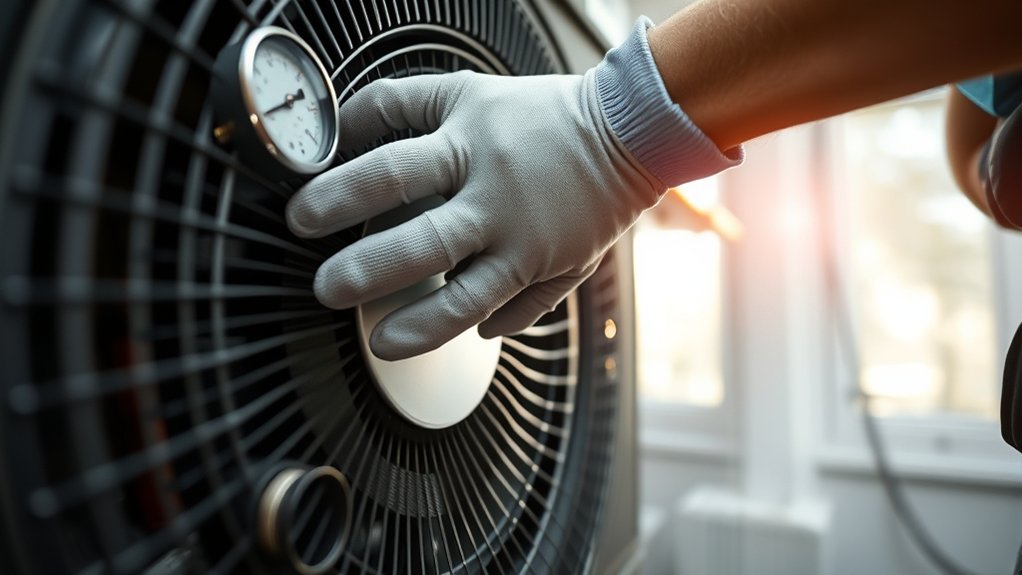
When you schedule a professional AC service, the technician starts by inspecting and cleaning important parts like the coils and filters. This helps keep the heat transfer and airflow working efficiently.
Next, they check the refrigerant levels and add more if needed to make sure your system stays cool.
They also take a close look at the electrical components to make sure all connections are secure and to prevent any potential problems.
Component Inspection And Cleaning
You can expect a professional AC service to include a thorough inspection and cleaning of critical components like the evaporator and condenser coils to maintain efficient heat transfer.
During component inspection, technicians identify dirt, debris, or corrosion that could impede performance.
Cleaning air filters and coils enhances airflow and system efficiency, preventing unnecessary strain. Technicians also check and lubricate moving parts to reduce friction and wear, ensuring smoother operation and longer equipment life.
Electrical components, including wiring and switches, undergo careful examination to guarantee safety and proper function.
This extensive approach during a professional AC service not only preserves peak cooling performance but also reduces the risk of breakdowns and costly repairs.
Regular component inspection and cleaning are essential for maintaining your system’s reliability and indoor air quality.
Keeping up with these tasks helps your AC run smoothly and keeps the air you breathe clean.
Refrigerant Level Check
A professional AC service includes a critical step of checking refrigerant levels to confirm your system contains the correct amount for peak cooling performance.
During AC maintenance, technicians measure refrigerant levels to verify efficiency and prevent damage. If levels are low, it may signal a leak that requires repair before adding more refrigerant.
Maintaining proper refrigerant levels is essential for energy efficiency and compressor longevity.
It’s a simple step that makes a big difference in how well your AC runs and how long it lasts.
Here’s what happens during this check:
- Technicians measure refrigerant pressure to assess current levels.
- They inspect for leaks if levels are below ideal.
- Any identified leaks are repaired promptly.
- Refrigerant is recharged only after confirming system integrity.
Regular refrigerant level checks enhance performance and extend your AC unit’s lifespan.
Keeping up with this helps avoid costly repairs and keeps your home comfortable all season long.
Electrical System Assessment
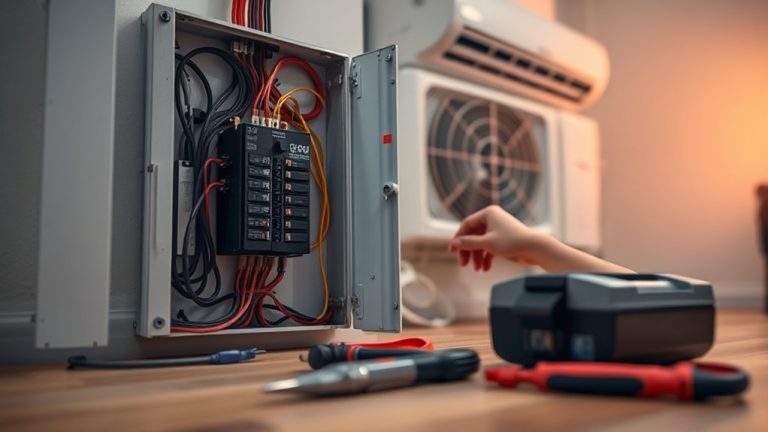
Anyone relying on their air conditioner should understand that an electrical system assessment is a vital part of professional AC service. HVAC technicians meticulously inspect wiring and connections for damage, guaranteeing safety and reliability. They test the thermostat’s accuracy and communication with the unit, which is fundamental for efficient operation.
The assessment also involves verifying circuit breakers and fuses to prevent overloads and potential hazards.
| Component Inspected | Purpose |
|---|---|
| Wiring and Connections | Confirm security and detect damage |
| Thermostat | Test accuracy and communication |
| Circuit Breakers and Fuses | Verify functionality and safety |
This thorough electrical system assessment enhances performance and minimizes unexpected breakdowns. It helps keep your AC running at its best.
Filter Replacement and Cleaning Tips Between Services
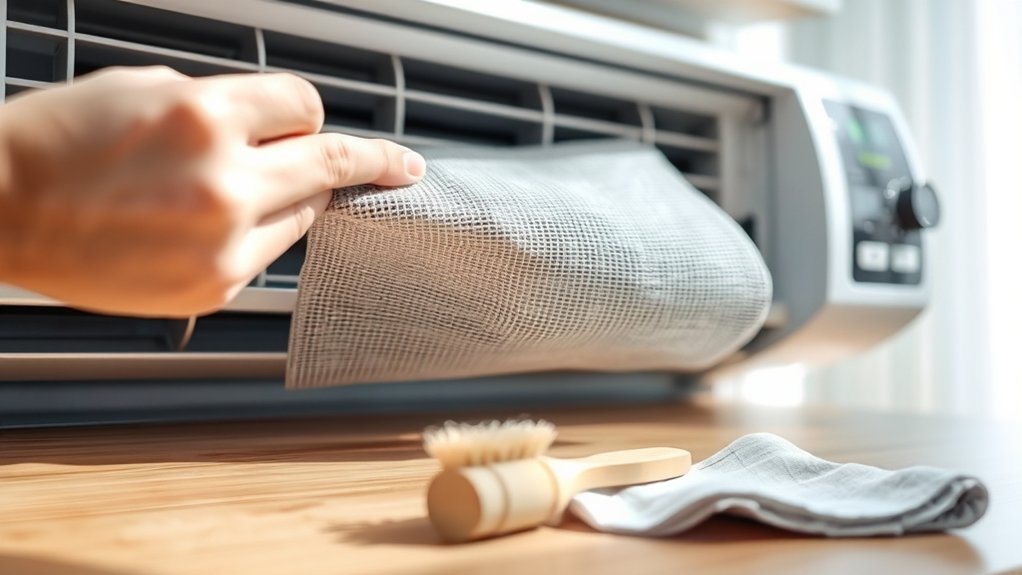
You should replace or clean your HVAC filters every three months to keep the airflow just right.
If you have pets, you might want to check them more often since pet hair can clog things up faster. For standard filters, a quick vacuum or a wash with mild detergent usually does the trick.
When it comes to media filters, though, it’s best to replace them every 9 to 12 months to make sure they’re working efficiently.
Keeping your filters clean not only helps your system run smoothly but also improves your indoor air quality by cutting down on dust and allergens.
It’s a simple step that makes a big difference!
Filter Replacement Frequency
HVAC filters require replacement every three months to maintain system efficiency and air quality. Homes that have pets might need changes as often as every month. Understanding filter replacement frequency is essential to guarantee your air conditioner operates effectively and your indoor air remains clean.
Follow these guidelines on a regular basis:
- Replace standard HVAC filters every 3 months.
- For homes with pets, change filters monthly to reduce allergens.
- Media filters demand replacement every 9 to 12 months to preserve airflow.
- Inspect filters monthly during cooling seasons and replace as needed.
Regular replacement prevents dust buildup, maintains airflow, and reduces energy consumption.
Staying on top of your filter replacement frequency helps your system run smoothly and lowers utility costs.
It’s a simple habit that can save you money and keep your home comfortable.
Cleaning Methods And Tools
Maintaining ideal airflow and system efficiency goes beyond timely filter replacements. It also involves proper cleaning techniques between service intervals. To prevent clogged filters and maintain peak performance, routinely inspect the air filter located along the return duct or behind return grilles in room units.
Use a vacuum or damp cloth as effective cleaning methods to remove accumulated dust and debris. For media filters, plan replacements every 9-12 months. Standard filters require monthly or bi-monthly checks during the cooling season.
Also, clear the condensate drain each season by pouring a cup of vinegar down it to avoid blockages. Incorporating these cleaning methods into your routine maintenance helps sustain airflow.
It prevents system strain and supports overall air conditioner efficiency between professional services.
Impact On Air Quality
Air quality hinges considerably on the condition of your air conditioner’s filters. Proper maintenance of HVAC filters directly impacts indoor air quality and system efficiency.
To keep your air conditioning system performing at its best, follow these essential tips:
Replace or clean HVAC filters every three months; homes with pets may require more frequent changes.
Inspect filters located in return ducts or behind return grilles monthly during the cooling season. Avoid clogged filters to prevent dust and allergens from circulating, which degrade indoor air quality and can cause respiratory issues.
Maintain clean indoor and outdoor coils to support airflow and reduce energy consumption.
Regular filter upkeep preserves air quality, reduces strain on your AC, and guarantees consistent system performance.
Signs Your Air Conditioner Needs Servicing Sooner
If you notice weak airflow or hear unusual noises like rattling or hissing from your system, these are clear indicators that your air conditioner needs servicing sooner than scheduled. These signs your A/C exhibits often point to potential issues within your air conditioning system that require immediate attention.
Taking care of these problems early can help prevent further damage or inefficiency.
| Sign | Potential Issue |
|---|---|
| Weak airflow | Blocked ducts or failing blower motor |
| Rattling/hissing noises | Loose components or debris in the system |
| Spike in energy bills | Reduced efficiency due to wear or leaks |
| Reduced cooling capacity | Refrigerant problems or clogged filters |
| Unpleasant odors | Microbial growth or overheating components |
Addressing these signs promptly guarantees your system operates safely and efficiently. Don’t wait too long or you might end up with bigger headaches down the road!
How Your AC’s Age and Refrigerant Type Affect Service Needs
Your AC’s age really plays a big role in how often it needs servicing. Most units last about 10 to 15 years, but once they get older, they usually need more frequent check-ups to keep running efficiently.
Also, if your system uses R-22 refrigerant—which has been phased out since 2020—getting it serviced can be a bit more expensive and tricky because the refrigerant is harder to find.
Knowing these details can help you plan maintenance better and figure out when it might actually make more sense to replace your unit instead of just fixing it.
AC Unit Lifespan
The lifespan of an AC unit directly influences its maintenance requirements and service frequency. Typically, they last between 10 to 15 years, but some well-maintained models can go up to 20 years. As your AC unit gets older, maintenance becomes even more important to keep it running efficiently and avoid breakdowns.
Here’s what you need to keep in mind:
- Units older than 10 years need more frequent inspections because of wear and outdated parts.
- Regular maintenance not only helps your AC last longer but also cuts down on unexpected failures.
- Older refrigerants used in aging units can make repairs trickier and might mean you need to upgrade your system.
- Since repair costs on older units can get pretty high, replacing the unit is often more cost-effective than constantly fixing it.
Knowing these things will help you plan your AC’s service schedule better and keep it running smoothly over time.
R-22 Refrigerant Phase-Out
Although many older air conditioners still operate using R-22 refrigerant, its phase-out since January 1, 2020, has considerably impacted service requirements and costs. Units manufactured before this date rely on R-22, which has become scarce and expensive, increasing repair expenses.
As your AC ages, especially beyond 10 years, maintaining systems with R-22 refrigerant can become inefficient. This often leads to frequent breakdowns and rising energy bills.
To keep your air conditioner running well, you’ll need more frequent servicing to detect leaks and optimize performance.
But here’s the thing — this mightn’t be cost-effective in the long run. Considering these factors, it’s a good idea to evaluate replacement options.
Continuing to service an R-22 system usually ends up costing more and results in less efficiency compared to newer models using environmentally friendly refrigerants.
How Regular Servicing Prevents Costly Breakdowns
When you schedule regular servicing for your air conditioner, you greatly reduce the risk of unexpected breakdowns that can disrupt your comfort and lead to high repair costs.
Regular servicing means thorough inspections and maintenance that keep your system running efficiently and reliably.
Regular servicing involves detailed inspections and upkeep to ensure your air conditioner runs smoothly and efficiently.
Here’s how servicing prevents costly breakdowns:
- It detects refrigerant leaks and airflow issues early on, helping you avoid severe damage.
- It cleans and lubricates components, which reduces wear and extends the life of your system.
- Servicing helps identify minor faults before they turn into major failures.
- It also boosts energy efficiency, lowering your operational costs and reducing strain on parts.
Keeping up with regular servicing really pays off in the long run!
Why AC Maintenance Contracts Are Worth It
Investing in an AC maintenance contract guarantees you receive biannual inspections tailored to prepare your system for both cooling and heating seasons. These regular check-ups optimize your unit’s peak performance, preventing unexpected breakdowns and extending its lifespan.
AC maintenance contracts also offer priority service during emergencies, reducing downtime when you need repairs most. By identifying and addressing minor issues early, these contracts help maintain efficient energy use, lowering your utility bills.
Plus, you benefit from discounted rates on parts and accessories, leading to substantial long-term savings.
Ultimately, AC maintenance contracts provide a proactive, cost-effective approach to sustaining your system’s reliability and efficiency throughout the year. This means uninterrupted comfort and fewer costly repairs.
Choosing the Right AC Service Provider
How do you guarantee your air conditioner receives the best care possible? Choosing the right AC service provider is essential for optimal performance and longevity. Focus on these key factors:
- Opt for family-owned companies like Terry’s A/C & Heating for personalized service and community trust.
- Verify experience with residential and light commercial systems to match your specific needs.
- Review customer reviews to assess reliability and service quality before committing.
- Confirm they offer thorough maintenance plans, including biannual inspections and priority emergency service.
Also, make sure the provider is licensed and insured to protect you during service.
How to Schedule Your AC Service for Maximum Efficiency
Why schedule your AC service at specific times of the year? Performing maintenance twice annually, ideally in early spring and fall, prepares your AC for seasonal temperature shifts and guarantees efficient operation.
Scheduling service in early spring lets technicians inspect and fix issues before peak summer demand. Regular maintenance catches potential problems early, which helps you avoid costly repairs and keeps your system running efficiently.
Early spring service helps catch issues before summer, preventing costly repairs and ensuring efficient operation.
To get the most out of your service, think about maintenance contracts. They offer priority service and discounted parts, making seasonal upkeep easier.
Also, booking your AC service during off-peak hours can cut down wait times and ensure you get prompt technician attention.
Frequently Asked Questions
Can I Service My Air Conditioner Myself Safely?
Yes, you can service your air conditioner yourself safely by following some simple DIY safety tips.
Always remember to turn off the power before you start working. Using essential tools like a multimeter and a fin comb can make the job easier and safer.
Avoid common mistakes such as neglecting electrical connections or over-tightening components.
It’s best to stick to basic tasks like cleaning filters and clearing debris around the unit. These steps can help keep your air conditioner running smoothly.
If you come across complex repairs, it’s a good idea to call a professional. This will help prevent any damage to your unit or potential injury to yourself. Better safe than sorry!
How Does Servicing Affect My Ac’s Energy Consumption?
Just like a steam engine needs regular oiling, your AC requires consistent maintenance frequency to run smoothly.
Servicing directly improves energy efficiency by cleaning filters and checking refrigerant levels. These are essential energy efficiency tips that prevent your unit from overworking.
This maintenance optimizes performance, reducing energy consumption by up to 15%. Neglecting it can spike usage by 30%.
What Tools Do Professionals Use During AC Servicing?
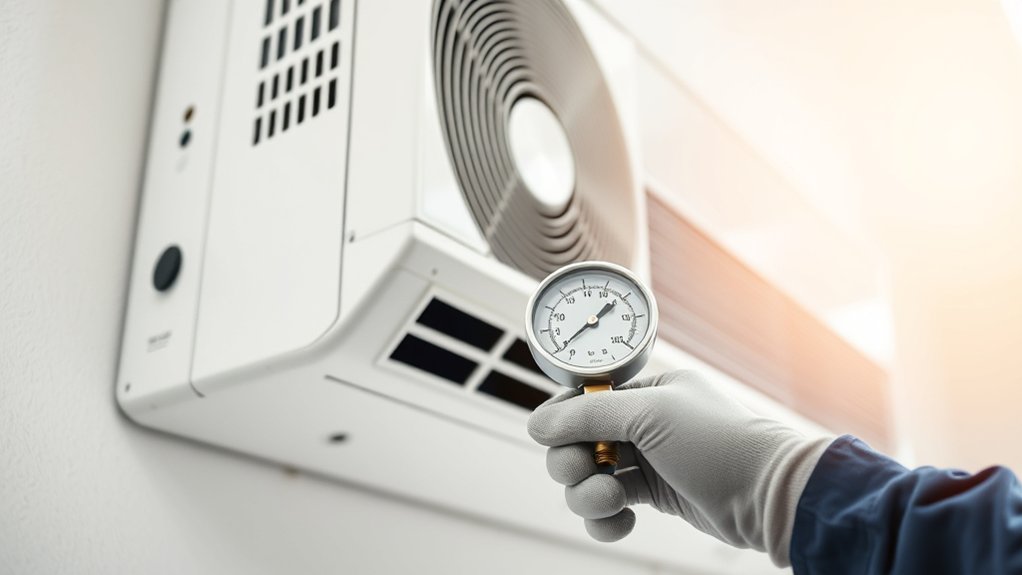
You’ll find professionals rely on specific AC maintenance tools during servicing. They use pressure gauges to monitor refrigerant levels accurately, ensuring peak system performance.
Refrigerant handling requires vacuum pumps to remove air and moisture from the lines, preventing damage.
Multimeters check electrical components for voltage and continuity, while coil brushes and sprays clean coils for efficient heat exchange.
Thermometers measure temperature differentials, confirming your AC operates efficiently.
These tools keep your system running smoothly.
Are There Eco-Friendly Options for AC Maintenance?
Yes, you can choose eco-friendly options for AC maintenance that prioritize sustainable practices.
Using eco-friendly refrigerants reduces environmental impact by lowering greenhouse gas emissions. Installing energy-efficient filters improves airflow and reduces energy consumption, enhancing overall system efficiency.
Furthermore, opting for biodegradable cleaning agents and non-toxic lubricants supports greener servicing methods.
These technical tweaks help you maintain comfort while minimizing your carbon footprint and promoting a more sustainable cooling solution.
It’s a smart way to keep things cool and kind to the planet at the same time!
How Long Does a Typical AC Servicing Appointment Take?
A typical AC servicing appointment usually takes between 60 to 90 minutes. The exact time depends on your unit’s condition and the technician’s experience.
During the visit, the technician will check refrigerant levels, clean coils, and inspect electrical components.
How often you service your AC also affects how long the appointment will last. Regular maintenance helps avoid complicated problems, which means future visits can be quicker and smoother.
To make the appointment go faster, try to keep the unit easily accessible.
Also, sharing your service history with the technician can help them work more efficiently and keep your system running well.
Conclusion
Regular air conditioner servicing is essential to keep your system running efficiently. Did you know that properly maintained AC units use up to 15% less energy? Scheduling service during spring and fall, replacing filters as needed, and addressing early warning signs can prevent costly breakdowns.
By choosing a reliable provider and possibly investing in a maintenance contract, you’ll extend your unit’s lifespan and save on energy bills. Don’t wait, prioritize your AC’s health today.