How Long Do Air Conditioner Units Last With Proper Maintenance
With proper installation and consistent maintenance, your air conditioner can last between 15 and 20 years. Factors like climate and usage impact longevity. For example, hotter or coastal areas may reduce it to 7 to 15 years.
Regular tasks like cleaning filters and scheduling professional tune-ups keep your system efficient and extend its life. Aging units often face efficiency drops and higher costs.
Understanding these details helps you make informed decisions about upkeep and potential replacement options. It’s all about staying ahead and getting the most from your AC.
How Long Do Air Conditioner Units Typically Last
Although air conditioner units can last well over 20 years with proper care, most typically operate efficiently for 15 to 20 years. Your HVAC system’s life expectancy heavily depends on consistent maintenance. Neglecting routine inspections and cleaning can reduce the unit’s efficiency and accelerate wear, sometimes causing failure in as little as 10 years.
Proper installation and using high-quality components also play critical roles in extending the air conditioner’s lifespan. Regularly maintaining your unit guarantees peak airflow and system performance, preventing common issues like clogged filters or refrigerant leaks.
By following a strict maintenance schedule, you preserve the unit’s efficiency and maximize its operational life. This ultimately saves you money on premature replacements and costly repairs.
How Climate and Usage Affect Air Conditioner Longevity
Because climate and usage patterns directly influence the operational demands on your air conditioner, they play a crucial role in determining its lifespan.
Climate and usage patterns significantly impact your air conditioner’s operational demands and overall lifespan.
In hotter climates, like Houston, increased usage raises stress on components, reducing longevity to 10-15 years versus 15-20 years in cooler areas. Coastal environments accelerate corrosion from humidity and salt air, often limiting units to 7-10 years despite proper maintenance.
Your usage habits also matter. Moderate, consistent thermostat settings minimize wear by preventing frequent cycling, which enhances efficiency and lifespan.
Quality insulation in your home reduces the system’s workload, allowing it to operate more efficiently and extend longevity.
Regardless of climate, regular maintenance, like cleaning filters and monitoring refrigerant, remains essential to preserving efficiency and maximizing the operational life of your air conditioner.
Why Proper Installation Matters for Air Conditioner Durability
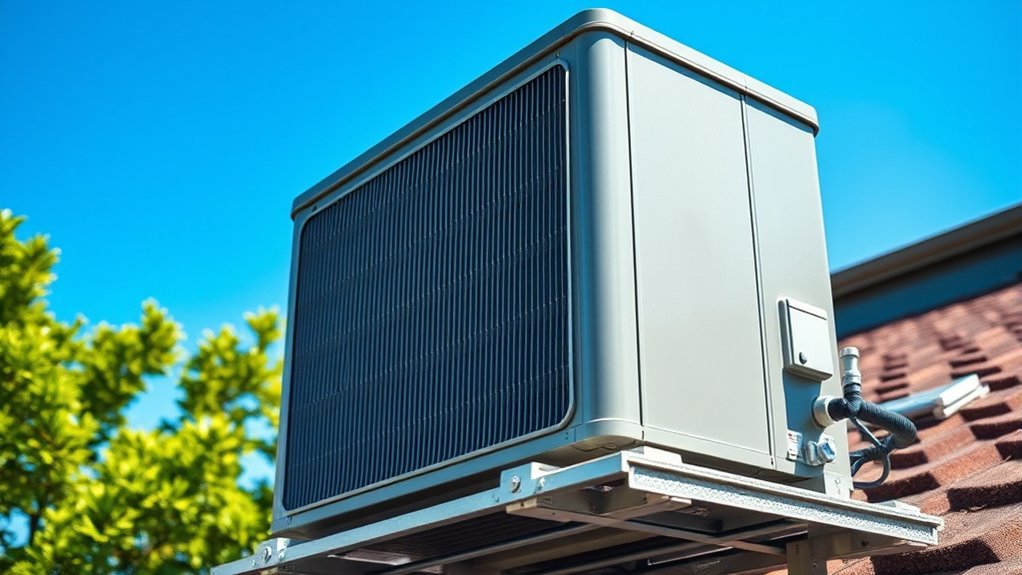
When you install your air conditioner correctly, you guarantee it operates at peak efficiency, which directly extends its lifespan. Proper installation of air conditioning units ensures the system functions within manufacturer specifications and local codes, reducing unnecessary wear and tear.
Incorrect installation often causes airflow imbalances and improper refrigerant charge, forcing the HVAC system to work harder and lowering energy efficiency.
Also, selecting the right unit size is critical. Oversized or undersized units increase mechanical stress and accelerate component failure.
By following proper installation protocols, you minimize the risk of premature breakdowns and costly repairs. This effectively maximizes the system’s lifespan.
How Regular Maintenance Extends Air Conditioner Lifespan
You can really boost your air conditioner’s lifespan by scheduling regular maintenance. This means getting professional tune-ups and doing some preventive care.
These tune-ups help keep your system running smoothly and catch any potential problems early on, before they turn into big issues.
Preventive Care Benefits
Although air conditioners have an average lifespan of 15 to 20 years, regular preventive maintenance can greatly extend their operational life. By sticking to a routine of regular maintenance and annual inspections, you make sure your unit runs at peak efficiency and avoid unexpected breakdowns.
Preventive care helps you maintain efficient operation by keeping components clean and free of debris. It also lets you catch minor repairs early, so you don’t end up with costly replacements down the line.
Plus, enhancing insulation and ductwork reduces the system’s workload and helps your AC last longer. Taking this proactive approach reduces strain on your system, allowing it to perform effectively while considerably extending the lifespan of your air conditioner.
When you prioritize preventive care, you’re making sure you get the most value and reliability from your investment.
Tune-Up Importance
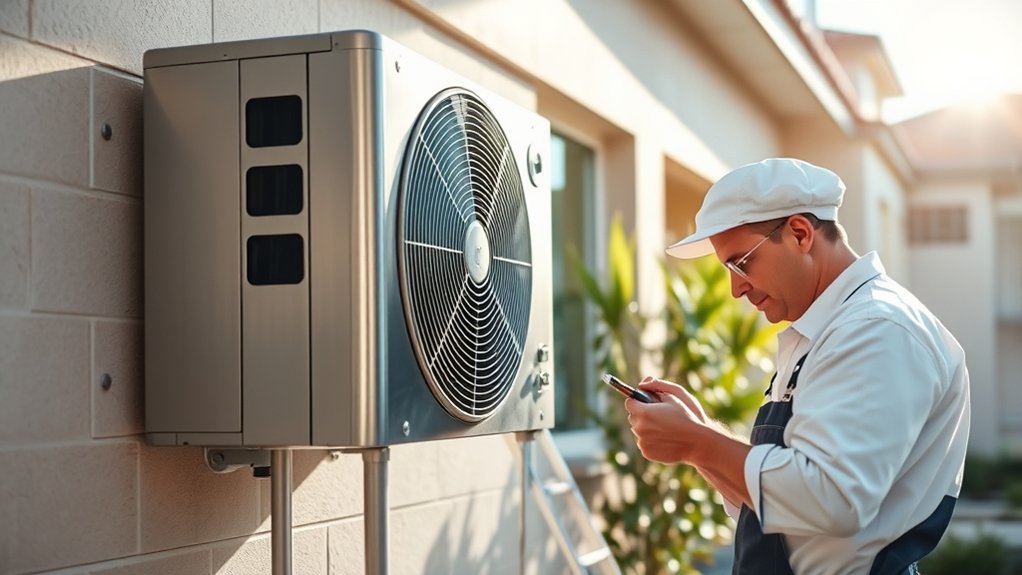
Building on routine preventive care, regular tune-ups play an essential role in maximizing your air conditioner’s lifespan. When an HVAC technician performs tune-ups as part of regular maintenance, they check refrigerant levels, inspect electrical components, and clean coils. These tasks enhance system efficiency, helping you extend lifespan and reduce energy bills.
Neglecting tune-ups can lead to inefficiencies and costly repairs. So, it’s really worth keeping up with them to avoid bigger problems down the line.
| Maintenance Task | Purpose | Benefit |
|---|---|---|
| Refrigerant Check | Verify correct levels | Ideal cooling performance |
| Electrical Inspection | Identify wear and faults | Prevent system failures |
| Coil Cleaning | Remove debris and buildup | Improve airflow & efficiency |
Regular tune-ups keep your AC unit operating at peak performance and extend its operational life considerably. Staying on top of these maintenance tasks means your system runs smoothly and saves you money in the long run.
Early Issue Detection
When regular maintenance uncovers issues early, it prevents minor faults from developing into costly repairs that shorten your air conditioner’s lifespan.
Early issue detection through routine inspections by an HVAC professional helps you catch problems before they escalate. This allows you to extend the life of your air conditioning system.
Regular maintenance tasks like cleaning condenser coils and checking refrigerant levels maximize performance and boost energy efficiency.
It’s really about staying ahead of the game so your system runs smoothly for longer.
Key benefits of early issue detection include:
- Preventing breakdowns by addressing wear and tear promptly
- Maintaining peak energy efficiency to reduce operational costs
- Extending the functional life of your system through timely repairs
What Maintenance Tasks Keep Air Conditioner Units Running Smoothly
You should change or clean your air filters every 1-3 months to keep the airflow ideal and your system running efficiently.
It really makes a difference in how well your AC performs.
Also, don’t forget to regularly clean the condenser and evaporator coils.
This helps improve heat exchange and boosts overall performance.
On top of that, it’s a good idea to schedule annual professional tune-ups.
They can catch any issues early on and keep your unit running smoothly for the long haul.
Air Filter Care
Although often overlooked, air filter care plays an essential role in keeping your air conditioner running efficiently. Proper maintenance of air filters guarantees peak airflow, prevents system strain, and supports indoor air quality. Neglecting this task can increase energy bills and shorten your unit’s lifespan.
To maintain your air conditioner effectively, you should replace or clean air filters every 1-3 months to keep them clean and prevent clogging. Also, monitor indoor air quality by making sure filters trap dust and allergens efficiently.
By keeping filters clean, you avoid increased energy bills and reduce system workload. Consistent air filter care extends the lifespan of your AC unit by minimizing wear on components and sustaining performance.
It really is a vital step in your maintenance routine.
Coil Cleaning Importance
Since condenser and evaporator coils play an essential role in heat exchange, keeping them clean directly impacts your air conditioner’s efficiency and longevity.
Regular coil cleaning enhances heat transfer, allowing your unit to maintain peak performance while reducing energy consumption.
Dirty coils force the system to work harder, which increases wear and the risk of breakdowns. This can shorten the overall lifespan of your air conditioner.
For proper maintenance, clean coils at least once a year, ideally before the cooling season begins.
This helps prevent debris buildup that impedes airflow and causes overheating.
It’s best to have a professional handle this because their specialized knowledge prevents damage during coil cleaning.
Professional Tune-Up Benefits
A professional tune-up once a year plays an essential role in keeping your air conditioner running smoothly and efficiently. This maintenance not only boosts system efficiency but also extends the lifespan by addressing issues early through preventive measures.
During the tune-up, technicians focus on inspecting electrical connections, refrigerant levels, and thermostat accuracy to optimize performance.
They also clean coils and replace filters, which enhances airflow and reduces energy consumption.
Plus, they check for refrigerant leaks and ensure proper airflow to prevent costly repairs.
It’s all about catching problems before they become big headaches.
How to Spot When Your Air Conditioner Is Nearing the End
How can you tell when your air conditioner is approaching the end of its useful life? Typically, air conditioners last 15 to 20 years with proper maintenance. But units over 15 years old are often nearing the end.
Key signs include frequent repairs, unusual noises, and inconsistent cooling performance. If you notice these issues, it may be time to replace your unit.
Another critical indicator is a consistent increase in energy bills, which signals inefficiency.
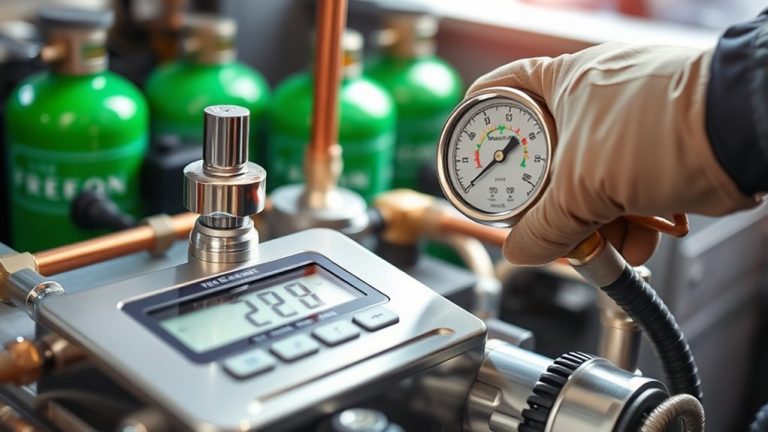
Also, if your system uses R-22 Freon, any need to refill this phased-out refrigerant should prompt replacement because of environmental regulations.
Keeping an eye on these signs and maintaining your unit well helps you know when it’s best to replace your air conditioner. That way, you can ensure reliable and efficient operation.
How Aging Air Conditioners Impact Energy Efficiency and Bills
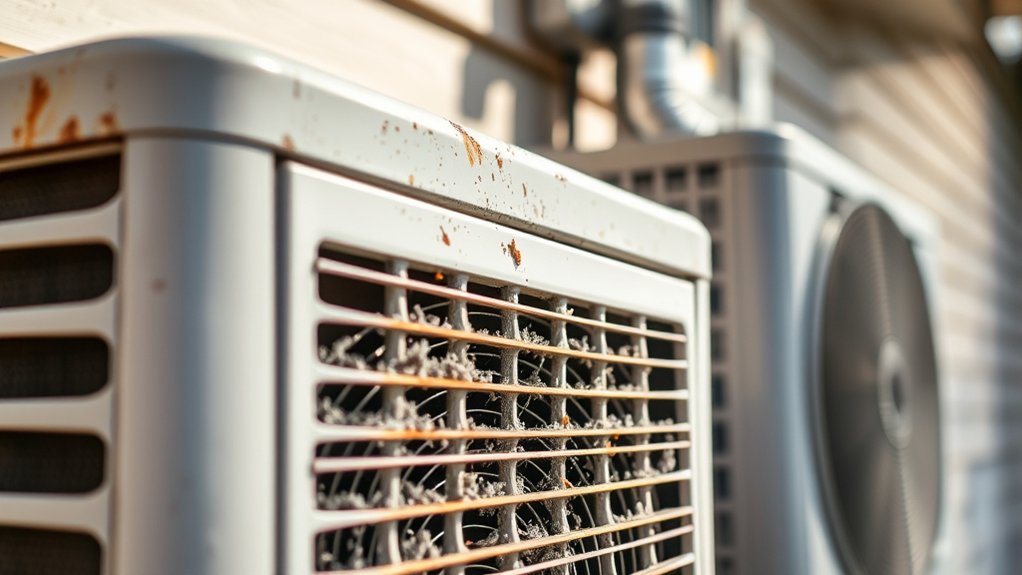
As your air conditioner gets older, it tends to use more energy because important parts like compressors and coils don’t work as efficiently.
When your unit is over 10 years old, it often has a hard time keeping things cool, which means your system has to work extra hard. And that extra effort? It usually leads to higher utility bills.
Knowing how aging affects your AC can help you figure out when repairs might end up costing more than they’re worth.
That’s when it’s a good idea to start thinking about whether it’s time for a replacement.
Rising Energy Consumption
Over time, your air conditioner’s energy consumption tends to climb because aging parts don’t work as efficiently. As your HVAC system gets older, components wear out, which means it uses more energy and your bills go up.
Regular maintenance can help slow this down, but units over 15 years old usually aren’t as efficient as newer models.
To manage rising energy consumption, try to replace your air filters regularly. This keeps the airflow steady and reduces strain on the system.
Also, schedule routine maintenance to catch any worn parts early before they cause bigger problems.
Keep an eye on your energy bills too. If you notice sudden spikes, it could mean your system is struggling.
Older air conditioners, especially those using outdated refrigerants like R-22 Freon, need more electricity to keep things cool.
In the end, rising energy use is often a sign that it might be time to think about upgrading your system. Newer models are more efficient and can save you money in the long run.
Efficiency Decline Over Time
Energy efficiency naturally declines in air conditioners that have been in operation for 10 to 15 years or more. This causes your energy bills to rise as the system works harder to maintain set temperatures.
Older units often experience reduced compressor and refrigerant effectiveness, which can increase energy consumption by 20-30%.
If your unit uses outdated refrigerants like R-22, leaks can further reduce efficiency and inflate repair costs. While regular maintenance helps slow this decline, worn components inevitably lead to higher operational expenses.
Frequent repairs signal inefficiencies that your HVAC contractor can diagnose.
But keep in mind, continued upkeep may become less cost-effective over time. Understanding this gradual efficiency loss can help you decide when replacement outweighs repair.
That way, you can manage your energy bills more effectively.
Impact Of Aging Components
When air conditioner components age, their ability to operate efficiently diminishes. This causes your system to consume more power just to maintain the set temperatures.
Aging air conditioners experience reduced energy efficiency as critical parts wear down, which leads to higher energy bills.
Over time, compressors and coils deteriorate. This forces your air conditioning system to work harder and use more electricity.
Even if you keep up with regular maintenance, these inefficiencies tend to add up.
Here are some key impacts to keep in mind: increased energy consumption due to worn components, outdated technology in units over 10 years old that reduces efficiency, and persistent higher energy bills signaling that performance is declining.
Knowing how aging components affect energy efficiency can help you anticipate rising operational costs.
It also makes it easier to decide when it’s time to replace your system to keep it running at its best.
What You Should Know About R-22 Freon and Replacing Your AC
Although many older air conditioning units still operate using R-22 Freon, this refrigerant was officially phased out as of January 1, 2020. This change has made it increasingly difficult and expensive to maintain systems that rely on it.
Since R-22 Freon is no longer produced due to its ozone-depleting properties, any repair requiring refrigerant means costly refills or even a system replacement. Proper maintenance can help extend the life of your AC unit.
But with the rising price and scarcity of R-22, overall efficiency drops and operating costs go up.
Newer air conditioning units use alternative refrigerants that meet current environmental standards. These options offer better efficiency and lower emissions.
If your system depends on R-22, it’s a good idea to evaluate replacement options. This will help you align with sustainability goals and ensure reliable, cost-effective cooling performance.
Is It Time to Repair or Replace Your Air Conditioner?
How can you determine whether to repair or replace your air conditioner? When AC units last beyond 15 years, frequent breakdowns and rising energy costs are clear signs your air conditioner needs reassessment.
An experienced HVAC technician can help you decide to repair or replace based on these factors.
A skilled HVAC technician can guide your decision to repair or replace your air conditioner effectively.
Consider the age of the unit. If it’s older than 15 years, replacement often makes more sense.
Also, keep an eye on your energy bills. If they keep going up, it might mean your AC isn’t running efficiently.
Another thing to check is the refrigerant type. Units that use the phased-out R-22 Freon can be costly to maintain and may be better off replaced.
Regular AC maintenance definitely helps extend the life of your unit.
But once repairs become frequent and expensive, replacing it usually turns out to be more cost-effective.
Watching for these signs helps you stay comfortable and save money without giving up performance.
How to Maximize Your Air Conditioner’s Lifespan
Deciding whether to repair or replace your air conditioner often comes down to its condition and longevity. To maximize your AC’s lifespan, prioritize regular maintenance, including annual professional inspections.
These inspections identify potential issues early, ensuring efficient operation and preventing costly breakdowns. Change or clean air filters every 1-3 months to maintain ideal airflow and reduce system strain.
Keep outdoor units clear of debris and vegetation to support efficient operation. Proper installation and correct sizing are essential; an undersized or oversized unit increases wear and shortens lifespan.
Furthermore, monitor refrigerant levels to avoid performance problems and costly repairs. By sticking to these AC maintenance practices, you’ll extend your air conditioner’s lifespan well beyond the average 15-20 years.
This way, you can enjoy reliable and efficient cooling all year round.
Frequently Asked Questions
Can Air Conditioners Be Recycled or Disposed of Safely?
Yes, you can recycle air conditioners safely by using local services that follow disposal regulations.
Proper recycling options guarantee safe handling of refrigerants and component recovery of metals and plastics. This helps minimize the environmental impact.
Always check your area’s specific disposal regulations before proceeding.
Certified professionals remove hazardous materials like refrigerants to protect the environment.
What Are Common Signs of Refrigerant Leaks?
You’ll notice signs of refrigerant loss like reduced cooling, hissing sounds, or ice buildup on coils during refrigerant leak detection.
These leaks impact efficiency, causing higher energy bills and poor airflow.
Ignoring health risks leaks pose can worsen indoor air quality.
While DIY leak checks can spot obvious issues, you should schedule professional refrigerant leak repair to guarantee thorough detection and safe handling.
This helps maintain your system’s performance and safety.
How Do Smart Thermostats Affect AC Unit Lifespan?
Imagine your AC lasting years beyond the usual span. Smart thermostat benefits make that possible. By mastering usage patterns and optimizing temperature control, these devices enhance energy efficiency and reduce unnecessary wear.
They also send maintenance reminders to keep your system in peak condition, which helps prevent costly breakdowns. This precision not only cuts energy bills but also extends your AC’s lifespan through smarter, consistent operation.
Are There Eco-Friendly Refrigerant Alternatives Available?
Yes, you’ll find eco-friendly options like R-410A and R-32 refrigerant types designed to reduce environmental impact.
These alternatives offer higher energy efficiency and align with recent regulatory changes pushing for sustainable cooling solutions.
Industry innovations have focused on these refrigerants to improve system performance and lower greenhouse gas emissions.
Choosing units with these refrigerants helps you meet compliance standards while supporting eco-conscious, efficient cooling technologies.
How Often Should AC Ducts Be Professionally Cleaned?
You should schedule duct cleaning every 3 to 5 years for standard conditions, but more often if pets or smokers are around.
Getting a professional to clean your ducts helps improve air quality by removing dust buildup that can slow down your system.
DIY cleaning tips are great for keeping surfaces looking clean, but they don’t replace the thorough seasonal maintenance experts recommend.
This kind of care prevents allergens from building up and keeps your HVAC running smoothly.
Regular duct maintenance can also extend the life of your AC and lower your energy bills.
Conclusion
Think of your air conditioner as a finely tuned instrument. It performs best when cared for regularly. With proper maintenance, you can extend its lifespan beyond the typical 10-15 years.
This means more efficient cooling and lower energy bills. Ignoring upkeep, on the other hand, risks costly repairs and decreased performance. Staying proactive with installation, maintenance, and timely replacements will keep your system running smoothly.
In the long run, this saves you both energy and money. So, taking care of your AC is definitely worth the effort!