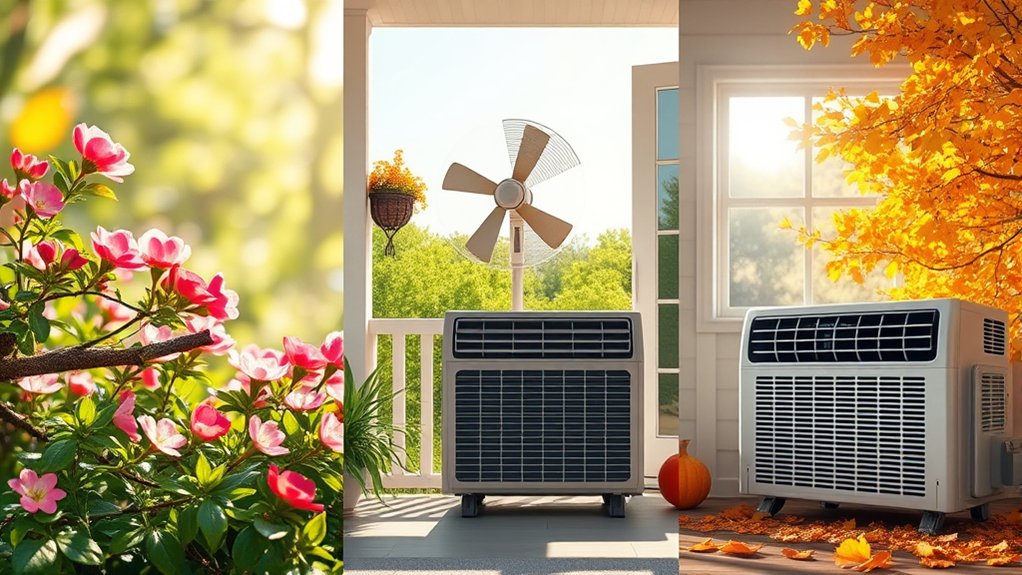
Best Time to Buy an Air Conditioner in 3 Seasons
You’ll get the best deal on an air conditioner by purchasing in the off-season, especially October through December. During this time, prices drop up to 20% and installation slots open up faster.
During peak spring and summer, expect prices to surge 10-25%. You’ll also find limited model availability and longer wait times.
Buying off-season also means access to rebates and energy-efficient options. Planning your purchase and installation carefully can save you money and hassle. There’s more to optimizing your timing for cost and convenience than just the price.
Best Times to Buy an Air Conditioner for Big Savings
Although you might be tempted to buy an air conditioner during the hottest months, the best time to secure significant savings is actually in the fall and early winter, from October through December.
This period offers ideal off-season pricing as manufacturers and retailers clear out inventory, providing discounts of 15-20%. You’ll also benefit from rebates aimed at promoting energy-efficient AC models.
Purchasing during these months means lower installation demand, allowing for quicker, more flexible scheduling.
Avoid peak summer (May-September), when prices surge 10-25% due to high demand, limiting negotiation.
Furthermore, buying in early winter aligns with available rebate programs and reduced competition, enhancing your overall savings.
Timing your purchase in fall or early winter guarantees you get the best combination of price, incentives, and installation convenience.
How Seasonal Demand and Pricing Affect AC Costs
When demand for air conditioners spikes from late spring through summer, prices rise sharply and installation slots become scarce. This drives up your overall costs. Seasonal fluctuations really impact when you buy an air conditioner.
During peak season, HVAC companies face high demand. This leads to longer installation wait times and fewer energy-efficient models available.
Off-season purchases, especially in fall and winter, offer discounts of 15-20%. That’s because suppliers are clearing inventory and rebate programs kick in.
| Season | Impact on AC Costs |
|---|---|
| Peak Season | Higher prices, limited selection, longer wait times |
| Fall – Early Winter | Discounts, better selection, shorter wait times |
| Dead Winter | Maximum discounts, rebate opportunities, low demand |
Understanding these patterns helps you optimize timing for cost-effective, energy-efficient Air Conditioners Go.
Planning and Scheduling Your Off-Season Air Conditioner Purchase
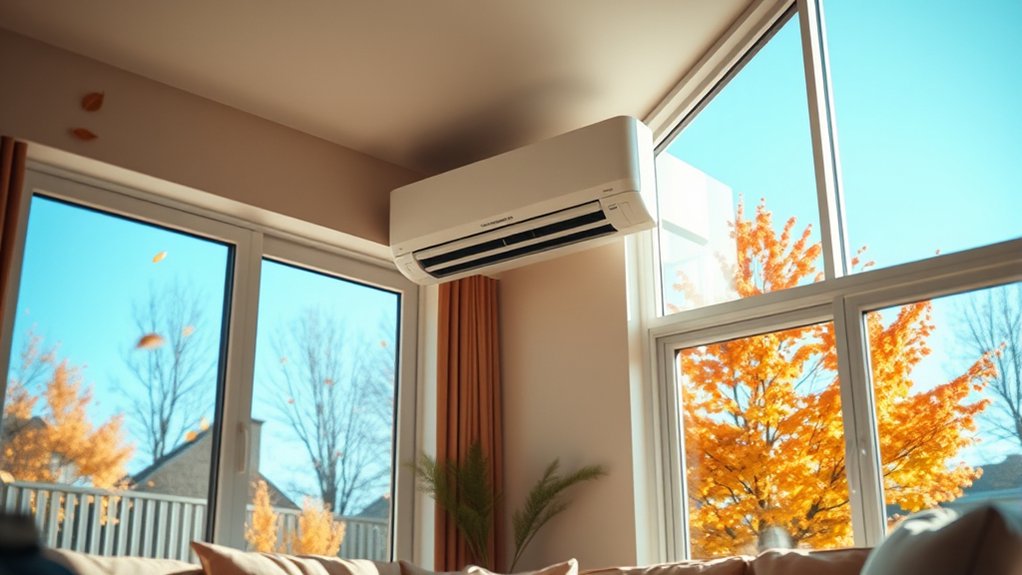
Several factors make scheduling your air conditioner purchase between October and February the most cost-effective and efficient strategy. During this off-season, demand drops, which lets HVAC companies offer better deals. You can often find 15-20% discounts and even savings on maintenance contracts.
January is especially beneficial because of rebate programs that make negotiating prices easier. Timing really matters when you buy a new AC unit. Planning ahead 3-6 months gives you plenty of time to research energy-efficient models and gather competitive quotes.
Off-season installation schedules usually get priority from technicians, so you’ll enjoy quicker, higher-quality service. Plus, buying in advance lowers the risk of emergencies and lets you make thoughtful decisions without feeling rushed.
Frequently Asked Questions
What Size Air Conditioner Is Best for My Home?
You should size your air conditioner based on your room size and cooling capacity needs, typically around 20 BTUs per square foot.
Consider air conditioner types like ductless systems or heat pumps, which offer different energy ratings and installation costs. Portable options suit smaller spaces but may lack efficiency.
Compare brands for reliability and efficiency. Proper sizing avoids inefficiency and high bills. Consulting an HVAC pro guarantees peak performance and cost-effectiveness.
It’s really worth getting the right fit to keep your home comfortable without overspending.
And if you’re unsure, a professional can help you make the best choice easily.
How Often Should I Service My Air Conditioner?
You should schedule a professional inspection at least once a year as your ideal service frequency.
Between visits, perform DIY maintenance like filter replacement and coil cleaning to maintain energy efficiency.
Seasonal checks guarantee refrigerant levels and thermostat calibration stay on point, while ductwork sealing prevents leaks.
This combined approach keeps your system running efficiently, extends its lifespan, and prevents costly breakdowns.
It helps you avoid unexpected repairs and higher energy bills.
Are Energy-Efficient AC Units More Expensive Upfront?
Think of an energy-efficient AC as planting a sturdy oak: its upfront costs are higher, often 10-30% more due to advanced unit efficiency.
However, your long-term investment pays off through significant energy savings and reduced environmental impact.
Take advantage of rebate programs, seasonal promotions, and financing options to ease initial expenses.
When comparing brands, focus on feature analysis to maximize value.
This strategic approach guarantees your choice balances cost and performance effectively.
Can I Install an Air Conditioner Myself?
You can attempt DIY installation, but it involves complex electrical considerations and requires specialized tools. Safety precautions are critical to avoid hazards.
Misjudging cooling capacity or making common mistakes like improper sealing can reduce efficiency and cause costly troubleshooting.
While DIY might offer initial cost savings, it often voids warranty implications and neglects seasonal adjustments for peak performance.
Hiring a pro guarantees compliance, proper setup, and long-term reliability. It’s usually worth the investment to ensure your air conditioner works well and lasts longer.
What Maintenance Tips Extend an AC Unit’s Lifespan?
To keep your AC humming like a well-oiled machine, regularly replace or clean the air filter and perform coil cleaning to maintain airflow.
Adjust the thermostat properly and inspect ducts for leaks to boost efficiency. Check refrigerant levels and clear the drain line to prevent water damage.
Don’t skip insulation checks and fan maintenance.
Schedule a seasonal tune-up to catch issues early and avoid costly emergency repairs. Doing these things will extend your unit’s lifespan considerably.
Conclusion
You can save up to 30% by buying an air conditioner during off-peak seasons like fall or winter when demand drops. Understanding how seasonal pricing works helps you plan your purchase strategically, avoiding the high summer costs.
By scheduling your AC purchase in these less busy months, you not only secure better deals but also guarantee timely installation before the heat hits. Smart timing means better prices and efficient cooling when you need it most.