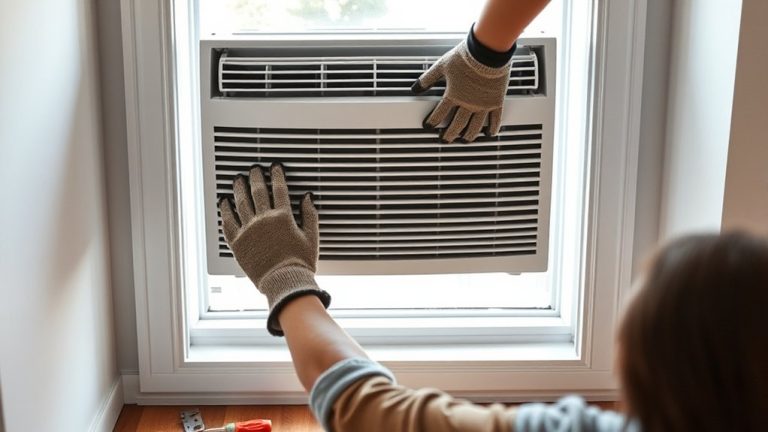
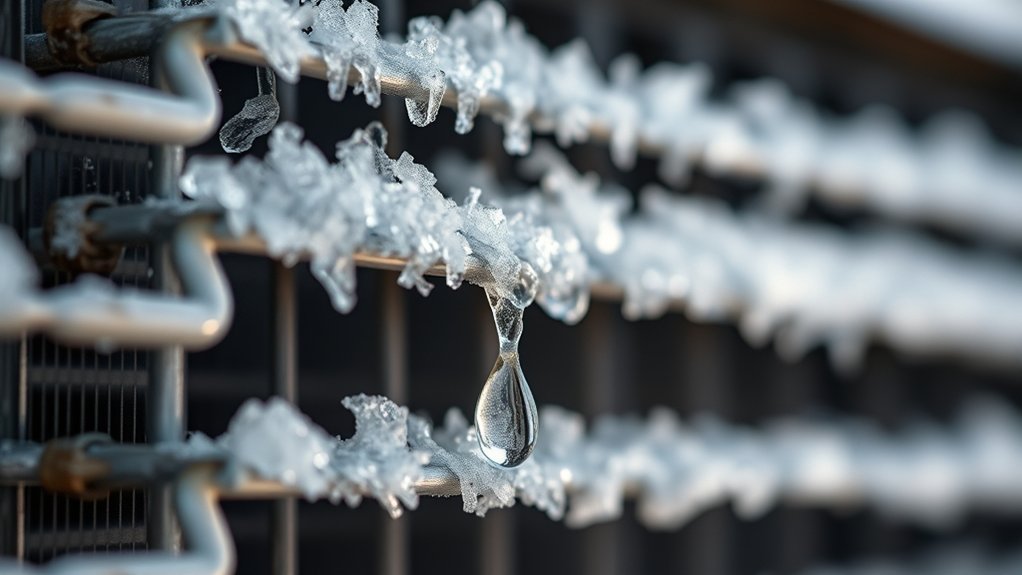
Why Is My Air Conditioner Freezing Up?
Your air conditioner is freezing up mainly because restricted airflow or low refrigerant disrupts heat exchange, causing ice on the evaporator coils. Clogged air filters, dirty coils, or faulty blower fans reduce airflow. Meanwhile, refrigerant leaks drop system pressure, both leading to freezing.
Blocked vents and dirty components make the problem worse. If you ignore this, it can harm your unit and increase your costs. So, it’s important to understand these causes.
Knowing what’s going on helps you spot and fix the issue before it gets any worse.
How to Identify If Your AC Unit Is Frozen
How can you tell if your AC unit is frozen? Start by checking the supply registers for warm air. This often means the evaporator coil is frozen and can’t cool properly.
Next, take a look at the evaporator coil and refrigerant lines for any visible ice buildup. Seeing ice is a clear sign your unit is frozen. You might also hear unusual sounds like hissing. That could point to refrigerant issues related to the frozen coil.
Don’t forget to check the air filter closely. A clogged filter restricts airflow, which often leads to ice forming on the coils. If you notice little or no airflow from the vents along with ice, your AC is probably frozen.
Keeping up with regular HVAC maintenance can really help prevent this. It ensures good airflow and clean filters, which lowers the chances of your unit freezing up.
Key Causes Behind Air Conditioner Freezing
Recognizing a frozen air conditioner is the first step, but understanding what causes it will help you prevent the problem from happening again. Key factors include restricted airflow due to clogged air filters, low refrigerant levels from leaks, dirty evaporator coils, and a malfunctioning blower fan.
Each of these issues disrupts heat transfer or air circulation, which causes ice to build up on the coils. Knowing this makes it easier to spot the problem early and fix it before things get worse.
| Cause | Effect on AC System | Result |
|---|---|---|
| Dirty Air Filters | Block airflow | Reduced heat absorption |
| Low Refrigerant | Drops system pressure | Freezing evaporator coils |
| Faulty Blower Fan | Poor air circulation over coils | Temperature drops, ice |
Taking care of these problems ensures your AC runs efficiently and keeps freezing at bay. It’s definitely worth the effort!
How Poor Airflow Leads to Frozen AC Coils
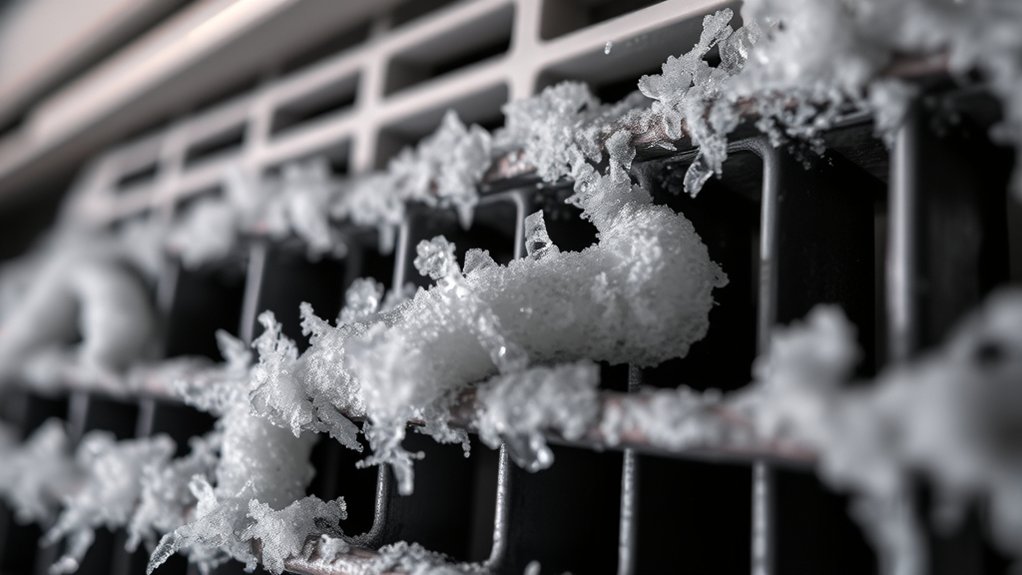
When airflow gets blocked—like when filters are clogged, vents are closed, or ducts are damaged—your evaporator coils don’t get enough warm air. This lack of airflow causes them to freeze up.
Basically, when there isn’t enough air moving through, the heat exchange slows down, and condensation starts building up on the coils, eventually turning into ice.
To avoid this problem, it’s a good idea to regularly replace your filters, keep vents clear, and check your ductwork.
Doing these simple things helps keep air flowing properly and your system running efficiently.
Causes of Airflow Blockage
If your air conditioner isn’t circulating air properly, ice can quickly form on the evaporator coils due to insufficient heat exchange. Several factors cause airflow blockage, leading to this freezing issue.
Dirty air filters restrict the flow of warm air over the evaporator coils, reducing heat transfer efficiency. Blocked vents, whether caused by furniture or debris, further impede airflow and create cold air pockets around the coils.
Moreover, a malfunctioning blower fan fails to push enough air through the system, making circulation even worse. Damaged or leaking air ducts also reduce the volume of warm air reaching the coils, which adds to the freezing problem.
Regularly inspecting and maintaining clean filters, unobstructed vents, and a functional blower fan helps ensure ideal airflow. This simple upkeep can prevent ice buildup on your AC unit and keep it running smoothly.
Impact on Evaporator Coils
Although your air conditioner relies on cool refrigerant to absorb heat, poor airflow seriously disrupts this process by lowering the temperature around the evaporator coils. When airflow is restricted because of closed vents, dirty filters, or a malfunctioning blower fan, the evaporator coils don’t get enough warm air.
This makes the refrigerant inside get too cold, which causes condensation to freeze on the coils. The freezing messes up heat exchange, cutting down cooling efficiency and possibly damaging your system.
Key factors affecting evaporator coils include:
- Blocked return vents limiting airflow circulation
- Dirty air filters reducing warm air flow over coils
- Mechanical failures such as blower fan malfunctions
Keeping up with regular maintenance is super important. It helps prevent freezing by making sure airflow stays just right across the evaporator coils.
Solutions for Better Airflow
Because poor airflow directly restricts the warm air circulating over the evaporator coils, it causes moisture to freeze instead of evaporate, leading to frozen AC coils.
To restore proper airflow, regularly replace your dirty air filter. If neglected, it can reduce airflow by up to 80%.
Check for blocked vents and registers caused by furniture or debris. These blockages restrict airflow and promote ice buildup.
Also, inspect your ductwork for damage or improper sealing. These issues can create pressure imbalances and limit warm air delivery.
Consistent HVAC maintenance guarantees all components function effectively and helps prevent freezing issues.
Why Dirty Air Filters Trigger AC Freezing
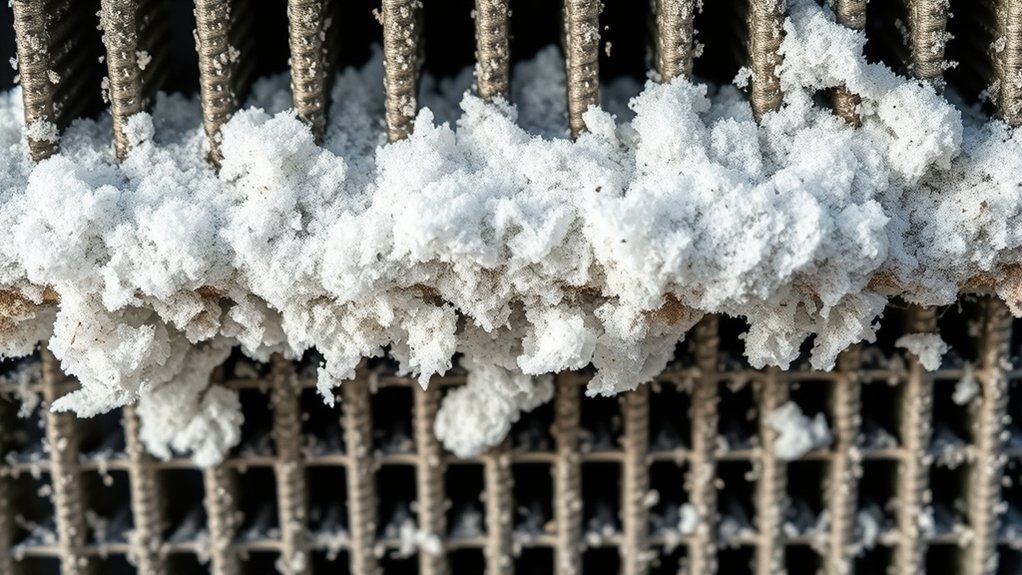
When your air filter gets dirty, it restricts airflow and stops warm air from reaching the evaporator coils. This causes the temperature to drop, and ice starts to form.
So, it’s a good idea to replace clogged filters every 30 to 90 days. Doing this helps keep airflow at its best and prevents freezing.
Plus, regular maintenance not only avoids system damage but also keeps your AC running efficiently.
Airflow Restriction Effects
If your air conditioner’s airflow is restricted because of dirty air filters, it won’t deliver enough warm air to the evaporator coils. That causes them to freeze.
Dirty air filters can reduce airflow by up to 50%, which limits heat transfer and triggers the AC to freeze.
When there isn’t enough airflow, condensation builds up on the evaporator coil. As temperatures drop, this condensation freezes. This not only messes with how your system works but also affects the quality of the indoor air.
Here are some key effects of airflow restriction:
- Increased ice buildup on the evaporator coil, which reduces cooling efficiency
- Higher energy consumption since the system has to work harder to keep things cool
- Worse indoor air quality because dust and allergens get trapped
Keeping your air filters clean makes sure you have enough airflow. It stops the coils from freezing and helps keep the air inside your home healthier.
Maintenance Frequency Importance
Neglecting to change your air filters regularly can cause airflow to drop by up to 80%, which drastically increases the risk of your air conditioner freezing.
Dirty air filters restrict air circulation over the evaporator coils. This leads to insufficient warm air that causes ice buildup.
Sticking to the right maintenance frequency, like changing filters every 30 to 90 days, keeps your airflow at its best and your system running efficiently.
HVAC maintenance helps prevent your air conditioner from freezing by making sure filters stay clean. Plus, clean filters improve indoor air quality by trapping dust and allergens.
When filters get clogged, your system has to work harder. This increases energy consumption and raises the risk of mechanical failure.
Why Low Refrigerant Makes Your AC Freeze
Because low refrigerant reduces the pressure inside your AC system, the evaporator coil temperature drops considerably. This causes moisture to freeze on its surface. Low refrigerant levels mean the refrigerant can’t absorb enough heat, which leads to ice forming on the evaporator coil.
Usually, refrigerant leaks cause these low levels, reducing pressure and cooling efficiency. Over time, having insufficient refrigerant can damage your compressor because it doesn’t get the lubrication it needs. So, it’s important to keep an eye on this.
To prevent freezing caused by low refrigerant, focus on regular maintenance to check refrigerant levels and catch leaks early. Also, make sure to repair refrigerant leaks promptly to keep system pressure steady.
And keep an eye on the evaporator coil temperature to avoid ice buildup. Maintaining proper refrigerant levels guarantees efficient cooling and stops ice from forming. This way, you protect your AC from costly damage.
How a Faulty Blower Fan Causes AC Freezing
If your blower fan isn’t working properly, it means less air is flowing across the evaporator coils. When that happens, the refrigerant temperature drops and ice starts to form.
You might notice the airflow feels weaker than usual, or maybe you hear some strange noises coming from the unit. Sometimes, your AC might even use more energy as it tries harder to keep things cool.
Catching and fixing blower fan problems early can stop the freezing and help your AC run smoothly.
Blower Fan Airflow Impact
Three key ways a faulty blower fan causes your air conditioner to freeze involve reduced airflow, low system pressure, and disrupted cooling cycles.
When the blower fan fails to circulate sufficient air over the evaporator coils, it prevents warm air from mixing properly. This causes the coils to become excessively cold and ice to form.
Furthermore, insufficient fan speed lowers system pressure, making the refrigerant temperature drop below freezing.
If the blower fan operates intermittently or stops, it disrupts the cooling cycle. This reduces the AC unit’s efficiency and promotes freezing.
Reduced airflow limits heat exchange at the evaporator, causing freezing.
Low fan speed drops system pressure, resulting in refrigerant overcooling.
Interrupted fan operation disrupts cooling cycles, increasing ice buildup.
Maintaining proper blower fan airflow is essential to prevent freezing in your AC unit.
It really helps keep your system running smoothly and avoids those annoying ice issues.
Signs of Fan Malfunction
When your blower fan malfunctions, it directly disrupts airflow over the evaporator coils, causing ice to accumulate due to inadequate warm air circulation. A malfunctioning blower reduces airflow, lowering pressure in the HVAC system and making refrigerant too cold, which leads to frozen air conditioning components.
You might notice unusual noises, reduced airflow from vents, or visible ice buildup on the coils. These are clear signs your blower fan isn’t working properly.
If the fan runs slowly, intermittently, or stops altogether, it prevents proper temperature regulation. This accelerates ice formation on evaporator coils and refrigerant lines.
These symptoms indicate immediate issues within your HVAC system. Paying attention to these signs helps prevent further damage and maintains cooling efficiency before frozen air conditioning severely impacts your unit’s performance.
Repairing Blower Fan Issues
Since a faulty blower fan disrupts airflow over the evaporator coils, it directly causes inadequate heat exchange that results in coil freezing.
When the blower fan runs slowly or stops, low system pressure drops refrigerant temperature excessively, forming ice on the coils.
To repair blower fan issues, focus on these key steps:
- Inspect the blower fan motor and blades for damage or obstructions affecting airflow.
- Test fan speed and functionality to guarantee proper refrigerant heat absorption and airflow balance.
- Perform regular maintenance to clean and lubricate components, preventing mechanical failures that lead to freezing.
Addressing blower fan problems promptly restores peak airflow, prevents refrigerant overcooling, and eliminates freezing risks.
This way, your air conditioner runs efficiently without any hassle.
How Dirty Evaporator Coils Cause AC Freezing
Although evaporator coils play a crucial role in your air conditioner’s cooling process, accumulated dirt and debris can seriously mess with their performance.
Dirty evaporator coils act like an insulating barrier, which means they don’t transfer heat as well. This causes the temperature to drop too much, leading to ice forming on the coils.
Dirty evaporator coils block heat transfer, causing temperatures to drop and ice to form on the coils.
When you skip regular maintenance, dirt builds up and blocks airflow. This makes it harder for the coil to absorb heat, so your AC has to work overtime and uses more energy.
Over time, this not only raises the chances of freezing but also shortens the life of your system.
To keep your AC running smoothly and avoid freezing caused by dirty coils, make sure to schedule routine cleanings and inspections.
This helps maintain good heat exchange and keeps your air conditioning unit working efficiently.
How Clogged Condensate Drain Lines Cause Freezing
If your air conditioner’s condensate drain line becomes clogged, it causes water to back up in the drip pan, leading to excessive moisture buildup.
This moisture in the air around the evaporator coils can freeze when the unit operates at low temperatures, resulting in a frozen AC unit. A clogged condensate drain line restricts proper drainage, causing water accumulation that promotes ice formation on the coils.
This ice buildup reduces airflow and stresses your system.
To prevent freezing caused by a clogged drain line, focus on conducting regular maintenance to clear blockages. Also, keep an eye out for consistent freeze-ups as they often point to drainage issues.
If you notice problems, it’s a good idea to seek help from an HVAC professional for a thorough inspection and repair.
Proper upkeep guarantees efficient operation and helps you avoid costly damage.
How to Safely Defrost Your Frozen AC Unit
When your air conditioner freezes up due to issues like a clogged condensate drain line, addressing the ice buildup safely is necessary to protect the system.
First, turn off the AC unit and set the thermostat to “Off” to halt further damage from ice accumulation.
Then, allow the ice to thaw naturally; avoid chipping it away because this risks damaging the coils. To speed things up a bit, set the HVAC fan to “On” so warm air circulates over the frozen parts. You can also use an external fan to blow extra warm air toward the unit.
Let the ice thaw naturally and use warm air circulation to speed the process without damaging your AC coils.
After the ice has fully melted, make sure the system is dry before you turn it back on.
Doing regular maintenance helps prevent freezing by keeping an eye on refrigerant levels and making sure air flows properly. This way, you reduce the chances of your AC freezing up again.
When to Call a Professional for AC Freezing Issues
Since persistent freezing can indicate complex problems like refrigerant leaks or mechanical failures, you should contact a professional for a thorough diagnosis.
When your AC unit is freezing despite basic troubleshooting, it’s essential to contact the experts to prevent further damage.
Recognizing the causes of a frozen AC and addressing them promptly guarantees efficient operation.
Call a technician if you notice:
- Significant ice buildup or unusual hissing sounds
- The AC blowing warm air or failing to maintain temperature
- Repeated freezing after filter changes and thermostat adjustments
Professional maintenance tips include regular system inspections to identify early signs of malfunction.
Only certified technicians can accurately diagnose and resolve the issue, safeguarding your unit and optimizing performance year-round.
Frequently Asked Questions
Can Using the Wrong Thermostat Settings Cause My AC to Freeze?
Yes, using the wrong thermostat settings can cause your AC to freeze. Incorrect thermostat settings disrupt air flow and prolong system operation, which leads to coil freezing.
High humidity levels make this worse by increasing moisture on the coils. Poor maintenance and refrigerant issues also play a part.
To avoid this, keep your thermostat settings within the recommended ranges. This helps maintain proper air flow, controls humidity, and prevents freezing caused by system strain or refrigerant imbalances.
Does Outdoor Temperature Affect My AC Freezing Up?
Yes, outdoor temperature plays an essential role in your AC freezing up. When it dips below 60°F, refrigerant levels can drop, disrupting system balance.
Combine that with outdoor humidity, and moisture freezes on coils.
Airflow restriction from debris or snow worsens the issue. Environmental factors demand vigilant unit maintenance to keep components clear and efficient.
Neglecting this can lead to ice buildup, forcing your AC to struggle in cold conditions.
Can Frequent AC Freezing Increase My Energy Bills?
Yes, frequent AC freezing can increase your energy bills because it causes your system to waste energy by not running efficiently.
When your AC freezes, airflow gets blocked and refrigerant problems pop up, which makes your unit work harder to cool your space.
High humidity levels can make the freezing worse, putting even more strain on your system.
To keep energy waste down, try these maintenance tips: change your filters regularly, check refrigerant levels, and make sure air is flowing properly.
Doing these things helps your AC run smoothly and keeps your energy costs under control.
It’s all about keeping your system in good shape so it doesn’t have to work overtime.
Is It Normal for an AC Unit to Freeze During Heavy Use?
No, it’s not normal for your AC unit to freeze during heavy use. Frozen coils usually mean there’s an airflow problem or low refrigerant levels, which mess with how well your AC cools.
High humidity can make freezing worse by adding extra moisture to the system.
To stop this from happening, try some simple maintenance like cleaning your filters regularly and making sure your vents aren’t blocked.
It’s also a good idea to check refrigerant levels and fix any airflow issues right away. Doing these things will help your AC run smoothly even when it’s working hard.
Can Poor Insulation Contribute to My Air Conditioner Freezing?
Think of your home as a leaky ship. Poor insulation types let warm air sneak in, forcing your AC to fight an uphill battle.
This struggle messes with humidity levels and creates airflow issues, especially if ductwork problems exist.
Low refrigerant levels worsen the freeze risk. You’ll want to upgrade insulation, seal ducts, and monitor refrigerant to keep your AC from freezing.
This way, you guarantee efficient cooling without overworking the system.
Conclusion
If you ignore your frozen AC, it could turn into an ice sculpture rivaling the Arctic. This blocks airflow, damages coils, and tanks efficiency.
Don’t let clogged filters, low refrigerant, or dirty coils freeze your comfort in time. Act fast to defrost and fix the root cause before your unit freezes over completely.
When in doubt, call a professional to prevent costly repairs and guarantee your AC runs smoothly all summer long.