5 Factors Affecting How Much New Air Conditioner Compressors Cost
You’ll pay varying amounts for a new AC compressor based on five key factors. Unit size directly affects compressor costs and labor complexity. Compressor type influences price and efficiency, while refrigerant type impacts availability and repair expenses.
Labor demands, including installation and system adjustments, add to total costs. And brand choice and warranty coverage affect long-term value and reliability.
Understanding these elements helps you anticipate expenses and make informed decisions about your AC replacement options.
How AC Unit Size Influences Compressor Replacement Cost
Because the size of your AC unit directly affects compressor costs, understanding tonnage is essential when planning a replacement. The size of an AC unit, measured in tons, dictates AC compressor replacement costs.
Larger units, such as 5-ton systems, typically cost between $2,000 to $2,500, while smaller units, like 1.5-ton models, range from $700 to $1,400.
Proper sizing guarantees the tonnage of the AC unit matches your cooling load requirements. If the sizing is off, it leads to inefficiency and premature wear.
Larger units not only have higher compressor prices but also come with increased labor costs because of the complexity of installation and potential additional components.
Choosing the right size prevents costly issues and helps your system run efficiently. It also extends the lifespan of your compressor, saving you money in the long run.
How Compressor Type Affects Replacement Prices
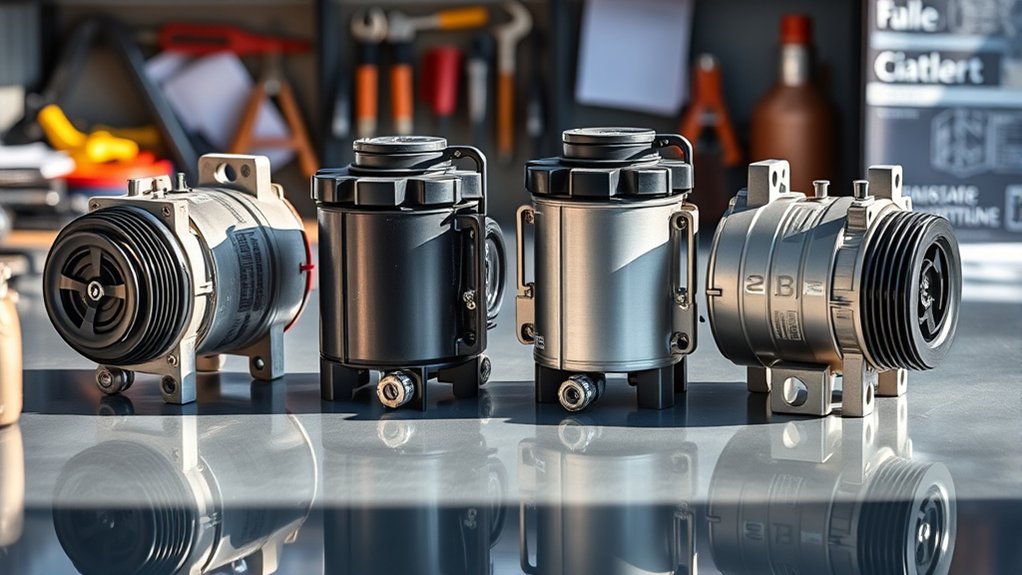
When selecting a replacement compressor, the type you choose directly impacts both the initial cost and long-term efficiency of your AC system.
Rotary compressors typically have lower replacement costs, ranging from $50 to $200, but offer moderate efficiency and an 8-12 year lifespan.
Scroll compressors cost between $500 and $1,500 and provide better efficiency with a longer lifespan of 15-20 years, making them a solid long-term investment.
Variable-speed compressors exceed $1,500 but deliver the highest efficiency, reducing operational costs considerably over time.
You must also guarantee system compatibility. Mismatched compressor types can cause performance issues and increased energy use.
Why Refrigerant Type Changes Compressor Replacement Cost

Although the type of refrigerant in your AC system often goes unnoticed, it plays a critical role in determining compressor replacement costs.
Systems using R-22 refrigerant face higher compressor replacement costs, often exceeding $5,000, due to limited availability and strict environmental regulations phasing out R-22 production. This scarcity drives up repair costs and complicates maintenance.
In contrast, compressors designed for R-410A refrigerant are more readily available and cost between $1,200 and $3,000 to replace.
Upgrading to R-410A not only lowers immediate repair expenses but also enhances energy efficiency and operational efficiency over time.
While upgrading involves an upfront investment, it reduces long-term costs and aligns with current environmental standards.
Understanding your refrigerant type helps you anticipate compressor replacement expenses and make informed decisions about system upgrades and repairs.
How Labor Complexity Impacts Your Total Replacement Cost
Understanding refrigerant type helps estimate parts cost, but labor complexity plays an equally important role in your total compressor replacement expense.
Skilled labor for installation typically requires 4-6 hours, costing between $600 and $1,200 depending on regional rates.
Additional tasks, like system evacuation and refrigerant recharge, add $100 to $500 to labor complexity.
If your replacement involves installing components such as filter driers or capacitors, expect extra labor charges from $50 to $200.
Complex installations demanding modifications for compatibility with existing systems increase time and costs further.
These factors collectively drive your overall expenses up.
How Brand Choice and Warranty Coverage Influence Replacement Cost
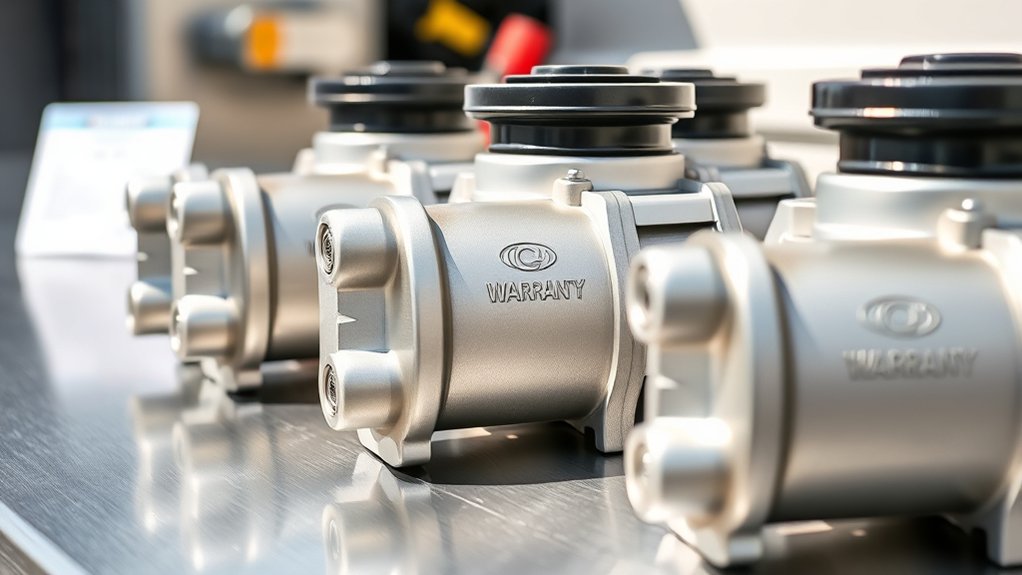
Since brand choice directly affects both initial and long-term expenses, selecting the right compressor is essential for managing replacement costs. Premium brands usually cost more upfront but offer superior efficiency ratings and reliability, which helps reduce energy and repair expenses over time.
Warranty coverage also plays a critical role. It protects you from unexpected repair costs and extends the compressor’s lifespan. So, it’s important to consider both brand and warranty when making your decision.
Here are some key things to keep in mind:
- Premium brands provide access to OEM components, ensuring compatibility and durability.
- Longer warranty coverage, sometimes up to 10 years, lowers out-of-pocket repair costs.
- Higher efficiency ratings from reputable brands result in long-term savings on energy bills.
- Investing in a trusted brand minimizes replacement cost variability and protects your HVAC investment.
Choosing wisely means balancing upfront expense with future savings and reliability. It’s all about making a smart choice that pays off down the road.
Frequently Asked Questions
How Long Does a Typical Air Conditioner Compressor Last?
You can expect a typical air conditioner compressor to last about 12 to 15 years.
Compressor lifespan factors include your typical usage patterns and the importance of regular maintenance. Environmental impacts like extreme temperatures also play a role.
Brand reliability variations and installation quality effects influence longevity, as does age-related wear.
Refrigerant type and energy efficiency trends matter, too.
Don’t forget warranty considerations; they can provide added protection as your compressor ages.
Can I Replace the Compressor Myself to Save Money?
Think you can tackle a compressor replacement solo?
DIY challenges like handling various compressor types, using specialized tools, and following strict safety precautions demand skill and time.
Without proper installation tips, you risk voiding warranty issues and facing costly repairs.
Although the cost breakdown favors DIY, the skill requirements and time commitment often make professional help a smarter choice.
This way, you can guarantee efficiency, safety, and system longevity.
What Signs Indicate My Compressor Needs Replacement?
You’ll notice compressor failure signs like unusual noises, such as grinding or hissing, refrigerant leaks, and inconsistent cooling.
An overheating unit or frequent electrical issues, like tripped breakers, also signal problems.
Consider the age of your unit and its maintenance history.
Check if warranty coverage is available.
Ultimately, a technician inspection provides a definitive diagnosis, ensuring you address compressor failure promptly and avoid costly damage to your AC system.
How Do Seasonal Promotions Affect Compressor Pricing?
Seasonal promotions can slash compressor prices by 20-30% through strategic seasonal discounts tied to lower market demand.
You’ll find competitive pricing influenced by brand reputation and regional variations, especially during spring or fall sales.
These promotions often include customer incentives like enhanced warranty options and rebates for energy efficiency.
Timing installation costs with promotional timing maximizes savings. This way, you can upgrade affordably while benefiting from bundled offers and manufacturer-backed deals.
Are There Financing Options Available for Compressor Replacement?
Yes, you’ll find various financing plans for compressor replacement, including contractor deals with flexible payment options and competitive interest rates.
Credit availability often depends on loan applications and your credit score, so compare cost comparisons carefully.
Leasing choices may also be available, sometimes bundled with warranty coverage.
It’s a good idea to assess budget considerations thoroughly before committing.
Make sure the terms fit your financial situation while securing reliable service and equipment.
Conclusion
Replacing your air conditioner compressor is like tuning a complex engine. Size, type, and refrigerant all play pivotal roles in the final cost.
Labor complexity adds layers to the price, while brand and warranty act as your safety net. By understanding these factors, you’re better equipped to navigate the replacement process with confidence and avoid unexpected expenses.
Think of it as mastering the blueprint to keep your cool without breaking the bank.