Why Does My Air Conditioner Smell Like Vinegar?
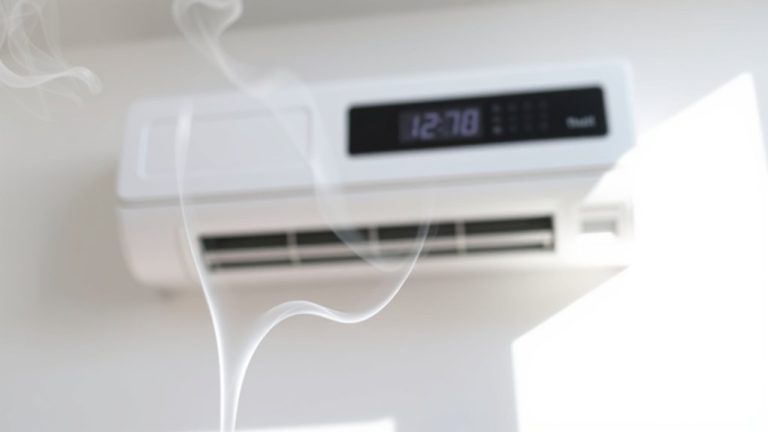
If your air conditioner smells like vinegar, it’s likely due to microbial growth like mold or bacteria thriving in moist areas such as evaporator coils or clogged drain lines. Dirty air filters and refrigerant leaks can also produce acidic odors resembling vinegar. These issues create stagnant water and moisture buildup, which fuel the smell.
Regular filter changes, drain line cleaning, and prompt mold inspections help prevent this. You can explore effective ways to diagnose, clean, and maintain your AC to keep it fresh. Just a little upkeep goes a long way in avoiding those unpleasant odors.
Why Mold and Bacteria Grow in AC Systems
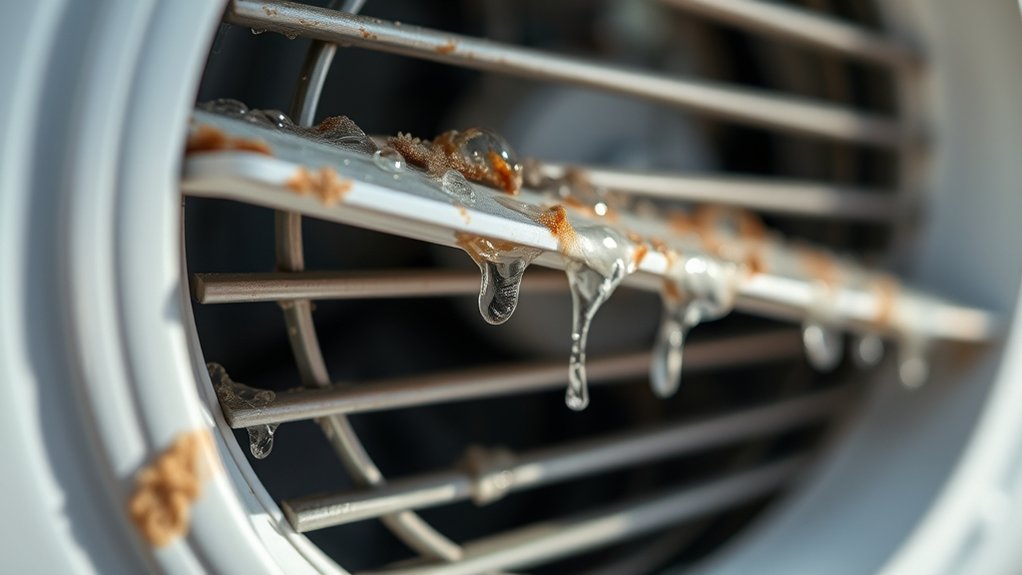
Because air conditioning systems create moist environments through condensation on evaporator coils and drain pans, mold and bacteria find ideal conditions to thrive. Moisture accumulates on these components, especially when humidity is high, providing a breeding ground for microbial growth.
If your AC’s drain line becomes clogged, stagnant water pools, making mold and bacteria grow even more. This also causes unpleasant odors. Dust and debris trapped in the system hold onto moisture, which makes the problem worse.
Without regular maintenance, like cleaning evaporator coils, clearing drain lines, and replacing air filters, you increase the risk of contamination. Ensuring proper airflow and timely cleaning helps keep moisture down and prevents mold and bacteria from growing.
What Causes a Vinegar Smell in Your Air Conditioner
Anyone noticing a vinegar smell in their air conditioner should consider microbial growth as a primary cause. Bacterial growth often develops on the evaporator coil and in the drain pan due to moisture accumulation, producing that distinctive vinegar smell.
A clogged drain line worsens the problem by allowing stagnant water to accumulate, which further promotes bacterial proliferation.
Moreover, a dirty air filter traps contaminants and moisture, contributing to unpleasant odors when air passes through.
Regular maintenance is vital to prevent these issues. Cleaning the evaporator coil, clearing drain lines, and replacing filters reduce moisture buildup and inhibit bacterial growth.
Addressing these factors promptly guarantees your air conditioner operates efficiently and eliminates the vinegar smell caused by microbial contamination rather than mechanical faults.
How Refrigerant Leaks Cause Vinegar Odors

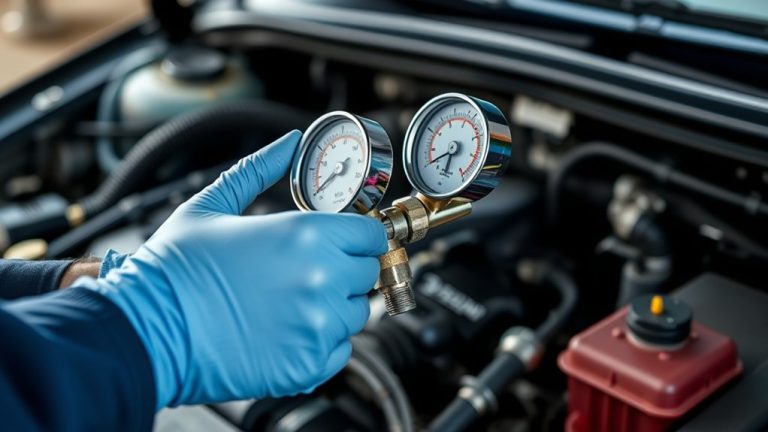
While microbial growth is a common source of vinegar-like odors in your air conditioner, refrigerant leaks can also produce similar smells that signal different underlying issues.
When refrigerant breaks down, it releases acidic compounds causing a vinegar-like smell. This often indicates refrigerant leaks, which can lead to moisture buildup.
Moisture buildup can foster mold growth and intensify unpleasant odors. Furthermore, leaking refrigerant may trigger electrical issues, risking component overheating.
Detecting such odors requires immediate professional inspection to prevent health hazards and system damage.
If you notice that vinegar smell, don’t ignore it. It’s a sign that something might be wrong with your system.
Getting a professional to check it out can save you from bigger problems down the line.
How to Inspect Your AC for Mold or Mildew
Before inspecting your air conditioner for mold or mildew, make sure to turn off the system to prevent electrical hazards.
To properly inspect and clean your AC, follow these steps:
Remove the front cover or access panel and look for dark spots indicating mold and mildew.
Examine the condensate drain pan for stagnant water, a common mold breeding ground.
Check the condensate drain pan regularly for standing water, a prime spot for mold growth.
Check the air filter for dirt or debris, as clogged filters can trap mold spores and cause unpleasant smells.
Clean visible mold with appropriate solutions to prevent spread.
If you suspect widespread mold, it’s a good idea to schedule a professional inspection since specialized tools are needed for thorough air conditioning repair.
Regularly inspecting your AC for mold and mildew helps prevent unpleasant odors and keeps your system running efficiently.
It’s a simple step that can save you from bigger problems down the line.
How to Replace Cabin Air Filters to Remove Odors
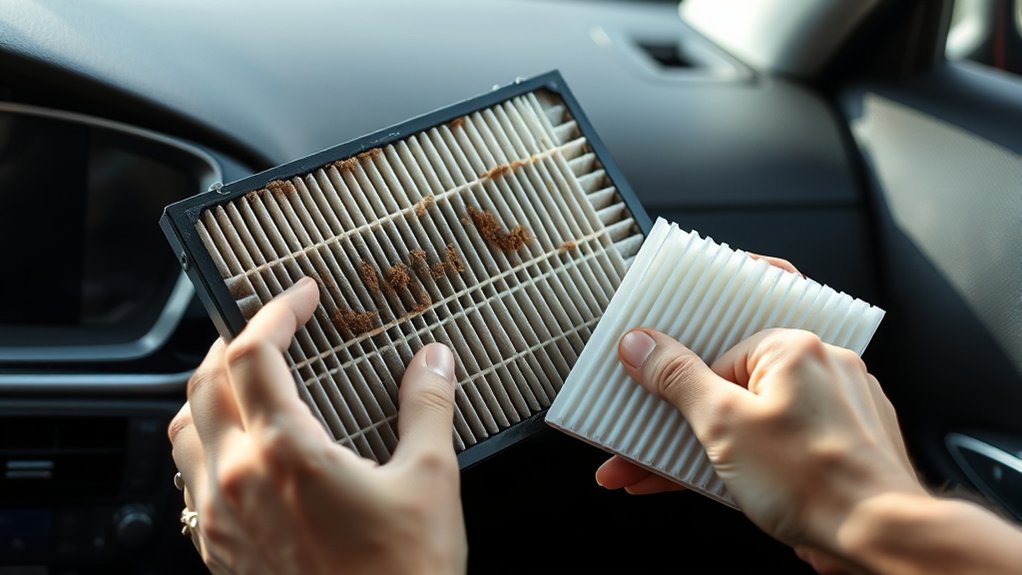
Several steps are involved in replacing your cabin air filter to eliminate odors effectively. First, locate the filter housing, usually behind the glove compartment or near the windshield. Consult your vehicle manual for the correct filter type.
Remove the old filter carefully, inspecting for mold or mildew that may cause the smell. Clean the filter housing before installing the new filter, making sure airflow arrows align correctly. Regularly replace cabin air filters during maintenance checks every 12,000 to 15,000 miles to maintain air quality and prevent odors in your air conditioning unit.
| Step | Action | Purpose |
|---|---|---|
| Locate filter | Find filter housing | Access old filter |
| Remove & inspect | Check for mold or mildew | Identify odor sources |
| Install new filter | Align airflow arrows correctly | Guarantee proper air flow |
DIY Steps to Remove Vinegar Smell From AC
Replacing your cabin air filter is a solid start, but removing a persistent vinegar smell from your air conditioner requires a few more steps. This smell often comes from bacteria and mold thriving in damp areas. So, you’ll want to tackle those root causes to get rid of the odor for good.
To start, replace the cabin air filter regularly to cut down on trapped odors.
Next, clear the AC drain line to get rid of stagnant water that encourages microbial growth.
Don’t forget to clean the HVAC housing, including evaporator coils and ducts, using a disinfecting spray. You can also use automotive AC sanitizing sprays to neutralize odors and disinfect internal parts.
After running your AC, leave the fan on for a while. This helps dry out moisture and stops bacteria and mold from building up.
Following these exact steps will make sure you fix the problem at its source and keep your AC smelling fresh instead of like vinegar.
Why Clogged Drain Lines Cause Vinegar Smell in AC
When your AC’s drain lines get clogged, water starts to sit around instead of flowing out like it should.
This stagnant water creates the perfect place for bacteria and mold to grow.
These microbes are what cause that vinegar-like smell you might notice coming from your AC.
Drain Line Blockage Effects
If your air conditioner’s drain line becomes clogged, it traps moisture inside the system. This creates ideal conditions for bacteria and mold to grow.
The moisture buildup leads to stagnant water in the drain pan, which really encourages mold to thrive and causes a vinegar-like smell.
You’ll notice these unpleasant odors get stronger when the AC runs because the air circulation spreads the smells throughout the vehicle. A clogged drain doesn’t just cause bad smells—it can also reduce your AC’s cooling efficiency and even cause water damage.
To avoid all these problems, routine maintenance is key.
Here are the main effects of a drain line blockage:
- Moisture accumulates in the system
- Mold growth accelerates
- Vinegar smell develops
- Unpleasant odors spread
- Potential water damage and efficiency loss
Microbial Growth and Odors
Because clogged drain lines trap moisture, they create a perfect environment for microbial growth inside your air conditioner. Stagnant water in the drain pan promotes bacteria and mold proliferation. These microbes emit vinegar-like odors due to acetic acid production.
This microbial activity causes the pungent smell you notice when your AC runs. Regular maintenance, including clearing the clogged drain and cleaning the drain pan, is crucial. It helps prevent these odors and keeps your system running efficiently.
| Factor | Impact on Odors |
|---|---|
| Clogged Drain | Traps moisture, fosters bacterial growth |
| Drain Pan | Accumulates stagnant water, enabling microbes |
| Maintenance | Prevents blockages, reduces vinegar odors |
Taking care of these areas means your AC stays odor-free and works effectively. It’s really worth the effort!
How to Prevent Moisture Buildup and Future Odors
You should run the AC fan for about 10 to 15 minutes after using it. This helps dry out any leftover moisture in the system and stops odors from building up.
Also, keeping up with regular HVAC maintenance, like cleaning the coils and drain lines, makes sure moisture is controlled efficiently.
On top of that, managing the cabin’s humidity by adjusting the settings properly can really help cut down on condensation and prevent future smells.
Run Fan Post-Use
Although many overlook it, running the fan after turning off your air conditioner plays an essential role in preventing moisture buildup. When you run the fan post-use, the evaporator coil dries out, reducing the moisture that fuels microbial growth. This limits the vinegar-like smell caused by mold and bacteria.
Cycling the fan helps improve airflow and evaporates residual moisture, preventing stagnant water accumulation that damages your system.
To effectively prevent future odors and maintain indoor air quality, remember to:
- Run the fan for 10–15 minutes post-use
- Prioritize fan use after humid days
- Guarantee consistent airflow to dry components
- Monitor for signs of moisture buildup
- Incorporate this step into your AC maintenance routine
This simple action extends your system’s lifespan and safeguards your indoor environment. It’s a small habit that makes a big difference!
Regular HVAC Maintenance
When you maintain your HVAC system regularly, you greatly reduce the risk of moisture buildup that causes vinegar-like odors.
Start by changing or cleaning your air filters every 1-3 months to improve airflow and minimize moisture accumulation.
It’s also a good idea to schedule seasonal inspections with a professional A/C technician. They’ll clean and check critical components like the evaporator coil and ductwork, which are common sites for mold growth.
Make sure to keep the outdoor unit clear of debris and standing water to prevent excess moisture.
Installing a float switch can automatically shut off the system if water backs up in the drain pan, which helps reduce microbial growth.
These steps in regular HVAC maintenance effectively control moisture, inhibit mold development, and stop persistent odors from developing in your air conditioning system.
Taking these simple actions goes a long way in keeping your system fresh and efficient.
Control Cabin Humidity
Maintaining your HVAC system helps reduce moisture buildup, but controlling humidity inside the cabin plays an equally important role in preventing vinegar-like odors.
To effectively control cabin humidity and avoid the vinegar smell caused by bacteria or mold, you need to address moisture sources and airflow.
Run the AC fan for a few minutes after cooling to evaporate residual moisture. Cycle the AC regularly during winter to prevent trapped condensation.
Replace the cabin air filter annually to guarantee proper airflow and reduce standing water.
Use “auto” mode instead of constant recirculation to lower humidity accumulation. Park in well-ventilated areas to minimize mold and musty odor risks.
Proper AC maintenance helps you diagnose and fix moisture issues early. This prevents bacteria or mold growth and future odors.
When to Call a Professional for Persistent AC Smells
If your air conditioner continues to emit a vinegar-like smell despite thorough cleaning, it’s time to call a professional. Persistent odors often indicate underlying mold or bacterial growth that DIY methods can’t fully address.
An HVAC technician can perform a detailed inspection to identify contamination or mechanical issues causing the smell.
If you notice excess moisture, unusual noises, or reduced cooling efficiency alongside the odor, these symptoms suggest deeper problems requiring expert diagnosis.
Also, refrigerant leaks may produce acidic odors and pose health and environmental risks, so they need immediate professional attention.
Getting help from a licensed technician guarantees thorough cleaning or component replacement. This will effectively eliminate persistent smells and keep your system’s performance and indoor air quality in check.
Don’t wait too long—addressing these issues early can save you a lot of trouble down the road.
How Regular Maintenance Keeps Your AC Smelling Fresh
You should replace or clean your air filters every 1 to 3 months. This helps prevent dust and microbial buildup, which can cause those unpleasant vinegar-like odors.
Also, running the fan after the AC shuts off is a great way to control moisture. It helps dry out the system and stops bacteria from growing.
Scheduled Filter Replacement
Although many factors contribute to unpleasant odors in your air conditioner, regularly replacing the air filter every 1 to 3 months plays an essential role in keeping your AC smelling fresh.
Scheduled maintenance, including filter replacement, prevents the buildup of dust and microbial growth that causes air conditioning smell issues like vinegar odors.
Using high-efficiency particulate air (HEPA) filters further enhances filtration, capturing finer pollutants to improve air quality.
To maintain peak AC performance and prevent future odor problems, you should replace filters every 1-3 months and use HEPA filters when possible.
Also, check filters during routine HVAC maintenance and monitor for signs of mold growth.
If you notice anything unusual, consult a professional to inspect and advise.
This routine helps stop mold growth and bacterial buildup, ensuring your system remains clean and odor-free.
It’s a simple step that makes a big difference in how your AC smells and performs.
Moisture Control Practices
Beyond regularly replacing filters, managing moisture within your air conditioning system plays a significant role in preventing vinegar-like odors. Effective moisture control is essential in AC maintenance to inhibit microbial growth that thrives in damp environments.
You should routinely clean the condensate drain line to prevent a blocked drain, which can cause stagnant water buildup and unpleasant odors.
Running the fan after the AC is done cooling helps dry the evaporator coil and reduces moisture buildup. Using high-efficiency particulate air (HEPA) filters or swapping out cabin air filters every 1-3 months also helps minimize trapped moisture and mold growth.
Plus, setting your thermostat to “auto” mode improves airflow and keeps humidity in check inside the unit. These simple steps work together to lower the chance of vinegar-like smells caused by bacteria and mold growing in your system.
Frequently Asked Questions
Can a Vinegar Smell in My AC Affect My Health?
Yes, a vinegar smell in your AC can impact your health by degrading indoor air quality and introducing allergy triggers.
This odor often signals bacterial or mold growth, which can cause respiratory irritation.
It’s important to identify where the smell is coming from and keep up with regular HVAC maintenance.
Taking care of these issues early on helps keep your indoor air safe.
By doing this, you reduce your exposure to harmful contaminants that might make allergies or other health problems worse.
Does Vinegar Odor in AC Mean the System Is Unsafe to Use?
Think of your AC like a garden. If you don’t tend it, weeds can take over. In this case, those weeds are odor sources like bacteria or mold.
A vinegar odor doesn’t automatically mean your system is unsafe to use. But it does signal that you need to do some maintenance.
Check humidity levels, replace filters, and inspect for refrigerant leaks.
Also, don’t forget to address any drain issues promptly. Using effective cleaning methods can help prevent potential health risks.
Plus, it keeps your AC running efficiently.
Can Pets Cause a Vinegar Smell in My Air Conditioner?
Yes, pets can cause a vinegar smell in your air conditioner. Pet dander and moisture buildup from baths or accidents promote bacteria growth on cooling coils and inside air filters.
This bacteria emits a vinegar-like odor, especially during seasonal changes when ventilation issues worsen.
Regularly cleaning air filters and addressing moisture buildup helps prevent these smells and keeps proper airflow going. It’s a good habit to stay on top of this to avoid any nasty odors.
Ignoring the problem can lead to increased bacteria and persistent smells. If that happens, you might need professional HVAC maintenance to get things back to normal.
Is Vinegar Smell in AC Common in All Types of Air Conditioners?
Yes, the vinegar smell is common in all types of air conditioners.
You’ll often find common causes like mold growth, filter problems, and humidity issues triggering it. Refrigerant leaks and system age can also contribute.
To prevent this, prioritize regular AC maintenance by cleaning filters and drain lines.
Addressing these factors promptly helps keep your system efficient and odor-free.
This is true whether you use central, window, or portable AC units.
How Long Does the Vinegar Smell Typically Last After Cleaning?
The vinegar smell typically lasts a few hours to a couple of days after cleaning, depending on how often and how thoroughly you clean.
To make sure the odor goes away for good, focus on regular maintenance like replacing filters on time and keeping humidity in check.
These simple steps help your system run better and improve air quality. They also cut down on the microbial growth that causes those unwanted smells.
Running the fan mode after cleaning speeds up drying, which helps minimize any lingering vinegar scent.
Doing this supports long-term freshness in your air conditioner and keeps things smelling nice.
Conclusion
If your air conditioner smells like vinegar, it’s often due to mold, bacteria, or refrigerant leaks creating acetic acid odors. Take a close look for mold growth, clogged drain lines, and make sure to replace cabin air filters promptly.
Preventing moisture buildup is important, so keep an eye on proper drainage and clean your system regularly.
While a vinegar smell can point to minor issues, if the odor sticks around, it might mean there’s a refrigerant leak that needs a professional check.
Regular maintenance is really the key to keeping your AC running efficiently and smelling fresh, so you can enjoy clean, fresh air in your space.