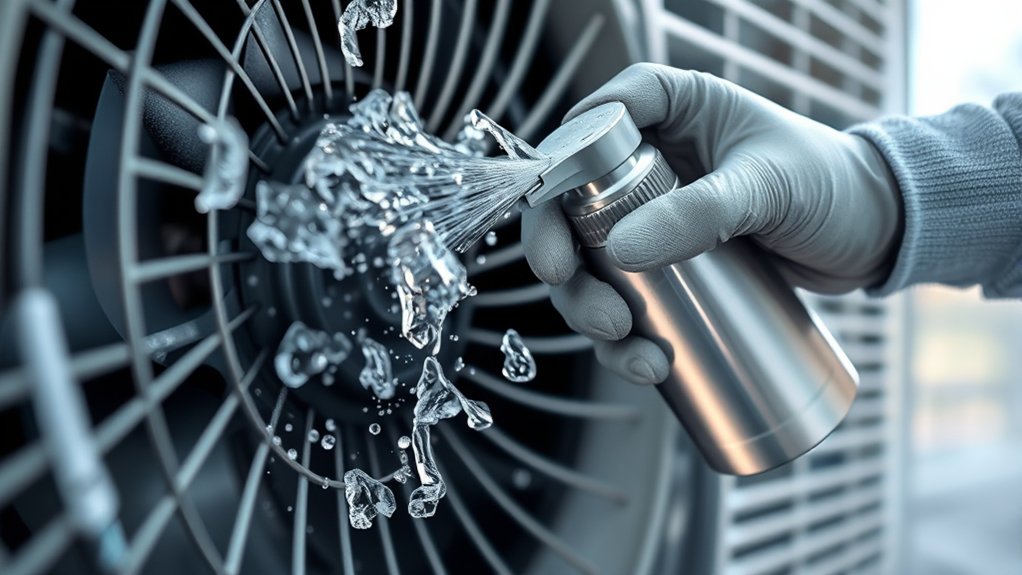
How Do You Unfreeze an Air Conditioner in 10 Easy Steps
To unfreeze your air conditioner, first turn it off to stop further ice buildup and protect the compressor. Set the fan to ON to circulate warm air and speed thawing, allowing 1 to 24 hours for ice to melt naturally. Use towels to catch water, then inspect and replace dirty filters and clear clogged drain lines.
Once the unit is dry, clean the evaporator coils. After that, test the AC’s function to make sure everything is working properly. Following these precise steps helps prevent refreezing and lets you know when it’s time to call a professional.
Spotting a Frozen AC: What to Look For
When your air conditioner blows warm air instead of cool, it’s a strong indicator that the unit may be frozen. One of the primary signs to look for is visible ice buildup on the evaporator coils or around the air conditioning system. This ice forms when refrigerant levels are low or airflow is restricted.
Another sign is if the system runs continuously without reaching the set temperature, which means frozen components are getting in the way of proper cooling.
Also, water dripping from the unit is a clue that ice is melting inside. In hot, humid conditions, if you notice a lack of cool air circulation, that’s another hint your AC might be frozen.
By methodically checking these signs—warm air, ice formation, continuous running, and water dripping—you can accurately figure out if your AC unit is frozen.
It’s all about spotting these clues early so you can get things fixed before it gets worse.
Turn Off Your AC to Prevent Further Damage
Turn off your AC right away to stop the cold refrigerant from flowing and to prevent more ice from building up on the coils.
Doing this helps protect the compressor from getting damaged by running while it’s frozen.
Letting the unit rest also helps it thaw naturally and puts less stress on the system’s parts.
Stop Cold Refrigerant Flow
If your air conditioner starts freezing up, you need to immediately switch the thermostat from COOL to OFF to halt refrigerant circulation. This action stops cold refrigerant flow, preventing further ice buildup on frozen coils.
Turning the thermostat off allows the system to cease refrigerant movement, initiating the thawing process naturally.
You can then set the fan to ON to circulate warm air around the coils, which helps speed up the ice melting. Keep an eye on both indoor and outdoor units for visible ice reduction to see how the thawing is going.
Make sure not to turn the system back on until all frozen coils have completely thawed.
Stopping the cold refrigerant flow is a critical step in safely restoring your air conditioner’s function and avoiding costly repairs. Taking these steps early can save you a lot of trouble down the line.
Protect Compressor Integrity
Halting refrigerant flow by switching off your air conditioner not only stops ice buildup but also safeguards the compressor from damage.
When dealing with a frozen AC, it’s critical to protect compressor integrity by turning the AC completely off. Set the thermostat to OFF rather than just lowering the temperature. This prevents the system from running under refrigerant problems and overheating.
Follow these steps to protect your system:
- Turn the AC off immediately to halt refrigerant flow and avoid additional ice formation.
- Allow the ice to thaw naturally; this can take from 1 hour up to 24 hours depending on ice volume.
- Avoid restarting the unit until the ice fully melts to prevent compressor strain.
These actions preserve your compressor and extend your air conditioner’s lifespan.
Just be patient and let the ice melt completely before turning everything back on.
Turn Fan ON to Circulate Warm Air
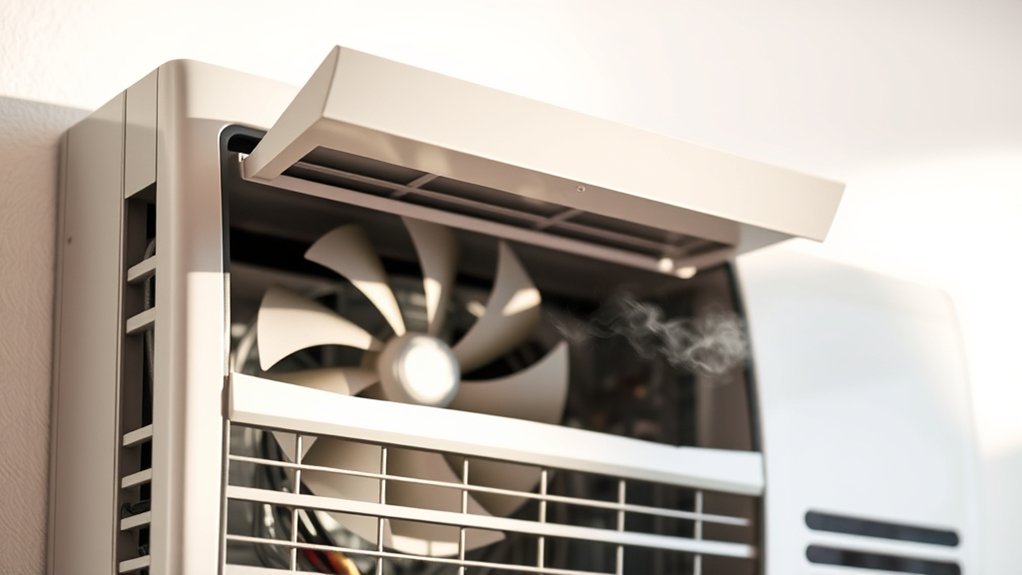
Turn the fan ON to circulate warm air over the frozen coils. This helps speed up the thawing process without needing to run the cooling function.
The continuous airflow melts the ice evenly and keeps the room comfortable at the same time.
Just use the fan-only setting and keep an eye on the unit until all the ice has melted.
Fan Role In Defrosting
Because the fan circulates warm air over the frozen coils, it plays a critical role in accelerating the defrosting process. When you turn the fan ON, it guarantees continuous airflow that combats ice formation on your frozen air conditioner. This helps speed up the defrosting by evenly distributing warm air directly to the affected areas.
Here’s why the fan’s role is essential:
- It promotes steady airflow, preventing new ice buildup during thawing.
- It facilitates moisture evaporation, reducing water accumulation and potential damage.
- It operates independently from the cooling cycle when set to ON, assuring constant warm air circulation.
Benefits Of Warm Air
When you switch the fan ON, it circulates warm air that speeds up the thawing of frozen coils, minimizing downtime of your air conditioner. This warm air circulation is vital during the thawing process, as it accelerates melting and prevents ice from refreezing on the coils.
Utilizing the fan setting efficiently maintains consistent indoor air circulation, which stabilizes temperature and humidity levels while defrosting occurs.
Plus, the warm air helps direct melting ice toward the drainage system, reducing the risk of water damage. This approach is energy-efficient because it leverages the AC system’s existing components without extra heating sources.
Overall, turning the fan ON guarantees a controlled thawing process, preserves system integrity, and maintains comfort by promoting continuous indoor air circulation throughout the defrost cycle.
It’s a smart way to keep things running smoothly without any hassle.
Fan Settings To Use
Circulating warm air over frozen coils greatly speeds up the defrosting process, and adjusting your fan settings plays a key role in this.
Set the fan to “ON” instead of “AUTO” to guarantee continuous air circulation, which promotes steady warm airflow over the frozen coils.
This method accelerates thawing and prevents new ice buildup.
Follow these steps to optimize fan settings for the defrosting process:
- Switch the fan to “ON” to maintain constant air circulation, even when the compressor is off.
- Keep the fan running for several hours to assure complete thawing of frozen coils.
- Use this setting especially in humid conditions to reduce stagnant air and ice formation.
Proper fan settings notably enhance the defrosting process and restore your air conditioner’s efficiency.
It’s a simple tweak that makes a big difference!
Allow Time for Ice to Naturally Thaw
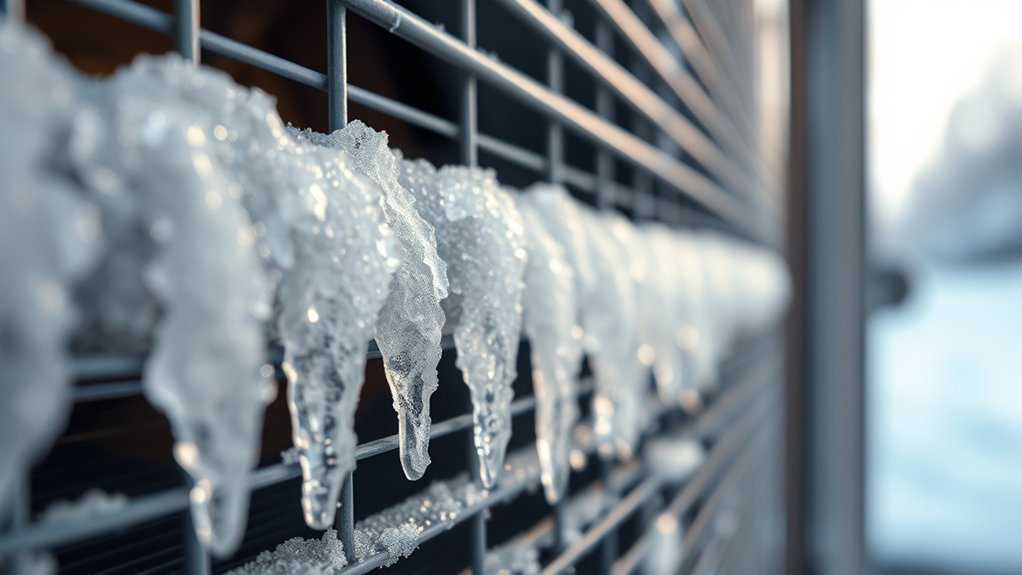
To effectively unfreeze your air conditioner, you should first turn it off to stop the cold refrigerant flow and prevent more ice from building up.
Next, set the fan to “ON” to help airflow and speed up the thawing by moving warm air over the frozen coils.
Let the ice thaw naturally. This can take anywhere from one hour to more than twenty-four hours, depending on how thick the ice is.
While waiting, keep an eye on both indoor and outdoor units to check for any leftover ice and make sure air can flow freely around the system.
Put towels under the indoor unit to catch the melting water and protect the area from damage.
It’s important to be patient—trying to rush the process can actually harm your AC. By turning off the unit and giving it time, you’ll ensure the ice melts safely and effectively.
Inspect and Replace Dirty AC Air Filters
After allowing the ice to thaw completely, check out the air filters in your AC unit. Be sure to inspect and replace any dirty air filters right away because clogged filters restrict airflow and can make the system freeze again.
To keep your AC running smoothly and avoid a frozen coil, here’s what you should do:
- Find and take out the air filter from your AC unit.
- Look over the filter for dust, debris, or a lot of dirt buildup.
- Swap out the air filter if it looks clogged or dirty. A clean filter helps improve airflow and cooling efficiency.
Try to check and replace the air filter every 1-3 months. If you have pets, doing this monthly is a smart idea.
This simple step can prevent your AC from freezing up and helps your unit run more efficiently.
Use a Hair Dryer to Speed Defrosting
Gently apply a hair dryer set to the lowest heat setting to the frozen sections of your air conditioner to speed up the defrosting process.
Make sure to turn off the unit before you start to protect the compressor and internal parts. Hold the hair dryer a few inches away from the evaporator coils so you don’t overheat or damage them.
Always turn off your unit first and keep the hair dryer a safe distance from coils to avoid damage.
Focus the warm air directly on the spots with the most ice buildup. This helps melt the ice more efficiently. Keep an eye on the melted ice and move the dryer around to warm the whole area evenly.
Once all the ice has melted, turn off the hair dryer right away to avoid overheating.
Using a hair dryer like this speeds up defrosting safely without causing damage. It helps get your air conditioner back to normal airflow and working properly.
Check and Clear Clogged Drain Lines
One common cause of ice buildup on your air conditioner’s evaporator coils is clogged drain lines that prevent proper water drainage. These blockages cause water to back up, and that leads to ice formation.
To check and clear clogged drain lines effectively, here’s what you can do:
First, use a wet/dry vacuum to suction out debris and blockages. This helps guarantee free-flowing drainage.
Next, pour a vinegar and water mixture down the drain line once a month. This breaks down algae and helps prevent clogs.
Also, don’t forget to inspect and clean the drain pan. Make sure it’s properly sloped so water can flow out easily.
Try to do regular maintenance checks to catch any drain line issues early. Following these steps will help stop future ice buildup, keep airflow steady, and make sure your air conditioner runs efficiently.
Clean the AC Evaporator Coils After Thawing
After you’ve thawed your AC, it’s important to make sure the evaporator coils are completely dry before you start cleaning. This helps prevent them from refreezing and keeps your system running efficiently.
Next, grab a soft brush or cloth and gently remove any dust and debris that’s built up on the coils. If you notice stubborn grime that won’t come off, go ahead and use a coil cleaner to tackle it.
And don’t forget—scheduling professional maintenance once a year is a smart move. A deep cleaning by a pro helps keep your AC in great shape and can extend its lifespan.
Importance Of Coil Cleaning
Although thawing your air conditioner is essential, cleaning the evaporator coils immediately afterward is just as important to restore peak function.
Dirty coils reduce the evaporator coil’s ability to absorb heat, which seriously impacts cooling efficiency.
Neglecting coil cleaning leads to dust buildup. This causes recurring freezing and higher energy costs. So, you really want to stay on top of it.
You should prioritize coil cleaning because:
- Dirty coils lower cooling efficiency, making your AC work harder.
- Accumulated debris increases energy consumption, raising utility bills by up to 30%.
- Regular cleaning prevents system strain and extends the air conditioner’s lifespan.
Cleaning Methods And Tools
Cleaning the evaporator coils thoroughly once the ice has melted restores your AC’s ability to transfer heat efficiently. Use a mild detergent and water solution to remove dirt and debris from the AC coils. Gently scrub with a soft brush or cloth to avoid damaging delicate fins.
If you run into stubborn grime, go ahead and apply a commercial coil cleaner. Just be sure to follow the manufacturer’s directions carefully. After cleaning, rinse the coils thoroughly to get rid of any leftover residue.
Doing regular inspections and cleaning each season can really help prevent future freezing issues. Plus, it keeps the airflow steady and the system running smoothly.
| Cleaning Method | Description |
|---|---|
| Mild Detergent Mix | Removes surface dirt and debris |
| Soft Brush | Gently cleans without damage |
| Commercial Coil Cleaner | Deep cleans tough grime |
| Thorough Rinse | Eliminates cleaning residue |
| Seasonal Inspection | Maintains coil efficiency |
Timing And Professional Help
Once your air conditioner has fully thawed, you’ll want to clean the evaporator coils promptly to restore peak cooling efficiency and prevent recurring freezing problems.
Timing is critical. Delaying coil cleaning allows dirt buildup, which impairs heat absorption and worsens AC problems.
Use a soft brush or vacuum to remove debris. This ensures unrestricted airflow and effective heat exchange.
If you’re uncertain or notice persistent freezing, seek professional help. HVAC professionals offer thorough coil cleaning and can identify underlying issues causing freezing.
Follow these steps for best results:
- Clean coils immediately after thawing to avoid prolonged inefficiency.
- Schedule routine maintenance with HVAC professionals twice a year.
- Address persistent AC problems promptly with expert diagnostics.
This approach extends your unit’s lifespan and keeps your AC running reliably.
Test Your AC After Thawing to Ensure Proper Function
After you’ve fully thawed your air conditioner, set the thermostat back to COOL and monitor the temperature to confirm it reaches the desired setting.
Next, test your AC after thawing by running the unit for 15 to 30 minutes. During this time, check air filters and replace them if dirty to restore proper airflow.
Inspect for any visible ice or frost on the evaporator coils. If you still see ice after thawing, it might mean there’s a deeper problem.
Also, make sure air vents and registers are unobstructed to guarantee efficient cooling. Running the AC lets you catch unusual noises or performance issues early.
This methodical testing ensures your unit functions correctly and helps prevent immediate refreezing or damage. It’s a good way to keep your AC in top shape.
Identify AC Causes to Prevent Refreezing and Know When to Call a Pro
Monitoring your air conditioner after thawing helps reveal underlying issues that may cause it to freeze again. To prevent refreezing, you must:
- Check your air filter regularly. A clogged filter restricts airflow and promotes ice buildup. Replace it every 1 to 3 months.
- Inspect for refrigerant leaks. Leaks reduce pressure, causing freezing. If you suspect one, call a professional immediately for diagnosis and repair.
- Clean dirty coils. Accumulated dirt impairs heat exchange, increasing freeze risk. Regular coil maintenance is essential.
If freezing persists despite these steps, deeper mechanical faults like a faulty blower motor may exist. In such cases, call a professional to avoid damage and guarantee safe operation.
Scheduling annual HVAC maintenance helps detect issues early and keeps your AC running smoothly.
It’s a good idea to stay on top of this so you don’t get caught off guard.
Frequently Asked Questions
Can a Frozen AC Cause Electrical Issues?
Yes, frozen coils can definitely cause electrical issues in your AC. When ice blocks airflow, the compressor has to work harder, which can lead to problems like overheating or even compressor failure.
This extra strain increases electrical resistance, which might trip breakers or damage components.
To avoid these problems, it’s important to follow some simple maintenance tips. Keep your filters clean and make sure there’s proper airflow around your unit.
Regular upkeep helps prevent frozen coils and protects your system from costly electrical damage.
Is It Safe to Use a Frozen AC Overnight?
Running a frozen air conditioner overnight is like trying to sprint through quicksand. It’s risky and inefficient. You shouldn’t use a frozen air unit overnight because of safety concerns.
Ice buildup restricts airflow, which causes the compressor to overheat and could lead to failure. This not only risks costly repairs but also poses health risks due to poor air quality and inadequate cooling.
Always thaw the unit fully before using it again.
Make sure to perform maintenance regularly to guarantee safe and reliable operation.
How Often Should AC Filters Be Replaced?
You should replace your AC filters every 1 to 3 months to guarantee ideal filter maintenance.
If you have pets or high dust levels, monthly replacement frequency is best. Regular changes maintain system efficiency by preventing airflow restrictions and improve air quality by reducing dirt buildup.
Sticking to this schedule helps your AC run smoothly, extends its lifespan, and keeps your indoor environment healthier and more comfortable throughout the year.
It’s a simple routine that really pays off in the long run. So, don’t overlook it!
Can Low Refrigerant Levels Cause Freezing?
Yes, low refrigerant levels can cause ice to form on your AC’s evaporator coil. When the refrigerant drops, it disrupts the pressure balance. This reduces cooling efficiency and causes temperatures to fall below freezing.
To prevent this, it’s a good idea to regularly check refrigerant levels and schedule professional inspections.
If you notice freezing, it’s important to address refrigerant leaks right away. This helps restore proper function and avoids further system damage.
Does Room Humidity Affect AC Freezing?
Yes, room humidity directly affects AC freezing. High humidity levels increase moisture on evaporator coils, which disrupts temperature regulation and causes ice buildup.
To prevent freezing, you need effective moisture control and proper air circulation around the unit. Maintaining indoor humidity between 30% and 50% guarantees peak performance.
Regularly checking filters and ventilation helps maintain airflow. This reduces excess moisture and stabilizes temperature regulation to avoid coil freezing.
Conclusion
If you notice your AC is frozen, act quickly to prevent damage. Studies show that 70% of AC failures come from poor maintenance, like dirty filters or clogged drains.
By following these 10 steps, such as turning off the unit, circulating warm air, thawing ice, and cleaning components, you can efficiently restore your system. Regular upkeep not only avoids refreezing but also extends your AC’s lifespan.
And hey, if you’re ever unsure about what to do, don’t hesitate to call a professional. It’s better to be safe than sorry!