How to Make Air Conditioner Colder With 3 Easy Tips
To make your air conditioner colder, first turn off the power and clean the outdoor unit’s condenser coils using a garden hose to remove dirt and debris. This helps improve airflow and makes your AC work better.
Next, regularly clean and replace your air filters. Doing this guarantees ideal air circulation and boosts energy efficiency.
Finally, seal any gaps around windows and doors with caulk or weatherstripping to keep the cool air inside. Following these steps will boost your cooling performance and reduce energy costs.
If you want, you can explore further for more advanced tips!
Clean Your Outdoor AC Unit to Make It Cooler
Start by turning off the power to your outdoor AC unit to guarantee safety before cleaning.
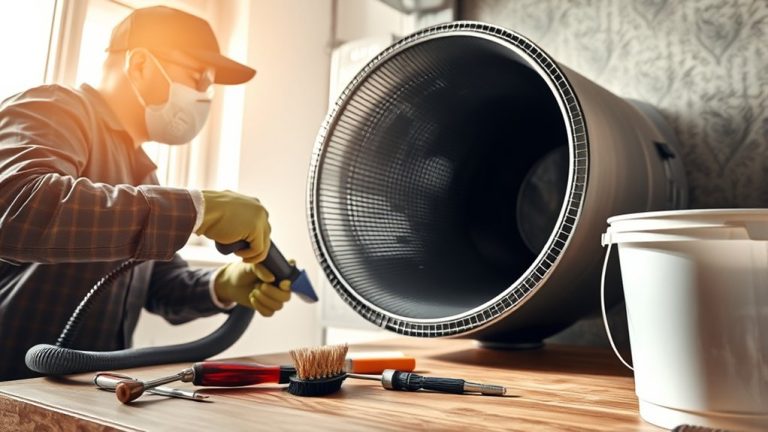
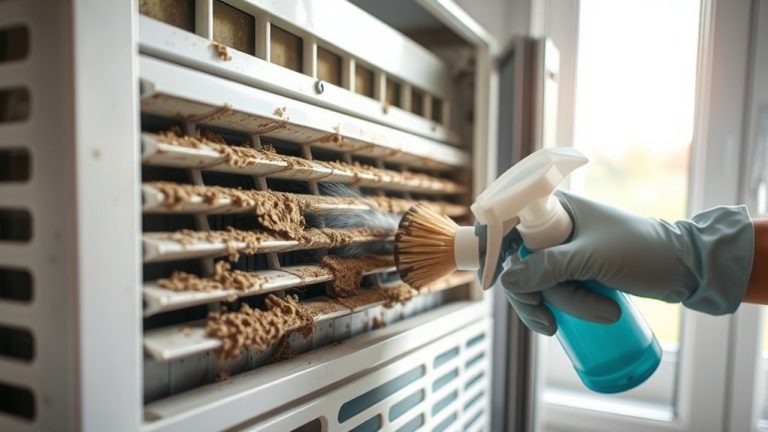
To clean your outdoor AC unit effectively, use a garden hose to spray down the condenser coils, removing dirt and debris that block airflow. Clearing buildup between the fins is essential to improve airflow and enhance cooling efficiency, making your air conditioner colder.
Regular maintenance, ideally every two weeks during peak months, guarantees optimum performance and reduces energy consumption. Keep the surrounding area free of vegetation and debris to further improve airflow and allow cool air to circulate efficiently.
Avoid using spray foam on the unit, as it can trap moisture and dirt.
Consistent cleaning maintains your AC’s ability to deliver cool air while minimizing energy costs. It’s a simple step that really makes a difference in how well your unit works and how much you spend on energy.
Keep Your Air Conditioner Filters Clean and Replace Often
Although it may seem like a small detail, keeping your air conditioner filters clean and replacing them regularly is essential for maintaining optimal airflow and cooling efficiency.
Dirty filters accumulate dirt and dust, restricting airflow and forcing your air conditioner to work harder. This reduces cooling efficiency and increases energy costs.
Dirty filters block airflow, making your air conditioner work harder and raising energy costs.
You should inspect and replace filters every month, especially if you have pets, to guarantee peak performance.
Clean filters not only improve energy efficiency but also enhance indoor air quality by trapping allergens and contaminants. Timely replacement supports proper maintenance and extends your system’s lifespan.
For precise guidance on locating and replacing filters, consult a technician.
Prioritizing filter upkeep guarantees your air conditioner runs efficiently, delivering cooler air while minimizing energy consumption.
It really makes a difference in keeping your home comfortable without wasting energy.
Seal Air Leaks to Keep Cool Air Inside Your Home
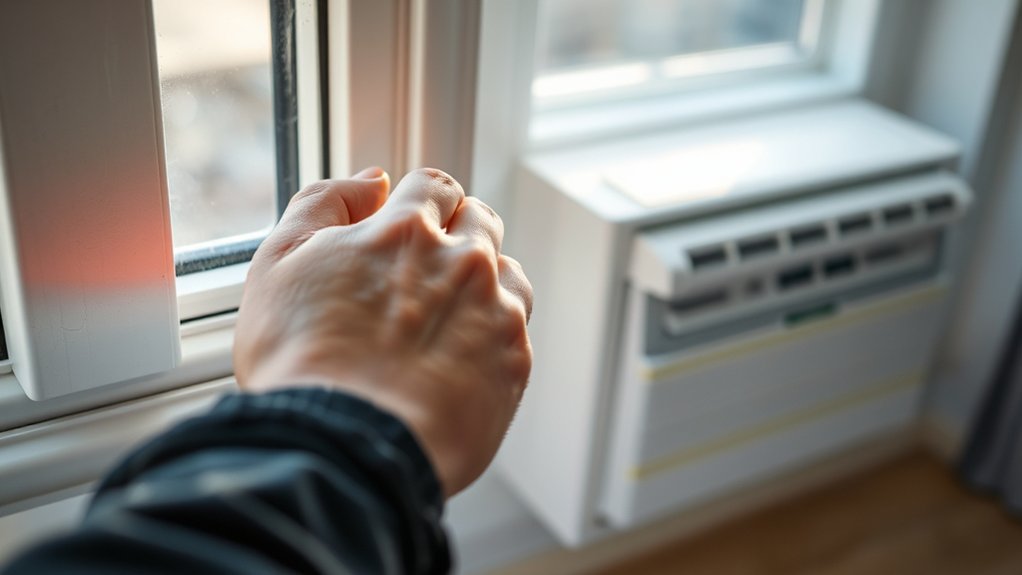
Because even small gaps around windows and doors allow cool air to escape, sealing air leaks is essential to maintaining your air conditioning unit’s efficiency.
To keep colder air inside and reduce energy waste, you should inspect windows and doors for gaps and cracks using a light test to detect drafts.
Use caulk and weatherstripping to seal small leaks around frames. For larger gaps near plumbing and electrical fixtures, apply expandable spray foam. It really helps to keep the cool air in where it belongs.
Make sure to regularly check weatherstripping tape and replace it when it’s worn out to guarantee a tight seal.
Also, keep your filters clean to help the system circulate air efficiently. This minimizes warm air from sneaking in and keeps your home comfortable.
Frequently Asked Questions
Can Closing Vents in Unused Rooms Improve Cooling Efficiency?
Yes, vent closing in unused rooms can improve cooling efficiency by redirecting airflow to occupied spaces. This helps enhance room temperature and comfort levels.
However, you need to maintain airflow balance to avoid restricting airflow, which can stress the duct system. That stress might reduce HVAC maintenance intervals and lower energy efficiency.
Partial vent closing is a good way to keep proper air distribution and control humidity.
Also, regular system checks help guarantee peak performance without compromising your air conditioning system’s integrity.
Does Using a Ceiling Fan Help the Air Conditioner Cool Better?
Yes, using a ceiling fan greatly enhances your air conditioner’s cooling efficiency.
The ceiling fan benefits include improved airflow and better air circulation, which help maintain an even room temperature and create effective cooling zones.
Adjust fan speed and positioning strategically to optimize summer comfort and humidity control.
This airflow improvement reduces the A/C’s workload, promotes energy efficiency, and helps you save on cooling costs while extending your unit’s lifespan.
How Does Thermostat Placement Affect Air Conditioner Performance?
Your thermostat location subtly governs your AC’s efficiency by balancing temperature sensitivity and airflow dynamics.
Avoid heat sources and sun exposure to prevent false readings that disrupt thermostat calibration.
Think about how insulation and room size affect the ideal placement. This helps ensure accurate climate control.
And if you want to step it up, integrating zoning systems can boost performance even more.
Proper thermostat placement doesn’t just refine comfort. It also improves energy efficiency, letting your system work smarter, not harder.
Is It Better to Keep the AC on All Day or Use a Timer?
You should use a timer instead of keeping the AC on all day to boost AC efficiency and reduce energy costs.
Timers help maintain ideal settings, preventing temperature fluctuations and excessive cooling cycles that strain your system.
Proper air circulation, insulation quality, and system sizing all complement timer use.
Following maintenance tips guarantees peak performance, while controlling humidity levels enhances comfort.
Using a timer balances cooling needs with energy savings effectively.
It’s a smart way to keep cool without running up your energy bill.
Can Upgrading to a Smart Thermostat Make My AC Cooler?
Yes, upgrading to a smart thermostat enhances temperature control, boosts energy savings, and offers remote access.
With smart features like scheduling options, learning capabilities, and humidity regulation, you can maintain ideal cooling efficiently.
Its user-friendly interface and maintenance alerts simplify operation and upkeep.
These cost benefits improve your AC’s performance by preventing overuse and fluctuations.
This ensures a consistently cooler environment while reducing energy waste and extending your system’s lifespan.
Conclusion
To make your air conditioner cooler, remember that “a stitch in time saves nine.” Regularly clean your outdoor unit and replace filters to keep the airflow smooth and efficient. This simple step really helps your AC perform better.
Don’t forget to seal any air leaks. This stops cool air from escaping and keeps your energy bills down. It’s an easy fix that makes a big difference.
By doing these things, you make sure your AC runs at its best. Your home stays comfortably cool, and you save money on energy. Keeping up with maintenance is the secret to lasting comfort and efficiency.