Can an Air Conditioner Make You Sick?
Yes, an air conditioner can make you sick if it’s poorly maintained. It can circulate allergens, bacteria, mold spores, and harmful chemical vapors that trigger headaches, respiratory issues, and skin irritation.
Low humidity from AC use also dries out your mucous membranes, increasing infection risks. Regular cleaning, filter changes, and humidity control are essential to prevent these problems.
Understanding how AC affects your indoor environment helps you protect your health effectively and comfortably. It’s all about keeping things clean and balanced to stay feeling good.
What Is Sick Building Syndrome From Air Conditioning?
Although air conditioning provides comfort, it can also contribute to Sick Building Syndrome (SBS). This condition happens when prolonged exposure to air-conditioned environments triggers symptoms like headaches, dizziness, respiratory problems, skin irritation, and fatigue.
When you spend extended time in such settings, the indoor air quality often gets worse because of allergens, chemical vapors, and microorganisms circulated by malfunctioning air conditioning systems. This poor air quality directly influences the onset of SBS.
A 2023 study confirmed that air conditioner users report more allergies and reduced lung function compared to non-users.
To reduce your risk, regular maintenance of air conditioning units is essential. Proper upkeep prevents dust, mold, and bacteria from building up. This helps keep the air cleaner and decreases the chances of developing sick building syndrome.
Common Symptoms of AC-Related Sick Building Syndrome
What common symptoms should you watch for if you spend significant time in air-conditioned environments? Exposure to poorly maintained air conditioning systems can trigger sick building syndrome, causing various health effects.
You might experience headaches and dizziness from prolonged exposure to stagnant air.
Respiratory issues like coughing and nasal congestion can also occur, especially because of cold, dry air. Throat irritation, including soreness and dryness, is common due to airway sensitivity.
Cold, dry air can cause coughing, nasal congestion, and throat irritation due to increased airway sensitivity.
Fatigue and skin irritation might show up too, linked to the environment inside air-conditioned spaces. These symptoms usually get worse the longer you stay indoors but tend to go away once you leave the area.
Recognizing these signs early can help you tackle potential air quality problems related to air conditioning systems. It also lowers your chance of developing more serious respiratory issues.
How Dirty Air Conditioning Units Spread Bacteria and Fungi
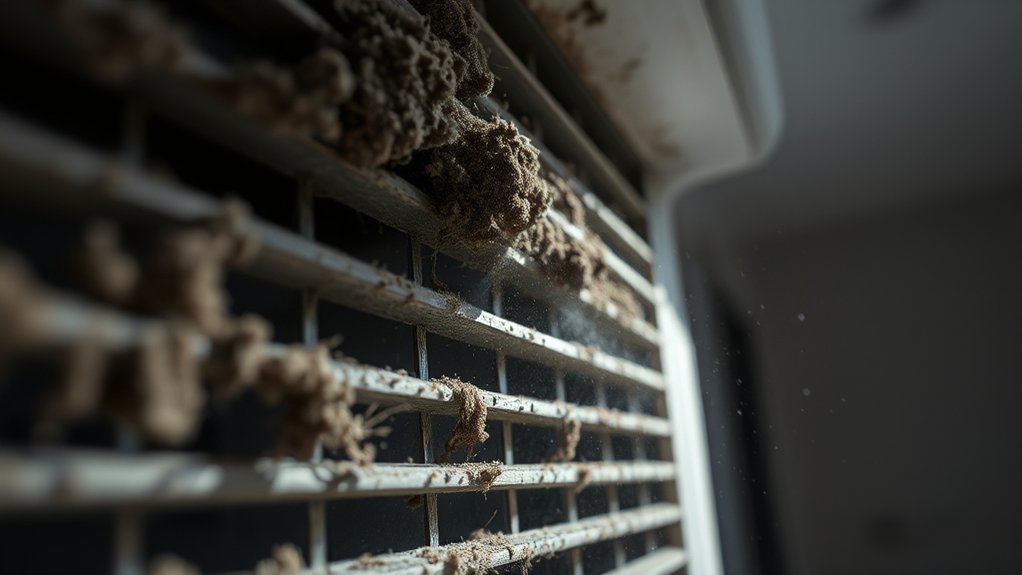
When your air conditioning unit gets dusty and damp, it becomes a perfect place for bacteria and fungi to grow.
Harmful microbes, like Legionella and mold spores, can then spread through the air around you. This can increase your chances of getting respiratory infections and other health problems.
Knowing how these contaminants build up helps you see why regular AC maintenance is so important.
Keeping your unit clean isn’t just about comfort—it’s about protecting your health too.
Microbial Growth in AC
Because air conditioning units often collect dust and moisture, they create perfect conditions for microbial growth. Microorganisms, including bacteria and fungi, thrive in these environments, especially when maintenance is neglected.
Air conditioning units can harbor Legionella pneumophila, the bacterium responsible for Legionnaires disease, which poses serious health risks. Fungi such as Aspergillus and Penicillium also proliferate, particularly on surfaces where condensation forms.
To control microbial growth in AC units, you should focus on a few key things. Regularly cleaning and disinfecting coils and drip pans is important.
Also, changing air filters frequently helps a lot. Reducing moisture accumulation within the system is another crucial step.
And don’t forget to schedule professional maintenance inspections regularly.
Taking these steps can minimize the risk of airborne microbial contamination and help keep your indoor air healthier. It’s really worth the effort!
Health Risks From Contaminants
Neglected air conditioning units not only foster microbial growth but also actively spread bacteria and fungi throughout your indoor environment. Dust and moisture create ideal conditions for pathogens like Aspergillus and Penicillium. This increases airborne infections and respiratory illnesses, including pneumonia and Legionnaires’ disease.
Dirty filters make things worse by harboring allergens and microbes. This elevates the risks of sick building syndrome.
| Contaminant Type | Health Impact |
|---|---|
| Bacteria | Pneumonia, Legionnaires’ |
| Fungi | Allergies, respiratory issues |
| Dust | Allergen accumulation |
| Moisture | Microbial growth catalyst |
| Dirty Filters | Pathogen breeding grounds |
Regular maintenance of air conditioning systems, including cleaning and filter replacement, is essential. It helps reduce these health risks and keeps your indoor air quality safe.
Why Mold and Mildew Thrive in Poorly Maintained AC Systems
You’ll notice that moisture building up in your AC system creates the perfect environment for mold and mildew to thrive.
If you don’t change the filters regularly, dust and spores start to pile up, which only helps these microbes grow even more.
Moisture Encourages Microbial Growth
When air conditioning systems aren’t properly maintained, they often accumulate moisture that fosters the growth of mold and mildew. This moisture creates an ideal environment for microbial growth, including fungi like Aspergillus and Penicillium, and bacteria such as Legionella pneumophila.
You need to understand how moisture impacts indoor air quality through AC maintenance. Condensation on coils, if unchecked, promotes fungal colonization. Elevated humidity in AC units supports bacterial pathogens.
Microbial growth can trigger allergic reactions and respiratory issues.
But don’t worry—regular cleaning and dehumidifying can prevent moisture buildup effectively. Keeping up with maintenance really makes a difference.
Filter Neglect Promotes Mold
If you don’t change your air conditioning filters regularly, moisture and organic debris can accumulate. This creates a prime environment for mold and mildew growth. Filter neglect promotes mold, which releases spores into indoor air. These spores can potentially cause respiratory issues and allergic reactions.
Harmful fungi like Aspergillus and Penicillium thrive in these damp, neglected filters. To maintain healthy indoor air quality, it’s best to change your filters every 1-2 months.
| Condition | Effect on AC System | Health Impact |
|---|---|---|
| Moisture | Encourages mold growth | Cough, throat irritation |
| Organic Debris | Provides nutrients for mold | Allergic reactions |
| Dirty Filters | Harbors harmful fungi | Fatigue, respiratory problems |
Regular maintenance helps prevent mold buildup and keeps your indoor air environment safe and healthy.
How Low Humidity From AC Increases Infection Risks
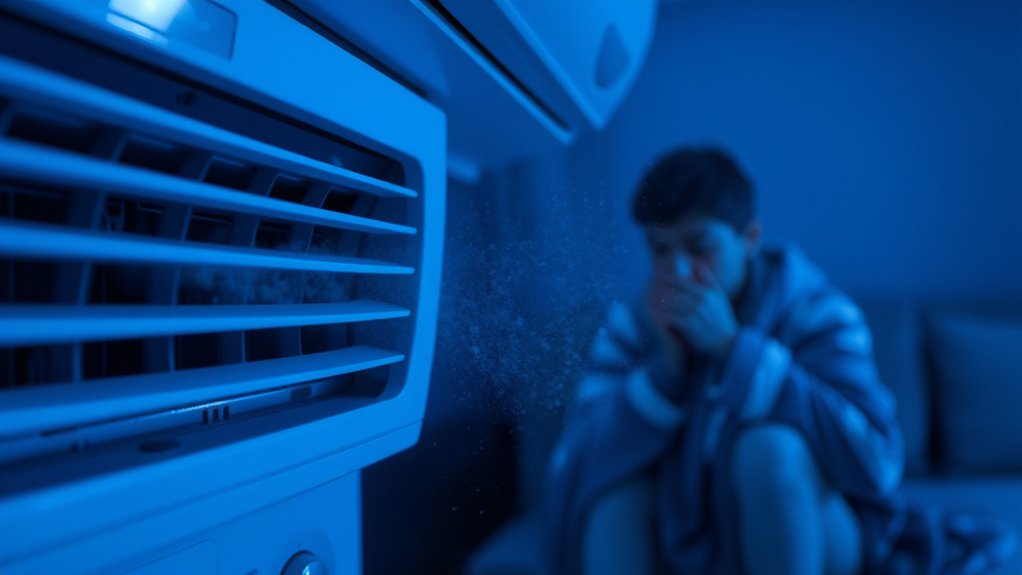
Although air conditioners provide relief from heat, they often lower indoor humidity to levels that dry out your mucous membranes. This makes you more vulnerable to respiratory infections.
AC-generated dry air reduces the moisture in your nasal and throat linings, which weakens their ability to trap and eliminate viruses.
Maintaining indoor humidity between 40% and 60% is essential to inhibit pathogen survival and transmission. So, it really helps to keep an eye on those moisture levels.
To reduce infection risks in dry environments, you should:
- Monitor humidity with a hygrometer regularly.
- Use humidifiers to restore ideal moisture levels.
- Avoid prolonged exposure to excessively dry air.
- Stay hydrated to support mucosal defenses.
These simple steps can make a big difference in keeping you healthier when the air feels dry from AC.
Health Risks From Chemical Vapors in Air Conditioning Systems
You should know that chemical vapors from cleaning agents and refrigerants in poorly maintained air conditioners can release toxic substances like benzene and formaldehyde into the indoor air.
These chemicals aren’t something to take lightly because they can irritate your respiratory system.
This irritation might lead to symptoms such as headaches, skin irritation, and allergic reactions.
Chemical Vapors Overview
When air conditioning systems aren’t properly maintained, they can release chemical vapors from cleaning agents and refrigerants that irritate your respiratory system. These vapors contribute to indoor air pollution and may worsen symptoms associated with sick building syndrome, such as headaches and dizziness.
To protect your health, it’s important to understand the key factors involved:
- Chemical vapors come from volatile organic compounds trapped and recirculated by poorly serviced AC units.
- Prolonged exposure is linked to more allergies and reduced lung function.
- Toxic substances in vapors can cause chronic respiratory issues over time.
- Regular AC maintenance and cleaning are essential to minimize harmful chemical vapor circulation and improve indoor air quality.
Proper AC maintenance directly reduces chemical vapor emissions and helps safeguard your respiratory health. It’s a simple step that makes a big difference.
Common Toxic Chemicals
Because air conditioning systems can trap and circulate chemical vapors from cleaning agents and refrigerants, understanding the specific toxic chemicals involved is essential to evaluating health risks.
Toxic chemicals such as benzene, formaldehyde, and toluene often accumulate in poorly maintained units, posing threats to your respiratory system.
These compounds, along with volatile organic compounds (VOCs), degrade indoor air quality and may trigger symptoms like headaches, throat irritation, and fatigue.
If the system isn’t properly maintained, chemical vapors can build up, increasing your sensitivity to pollutants and making conditions like asthma worse.
Regular cleaning and upkeep are critical to minimizing the release of these hazardous chemicals.
That way, your air conditioner supports a healthier environment instead of compromising it.
Health Effects Exposure
Poorly maintained air conditioning systems don’t just circulate air. They can also spread chemical vapors from cleaning products, refrigerants, and other indoor sources that irritate your respiratory system.
When you’re indoors, exposure to volatile organic compounds (VOCs) from an AC unit can cause headaches, throat irritation, and even chronic respiratory problems. Toxic chemicals like benzene, formaldehyde, and toluene may build up over time, increasing long-term health risks.
To minimize exposure, focus on good AC maintenance by:
- Regularly cleaning and servicing the air conditioning unit
- Reducing the use of harsh cleaning chemicals indoors
- Controlling moisture to prevent mold and bacterial growth
- Monitoring indoor air quality and ventilating spaces properly
These simple steps help protect your respiratory health by limiting harmful chemical vapors circulating in your environment. Taking care of your AC can really make a difference.
How Regular AC Maintenance Prevents Health Problems
Although many people overlook it, regular maintenance of your air conditioning system plays an essential role in preventing health problems. Changing filters every 1-2 months reduces allergens like bacteria, fungi, and mold, which helps minimize respiratory issues and Sick Building Syndrome.
Proper air conditioning maintenance also controls humidity, limiting the growth of harmful microorganisms and promoting healthier indoor air. Annual HVAC inspections detect and fix potential faults that could spread airborne pathogens and improve overall air quality.
Cleaning ducts and units removes dust and volatile organic compounds that contribute to headaches and chronic respiratory conditions. Using high-efficiency filters (MERV 11 or 13) traps fine particles effectively, reducing the risks of illness.
Balancing Comfort and Health When Using Air Conditioning
How can you balance comfort and health when using air conditioning? To maintain well-being while you work in air-conditioned environments, consider these key practices:
- Monitor symptoms like fatigue and headaches to detect potential health effects early.
- Adjust temperature settings to avoid excessive cooling, which can dry mucous membranes and increase infection risk.
- Guarantee proper ventilation to enhance indoor air quality and reduce allergen accumulation.
- Maintain humidity levels between 40% and 60% to prevent respiratory irritation.
Keeping these tips in mind will help you stay comfortable without compromising your health.
It’s all about finding that sweet spot where you feel good and your body stays well.
Using Air Purifiers and Humidity Control With Air Conditioning
Beyond adjusting temperature and ventilation, incorporating air purifiers and managing humidity levels can greatly improve indoor air quality when using air conditioning.
Air purifiers with HEPA filters effectively trap airborne contaminants such as allergens and VOCs. Plus, those with carbon filters reduce harmful VOCs that standard air conditioning systems often miss.
Maintaining humidity control between 40% and 60% is essential to inhibit mold and bacterial growth. This is important because these can worsen respiratory issues.
Using a hygrometer to monitor humidity helps you make timely adjustments to your air conditioning system. That way, you prevent environments that encourage illness.
Combining air purifiers with proper humidity control considerably lowers risks associated with sick building syndrome. It also enhances overall indoor air quality.
In the end, this promotes a healthier living environment for you and your family.
When to See a Doctor for Air Conditioning-Related Symptoms
When should you see a doctor for symptoms related to air conditioning? If you work in air-conditioned environments and notice persistent or worsening symptoms, it’s important to consult a healthcare professional promptly.
Pay attention to these signs: persistent respiratory symptoms like cough, wheezing, or shortness of breath after exposure to air conditioning.
Frequent headaches or fatigue that improve when away from air-conditioned spaces. Skin irritations or dryness that worsen in air-conditioned areas.
Also, watch for worsening symptoms of pre-existing conditions such as asthma or allergies linked to air conditioning exposure.
Regularly consulting a healthcare professional can help manage chronic symptoms and guarantee proper diagnosis, especially if you’re frequently ill in air-conditioned environments.
It’s better to get checked early to avoid complications.
Frequently Asked Questions
Can Air Conditioners Cause Dehydration During Prolonged Use?
Yes, air conditioners can cause dehydration during prolonged use by markedly lowering humidity levels indoors.
When humidity drops below the ideal range, the cold, dry air strips moisture from your skin, leading to skin dryness. It also affects your mucous membranes, increasing the risk of respiratory issues like dry throat and nasal irritation.
To prevent dehydration, you should stay hydrated and monitor indoor humidity levels with a hygrometer regularly.
It’s a good idea to keep an eye on how dry the air feels and drink plenty of water throughout the day. That way, you can stay comfortable and avoid those annoying side effects.
Do Energy-Efficient AC Units Impact Indoor Air Quality Differently?
You know what they say: “An ounce of prevention is worth a pound of cure.”
Energy-efficient AC units impact indoor air quality positively by controlling indoor humidity and using advanced filtration. These systems reduce pollutants better than older models.
But their benefits depend on consistent maintenance practices. Without proper upkeep, even the most energy-efficient units can allow harmful contaminants to build up.
That can undermine air quality and your health. So, keeping them well-maintained is really important.
How Does Air Conditioning Affect Sleep Quality and Patterns?
Air conditioning improves your sleep quality by maintaining an ideal sleep temperature between 60-67°F, promoting deeper rest.
Proper humidity control prevents mucous membrane dryness, reducing respiratory discomfort that can disrupt sleep.
Efficient airflow patterns guarantee even cooling and fresh air circulation, preventing hot spots or stuffiness.
But setting temperatures too low or neglecting humidity can cause discomfort and frequent awakenings.
Regular AC maintenance is essential to support these benefits consistently.
It keeps your system running smoothly so you can enjoy better sleep night after night.
Are Portable Air Conditioners Safer Than Central Systems for Allergies?
Think of portable air conditioners as a gardener tending one flowerbed, while central systems try to water an entire field.
You’ll find portable units often safer for allergies because they offer localized control over air quality and allergen exposure.
They let you clean filters more easily and manage humidity control precisely in specific areas.
Central systems risk spreading allergens through ducts.
Can Air Conditioning Contribute to the Spread of Viruses Like the Flu?
Yes, air conditioning can contribute to virus transmission risks by circulating air that carries pathogens, especially when air filter maintenance is neglected.
You should monitor indoor humidity levels, as low humidity from AC use dries out your mucous membranes, making you more vulnerable to infections like the flu.
To reduce these risks, regularly clean and replace filters.
Also, maintain ideal humidity levels to limit virus survival and spread in indoor environments.
Taking these steps can really help keep the air healthier for everyone.
Conclusion
Don’t let your air conditioner become a silent saboteur of your health. Just like a garden needs tending, your AC requires regular maintenance to prevent bacteria, mold, and dry air from turning your space into a breeding ground for illness.
By balancing comfort with care, using air purifiers and humidity control, you can breathe easier and stay healthier. If symptoms persist, don’t hesitate to see a doctor promptly to protect your well-being.