Why Is My Air Conditioner Not Cooling the House?
Your air conditioner might not be cooling because airflow restrictions like dirty filters or blocked vents reduce efficiency and can freeze evaporator coils.
Low refrigerant levels or leaks limit heat absorption, which causes warm air. Dirty outdoor condenser coils also make it harder to release heat, putting extra strain on the system.
Mechanical issues or an undersized unit can affect performance too. Understanding these factors helps you diagnose problems and improve cooling.
Keep going to explore key signs, fixes, and when to seek professional help.
Why Isn’t My Air Conditioner Cooling?
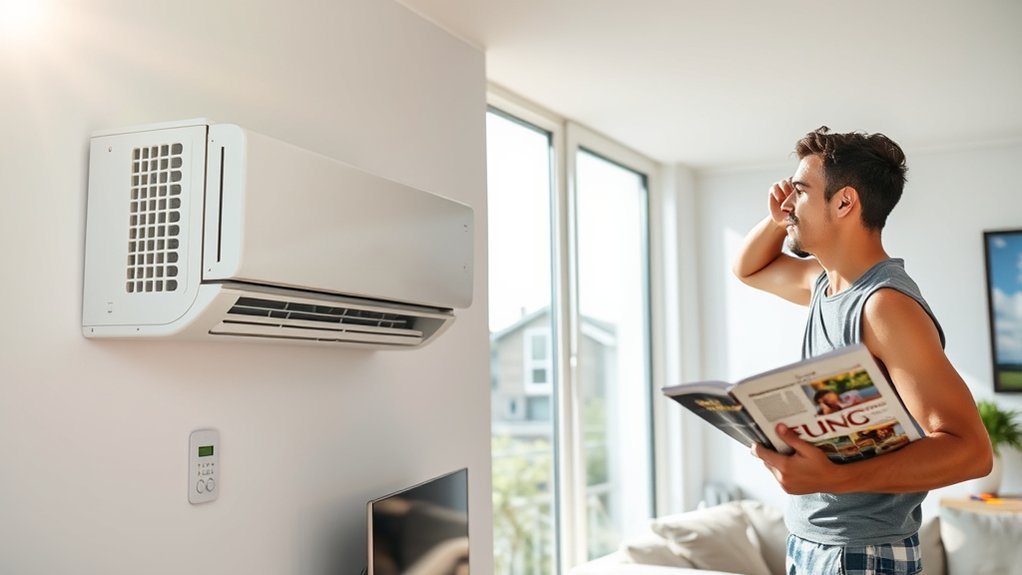
Why isn’t your air conditioner cooling properly? Several factors can cause this issue.
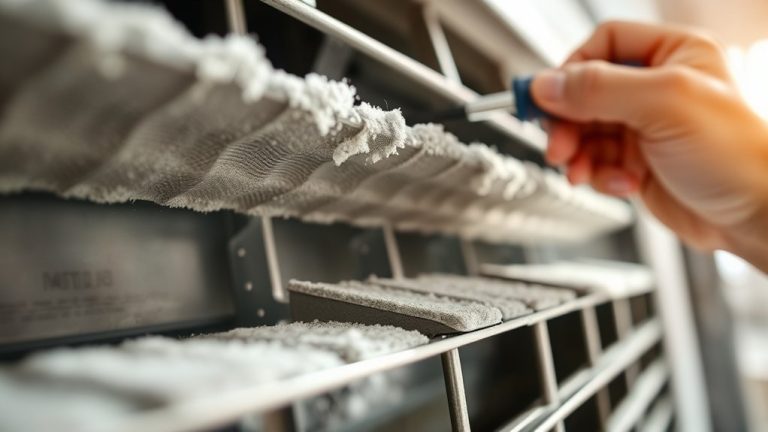
First, airflow issues such as a dirty air filter or blocked vents and ducts restrict airflow, reducing cooling efficiency and potentially freezing the evaporator coils.
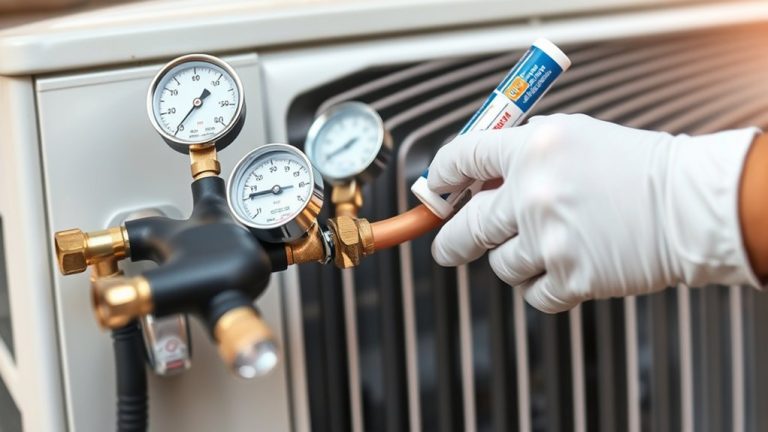
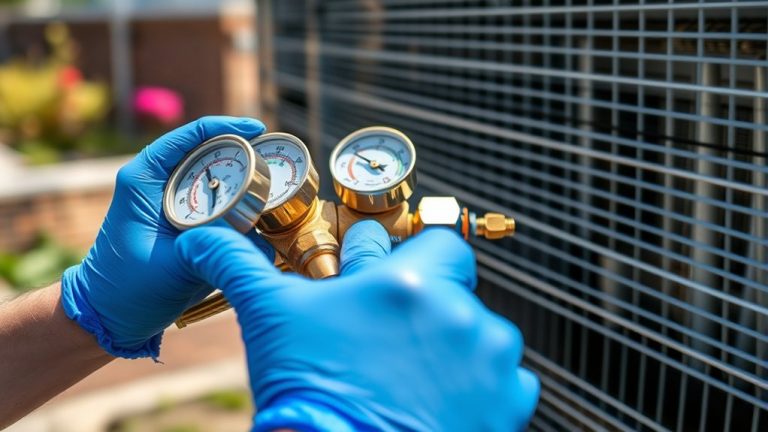
Refrigerant problems, particularly low refrigerant levels caused by leaks, impair the AC’s ability to absorb heat, resulting in warm air output.
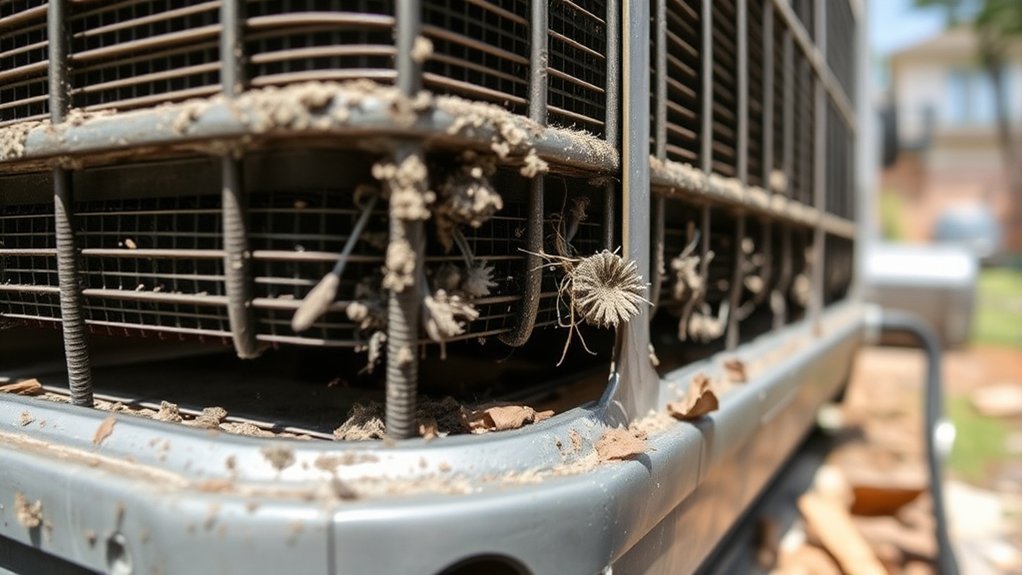
Outdoor unit maintenance is essential. Clogged condenser coils prevent effective heat release, which degrades performance.
For accurate AC troubleshooting, inspect these components carefully.
Ensuring correct thermostat settings supports proper operation but won’t fix underlying mechanical issues.
How to Check and Adjust Thermostat Settings
After checking for airflow blockages and refrigerant issues, verifying your thermostat settings is a key step in diagnosing cooling problems.
First, confirm your thermostat is set to “Cool” mode and the temperature is set below the current room temperature to initiate cooling. If you have a digital model, check and replace batteries regularly to prevent a malfunctioning thermostat.
Avoid installing the thermostat near heat sources such as lamps or appliances to maintain accurate temperature readings.
For smart thermostats, perform a hard reset by powering the device off and on to clear glitches.
Finally, monitor and adjust settings periodically to reflect outdoor temperature changes and maintain indoor comfort.
Proper thermostat management guarantees your air conditioner operates efficiently.
Why Dirty Air Filters and Blocked Vents Hurt Cooling
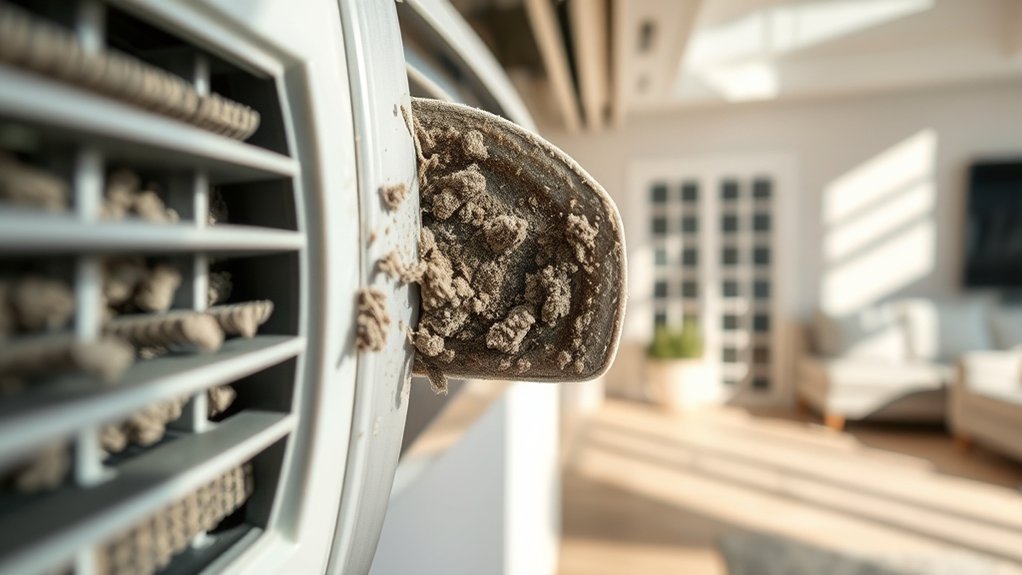
When your air filters get dirty or your vents become blocked, your air conditioner struggles to maintain proper airflow. This directly reduces its cooling efficiency.
Dirty air filters restrict airflow, causing the evaporator coils to freeze and impair the AC unit’s cooling performance.
Blocked vents prevent conditioned air from circulating efficiently, creating uneven temperatures and increasing strain on the system. This strain decreases system efficiency by up to 15%, which can drive up energy bills and risk costly repairs.
To maintain peak cooling efficiency, you should prioritize regularly changing filters every 1-3 months.
Also, make sure vents remain unobstructed by furniture or debris. Proper airflow is essential for preserving the AC unit’s performance and preventing premature failure.
That way, your home stays comfortably cool.
How Dirty Outdoor AC Condenser Coils Affect Cooling
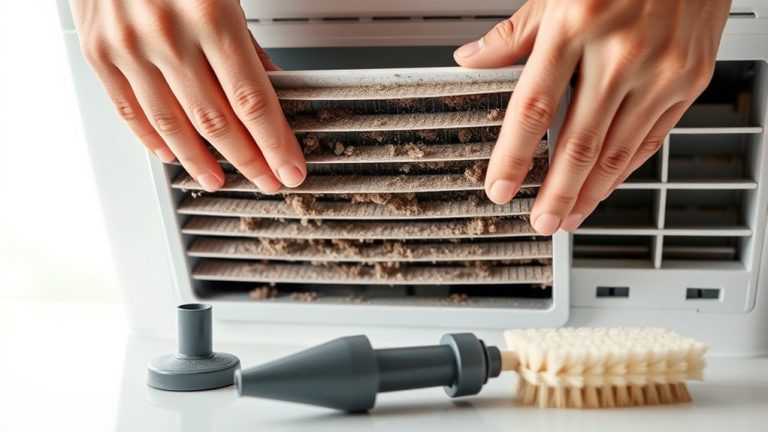
Although your indoor components may be well-maintained, dirty outdoor AC condenser coils can seriously hinder your system’s ability to release heat efficiently. When dirt and debris build up, they block airflow, which lowers efficiency and makes your energy bills go up. This means your unit has to work harder to keep your home at the right temperature, which drags down overall cooling performance.
If you skip cleaning those condenser coils, the compressor can overheat, and that might lead to your whole system breaking down.
| Impact | Consequence |
|---|---|
| Dirty outdoor AC condenser coils | Reduced heat release |
| Impeded airflow | Increased energy consumption |
| Compressor overheating | Potential system failure |
Keeping those coils clean helps your system release heat better, boosts cooling performance, and saves you from expensive repairs down the line.
Signs and Solutions for Refrigerant Leaks and Low Levels
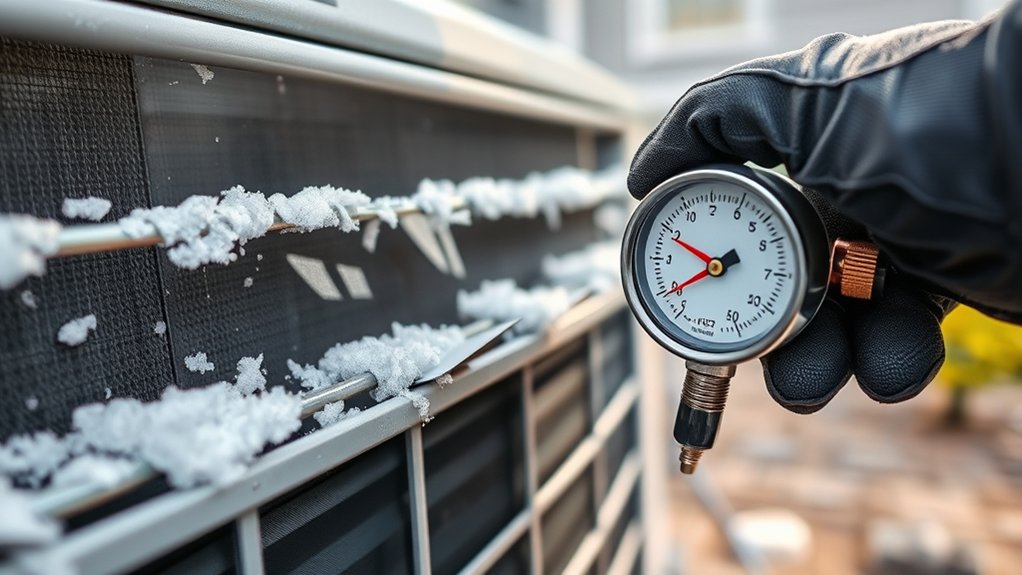
Dirty condenser coils aren’t the only factor that can compromise your air conditioner’s cooling ability. Refrigerant leaks and low levels also play a big role. When refrigerant leaks, it stops the system from absorbing heat properly, which often means warm air blowing from your vents.
Common causes of leaks include damaged coils, loose connections, or even improper installation. You might notice your air conditioner isn’t controlling the temperature well or that it’s running longer than usual. These signs usually mean it’s time to get it checked out.
Fixing these issues requires a licensed HVAC professional. They can inspect the system, repair any leaks, and safely recharge the refrigerant.
Regular maintenance is key because it helps catch low refrigerant levels early on. This way, your system stays at peak performance and you avoid harming the environment.
Always rely on a qualified HVAC pro to handle refrigerant repairs. They’ll protect your air conditioner and keep it running efficiently.
How Frozen Evaporator Coils Affect Cooling and What to Do
If airflow becomes restricted because of a clogged air filter or blocked vents, your evaporator coils can freeze. When this happens, they can’t absorb heat efficiently. Frozen evaporator coils cause ice to form, which blocks heat exchange.
This forces the air conditioner to blow warm air and drastically reduces cooling performance. Usually, a dirty air filter or vent obstructions cause this issue. But low refrigerant levels can also cause freezing since there isn’t enough pressure.
To fix this, immediately turn off the air conditioner and let the ice melt. After that, check the airflow by inspecting and replacing dirty air filters and clearing any blocked vents.
Regular maintenance is key to preventing freezing. It keeps airflow unobstructed and refrigerant levels adequate.
How an Undersized or Old AC Fails to Cool Your Home
Beyond frozen evaporator coils and airflow issues, the size and age of your air conditioner greatly impact its cooling ability.
An undersized air conditioner struggles to manage the thermal load of larger spaces, causing uneven cooling and insufficient airflow. This means some rooms might feel warm while others stay cool.
Similarly, an aging AC unit, typically over ten years old, loses cooling efficiency because of wear and tear. This leads to poor refrigerant circulation and higher energy bills.
Poor insulation makes these problems worse by forcing your HVAC system to work harder to maintain the temperature.
Upgrading to a properly sized, modern unit can boost cooling efficiency by 20-50%, cut energy consumption, and provide consistent airflow.
Taking care of these factors is key to restoring ideal home comfort and getting the best performance out of your system.
When to Call a Professional for Air Conditioner Repairs
When should you call a professional for air conditioner repairs? If your AC system runs but doesn’t cool after basic troubleshooting or thermostat setting adjustments, it’s time to call a professional.
Persistent issues like frozen coils, unusual noises, or suspected refrigerant leaks require a professional HVAC contractor. Older units showing reduced energy efficiency or frequent breakdowns also need expert assessment.
Use the table below to identify common culprits and when to seek professional help:
| Symptom | Common Culprit | Action |
|---|---|---|
| No cooling | Refrigerant leak | Call a professional |
| Frozen coils | Dirty condenser | Schedule maintenance |
| Frequent breakdowns | Old AC system | Professional evaluation |
| Thermostat issues | Wiring/control | Expert troubleshooting |
| Unusual noises | Mechanical faults | Immediate professional help |
Don’t delay. Professional intervention guarantees peak performance and safety.
Frequently Asked Questions
Can a Dirty Duct System Cause Poor Air Conditioning Performance?
Yes, a dirty duct system can cause poor air conditioning performance because dirt buildup blocks airflow.
It’s important to prioritize duct cleaning and duct sealing to help improve airflow and air quality.
Insulation problems and vents that aren’t placed properly can also affect how well your system works.
Regular maintenance, like changing filters and testing performance, helps catch these issues early.
That way, your AC can run smoothly and keep your home cool and comfortable all the time.
How Does Humidity Affect My Air Conditioner’s Cooling Efficiency?
Humidity levels directly impact your air conditioner’s cooling efficiency by increasing the dehumidification process needed for effective moisture control. High humidity forces your system to work harder, reducing HVAC performance and indoor comfort while raising energy consumption.
Seasonal changes and weather impact moisture levels, challenging your air conditioner to maintain ideal conditions. Managing humidity guarantees improved cooling efficiency and prolongs your unit’s lifespan during humid, hot periods.
Is It Normal for My AC to Blow Warm Air Sometimes?
It’s normal for your AC to blow warm air briefly, but persistent warm air signals issues. Use AC troubleshooting tips: check thermostat settings first, then inspect refrigerant levels and compressor issues.
Maintenance routines help avoid airflow blockages and insulation problems, preventing warm air causes.
If problems persist, consider emergency repairs or system upgrades to restore cooling efficiency and protect your home’s comfort.
Can Using Ceiling Fans Improve My Ac’s Cooling?
Yes, using ceiling fans improves your AC’s cooling by enhancing airflow and promoting home ventilation.
Proper fan placement and setting the fan speed to counterclockwise create effective cooling zones, boosting summer comfort and humidity control.
This synergy helps regulate temperature, which means you can raise the thermostat a bit and still stay comfortable. That’s a great way to increase energy efficiency.
Fans circulate cool air evenly, reducing your AC’s workload and lowering energy costs while keeping your indoor conditions just right.
Does the Size of My House Impact the Choice of Air Conditioner?
Yes, the size of your house directly impacts the Air Conditioner Types and BTU Calculation you need.
Proper Insulation Quality, Window Placement, and Home Layout affect unit efficiency and energy consumption. You must match duct size and system capacity to your space for ideal cooling.
Regular System Maintenance and precise Thermostat Settings keep performance steady. Consulting a professional guarantees the right balance, preventing oversize issues and improving overall comfort and efficiency.
It’s all about finding the perfect fit for your home to stay cool without wasting energy.
Conclusion
If your air conditioner isn’t cooling properly, you’re not alone. Studies show that 30% of AC units underperform because of poor maintenance. By adjusting your thermostat, cleaning filters and coils, and checking for refrigerant leaks or frozen coils, you can restore efficiency.
If your unit is old or undersized, it might be time to consult a professional. Regular upkeep guarantees your AC cools effectively, saves energy, and extends its lifespan. Taking care of these things can really make a difference.