
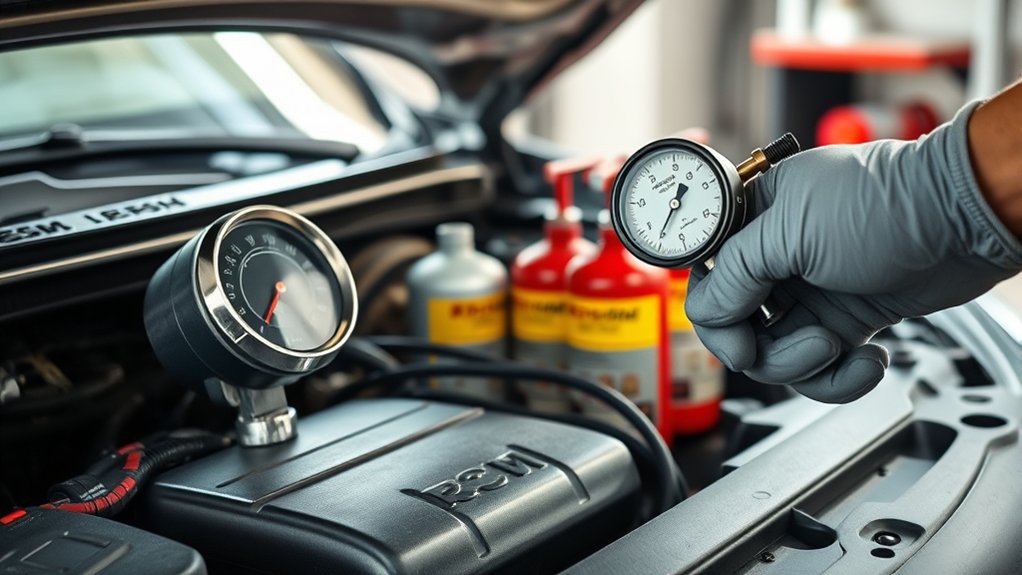
How Much to Recharge Car Air Conditioner Gas: 10 Price Options
You’ll typically spend between $250 and $500 to recharge your car’s AC gas. The cost varies depending on the refrigerant type, vehicle model, and how complex the service is.
Using R1234yf refrigerant can raise prices quite a bit compared to R134a. DIY kits are available too, usually costing between $40 and $130, but they do require careful handling.
Seasonal demand and leak repairs might also affect the price. Knowing these factors can help you pick the best option and avoid costly mistakes. There are deeper insights available to guide you further if you want to learn more.
Typical Cost to Recharge Car AC
Although the cost to recharge your car’s air conditioner varies, you can generally expect to pay between $250 and $500 for professional service. AC recharge costs depend largely on the refrigerant type your vehicle requires and the complexity of the job.
Professional service providers charge more if leak detection and repair are necessary, as these additional steps increase labor and materials. Typically, dealer services are about 25% more expensive than independent mechanics, making local shops a cost-effective option.
The typical cost to recharge car AC includes evacuating the system, vacuum testing for leaks, and refilling the correct refrigerant type to manufacturer specifications.
Regular maintenance, including recharges roughly every 100,000 miles, helps maintain efficient AC performance and prevents costly repairs down the line.
What Is AC Recharge and Why It Matters
When your car’s air conditioning system starts blowing warmer air or shows signs of leaks, it often means the refrigerant level is low and needs recharging.
An AC recharge involves removing old refrigerant, inspecting for leaks, and refilling the vehicle’s air conditioning system with the correct refrigerant. This process is essential to restore peak cooling performance and prevent damage.
An AC recharge removes old refrigerant, checks for leaks, and refills with the right refrigerant to restore cooling.
You might notice warmer air coming from the vents or a drop in cooling efficiency. Sometimes, you can even see refrigerant leaks around AC components. Plus, the compressor may work harder than usual.
Performing a timely AC recharge guarantees your system functions efficiently while extending its lifespan. Ignoring these signs can lead to costly repairs and compromised comfort.
How Your AC’s Refrigerant Type Impacts Recharge Cost

Your car’s AC refrigerant type has a big impact on how much a recharge will cost. For example, R134a is generally more affordable.
On the other hand, R1234yf tends to be pricier because it requires special handling.
Since R134a is being phased out, you might notice that its availability and price can fluctuate a lot. This is especially true for newer cars that use R1234yf.
So, it really helps to know which refrigerant your vehicle uses.
Refrigerant Types Comparison
Since the type of refrigerant your car’s AC system uses directly affects service costs, understanding the differences between R-134a and R-1234yf is essential. These refrigerant gases vary in price and environmental impact, influencing your AC recharge cost.
- R-134a is less expensive but faces phase-out due to high Global Warming Potential (GWP).
- R-1234yf is the modern standard, with a cost 5 to 10 times higher than R-134a.
- Handling R-1234yf requires specialized equipment, increasing service complexity and cost.
- Refrigerant choice affects not only immediate recharge expenses but also long-term maintenance and efficiency.
Knowing which refrigerant gas your vehicle uses helps you anticipate costs and plan maintenance strategically.
It’s always good to be a step ahead when it comes to your car’s AC system.
Cost Differences Explained
Two main refrigerants dominate car AC systems today, and the type your vehicle uses directly influences the cost to recharge it.
R-134a, common in older cars, is more affordable, with DIY recharge kits typically priced between $40 and $130. However, due to its higher Global Warming Potential, it’s being phased out.
Newer vehicles, especially those made after 2017, use R-1234yf, which is 5 to 10 times more expensive. The cost of an AC recharge with R-1234yf often ranges from $250 to $500 because it requires specialized recovery equipment and professional service.
If your vehicle needs a conversion from R-134a to R-1234yf, expect added labor costs.
Always check your under-hood sticker to identify the refrigerant type before you recharge your AC.
Comparing DIY AC Recharge Kits and Costs
Although DIY AC recharge kits offer a lower upfront cost ranging from $40 to $130, they require careful handling and proper tools to avoid overcharging or undercharging your car’s air conditioning system.
Using these kits without expertise can lead to inaccurate refrigerant levels, causing system inefficiency or damage.
Improper use of DIY kits may result in incorrect refrigerant levels, reducing efficiency or harming the AC system.
Consider these factors when deciding between DIY AC recharge kits and professional AC recharge services:
- DIY kits save initial expense but risk improper charging and potential costly repairs.
- Professional services cost $250-$350 and include system diagnosis and leak detection.
- Achieving the proper amount of refrigerant is essential to avoid additional cost to fix damage.
- Complex AC systems often require specialized tools and knowledge beyond DIY capabilities.
Choosing carefully helps maintain system integrity and performance.
It’s worth weighing the convenience and savings of DIY against the expertise and thoroughness of a professional.
What Professional AC Recharge Services Include
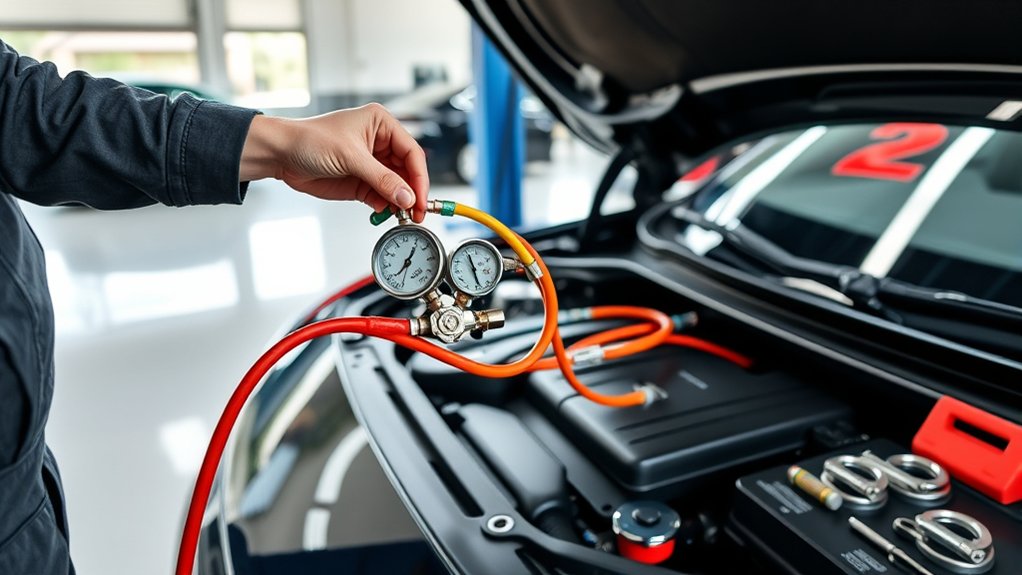
When you opt for a professional AC recharge service, technicians perform a detailed inspection and maintenance process to guarantee your system operates efficiently.
These professional services include a visual assessment of your AC system to detect damage or leaks. They evacuate the old refrigerant and conduct a vacuum test, ensuring the system is airtight.
If diagnostics reveal low refrigerant or other issues, like compressor faults, they address these to prevent future failures. After confirming system integrity, they recharge the AC with manufacturer-specified refrigerant, optimizing performance.
Many providers also offer warranties on their work, giving you confidence in the service’s reliability.
This extensive approach guarantees your AC system functions properly, maintaining cooling efficiency and prolonging its lifespan.
It’s a thorough process that really helps keep your system running smoothly for the long haul.
Extra Costs: Leak Repairs and Your Bill
If your car’s AC system has leaks, expect additional repair costs that can considerably increase your bill. Leaks can happen in different parts of the system, so they need prompt attention during an AC recharge.
These extra costs include labor for leak repairs, which usually ranges from $50 to $150 and gets added to your service bill. You’ll also need to cover parts and materials for sealing or replacing damaged components, typically costing between $100 and $500.
Then, there’s the price difference in refrigerant. For example, R-1234yf can be 5 to 10 times more expensive than R-134a, which affects the overall cost.
Plus, diagnostic fees may apply for thorough system checks that find hidden leaks or other issues.
Tackling leaks early on helps keep your total cost down. It also prevents you from having to recharge your AC repeatedly, so your cooling stays efficient and your system lasts longer.
Vehicle Make and Model Effects on AC Recharge Cost
You’ll notice that the cost to recharge your car’s AC can vary quite a bit depending on the make, model, and year.
For example, newer vehicles often need R-1234yf refrigerant. This stuff is a lot more expensive than the older R-134a, which is what most cars made before 2017 use.
On top of that, if you drive a luxury or European brand, expect the service to be a bit more specialized.
These cars usually require longer labor times, so that adds up and makes the overall recharge cost higher.
It’s just something to keep in mind when you’re budgeting for AC maintenance.
Vehicle Type Variations
Although the cost to recharge your car’s air conditioning system depends on several factors, the vehicle’s make and model play an essential role in determining service pricing. Different vehicle types require varied approaches, impacting your total expense.
Luxury or newer models often use R-1234yf systems. This can increase costs by 5 to 10 times compared to older refrigerants.
On the other hand, older vehicles generally have simpler AC systems, which lowers the cost to repair. But keep in mind, they might need extra work if there are leaks.
Some specific vehicle designs demand manufacturer-recommended recharge procedures. These usually require specialized tools and can raise labor fees.
Using an AC Recharge Kit tailored to your vehicle guarantees compatibility. However, pricing may vary based on refrigerant type and system complexity.
Understanding these variations helps you anticipate costs accurately. So, knowing what kind of vehicle you have can really save you some surprises down the road.
Model Year Influence
Since model year directly affects the type of refrigerant your vehicle uses, it plays an essential role in determining the cost to recharge your car’s AC system. Vehicles made after 2017 generally require R-1234yf refrigerant, which costs 5 to 10 times more than the older R-134a used in earlier models. This shift considerably raises recharge costs for newer AC systems.
Moreover, luxury and high-end models often feature specialized AC systems that demand proprietary refrigerants or complex servicing, which further increases expenses. Unique service requirements tied to specific makes and models can also impact pricing.
Keep in mind, dealer service centers typically charge about 25% more than local shops, especially for newer vehicles with advanced refrigerant systems.
How Season and Location Affect AC Recharge Cost
When demand spikes during peak summer months, the cost to recharge your car’s air conditioner can rise considerably, sometimes reaching between $350 and $500. This increase is influenced by seasonal fluctuations and geographic location. Understanding these factors can help you manage expenses effectively.
During peak summer, car AC recharge costs can soar to $350-$500 due to demand and location factors.
Seasonal fluctuations impact refrigerant availability. Rarer types like R1234yf become pricier during peak periods. So, timing really matters when you decide to get a recharge.
Geographic location matters too. Urban areas typically have higher labor rates than rural ones, which affects overall costs. Also, professional services at dealerships may charge up to 25% more than independent shops for the same AC Recharge Kit installation.
Local climate plays a role as well. Hotter regions require more regular servicing, which increases annual costs. Keeping these things in mind can help you plan better and avoid surprises.
When Full AC Repairs Are More Cost-Effective
You should compare the total cost of multiple AC recharges to the expense of full repairs, including leak detection and part replacements.
If your vehicle needs frequent recharges, it might be smarter to invest in a complete repair. This way, you can stop the ongoing refrigerant loss and save money in the long run.
Taking care of the underlying issues now not only boosts your system’s efficiency but also helps your AC last longer.
Evaluating Repair Versus Recharge
How do you determine whether to recharge your car’s air conditioner or invest in a full repair? Consider the following technical factors to evaluate the best approach for your AC system:
- Frequency of recharge: If you need an AC recharge more than once a year, underlying mechanical issues probably need repair. It’s not just about topping up the refrigerant; something else might be going on.
- Presence of leaks or compressor failure: Full repairs tackle the root causes. A recharge might feel like a quick fix, but it only offers temporary relief.
- Cost comparison: Recharge usually costs between $250 and $350. Repairs can vary in price, but they might save you money in the long run by preventing repeated recharge expenses.
- Vehicle age and condition: Older cars often benefit more from repair. Fixing problems early can help avoid inefficiencies and further damage down the road.
Long-Term Cost Benefits
Although recharging your car’s AC may seem like a budget-friendly option initially, investing in full repairs often proves more cost-effective over time.
While an A/C Recharge Kit costs between $40 and $130, improper use can cause leaks or overcharging, leading to expensive damage.
Full repairs, typically $250 to $500, address the total system, fixing underlying issues that cause frequent refrigerant loss. This prevents compressor damage and extends your car’s AC lifespan, reducing recurring maintenance costs.
By ensuring all components function efficiently, full repairs minimize the risk of breakdowns and emergency repairs.
Choosing thorough service over repeated recharges helps you save money in the long run by maintaining system efficiency and avoiding costly, preventable failures.
How to Save Money on Your Next AC Recharge
When aiming to reduce expenses on your next AC recharge, opting for a DIY recharge kit can greatly cut costs compared to professional services.
These kits usually cost between $40 and $130, which is notably less than the $250 to $350 charged by shops.
To maximize savings, consider these steps:
To maximize savings, follow these simple, practical steps for efficient and affordable AC maintenance.
- Confirm the refrigerant type in your vehicle (R-134a is cheaper than R-1234yf) before purchasing supplies.
- Perform regular maintenance, including leak checks and cabin filter replacements every 15,000 to 30,000 miles, to prevent system damage.
- Use membership programs like Owl-Let for discounts and maintenance reminders.
- Seek a full diagnosis from a mechanic to identify underlying issues, avoiding repeated recharges and unnecessary costs.
Following these practices guarantees efficient and cost-effective AC system upkeep.
It’s a smart way to keep cool without breaking the bank!
Frequently Asked Questions
How Often Should I Recharge My Car’s Air Conditioner Gas?
You should follow a recharge frequency of every 1 to 2 years or when signs needed, like warm air or reduced cooling, appear.
Seasonal maintenance helps catch issues early, especially before summer.
For DIY tips, check refrigerant levels and verify no leaks before recharging.
If you notice frequent refrigerant loss, get a professional diagnosis to avoid damage.
Staying on top of this keeps your AC efficient and extends its lifespan.
It’s worth the effort to keep your car cool and comfortable!
Can Recharging AC Gas Improve Fuel Efficiency?
Back in the day, you’d never guess recharging AC gas impacts fuel efficiency, but it does. You get cost benefits when your AC system runs properly, reducing engine load and boosting performance.
Maintenance tips include regular checks to avoid common misconceptions like “AC gas lasts forever.”
Keeping your system charged prevents inefficiency, improving fuel economy up to 20%.
Is It Safe to Recharge AC Gas Myself Without Professional Help?
It’s generally unsafe to recharge AC gas yourself without professional help because of safety concerns like refrigerant exposure and improper handling.
There are common mistakes people make, like overcharging or using incompatible refrigerants, which can damage the system.
You’ll need precise tools like gauges and leak detectors, plus a good understanding of system compatibility.
Professionals know exactly which refrigerant type and amount to use, which helps prevent costly repairs and voiding your warranty.
So, trying to do it yourself without the right expertise can be pretty risky.
It’s usually better to leave it to the pros who’ve the right training and equipment.
What Are the Environmental Impacts of Recharging Car AC Gas?
You should know that refrigerants contribute up to 10% of greenhouse gas emissions from vehicles.
Using different refrigerant types affects ozone depletion and climate impact considerably. For instance, R134a has a high Global Warming Potential, while R1234yf is more eco-friendly.
Improper disposal methods can release these gases, worsening environmental harm.
To minimize risks, always guarantee professional handling and proper recovery during car AC gas recharging.
It’s really important to be careful with how these gases are managed to protect the environment.
How Long Does an AC Gas Recharge Typically Take?
The AC recharge process typically takes 1 to 2 hours if done professionally. This includes diagnostics and checking for signs of leakage.
If you’re doing it yourself, expect it to take about 30 to 60 minutes. Of course, this depends on your tools and experience. You’ll need gauges, a vacuum pump, and refrigerant.
Also, keep in mind that cost considerations include potential repairs if leaks are found.
These repairs can extend the time and price considerably beyond a simple recharge. So, it’s good to be prepared for that.
Conclusion
You might think recharging your car’s AC gas is as simple as topping off fuel, but it’s not that straightforward. Prices can vary depending on the type of refrigerant, your vehicle model, and even the season. Because of that, you might end up paying more than just a quick fix.
Ironically, skipping proper service could cost you a full AC repair down the line. So while it’s tempting to DIY, investing in the right recharge now can save you bigger headaches later.