Why Is My Air Conditioner So Loud and How Can I Fix It?
Your air conditioner is loud because mechanical issues like worn bearings, loose belts, or debris in fan blades disrupt its normal operation. Electrical faults such as frayed wires or malfunctioning relays can also cause buzzing or clicking noises.
Furthermore, refrigerant leaks or compressor problems may produce hissing or thumping sounds. To fix this, clean filters, tighten loose parts, and balance fan blades. If noises persist, professional service is essential to prevent costly damage.
You can find more insights on diagnosing and resolving these noises ahead.
Top Reasons Your AC Makes Loud Noises
When your air conditioner starts making loud noises, it usually signals an underlying mechanical or electrical issue that needs your attention.
Common causes include compressor problems, which often manifest as banging or thumping sounds. These require immediate professional repair to prevent system failure.
Electrical failures, such as frayed wiring or malfunctioning switches, can produce buzzing or popping noises. They also pose fire hazards, so they demand urgent evaluation.
Issues with the fan and motor, like worn bearings, generate grinding or humming sounds. This indicates the need for timely replacement.
Regular maintenance is essential to detect these problems early and also to identify refrigerant leaks. These leaks can impair performance and cause noise.
Addressing these factors promptly guarantees your air conditioner operates quietly and efficiently.
Debris and Loose Parts Causing Loud AC Noises
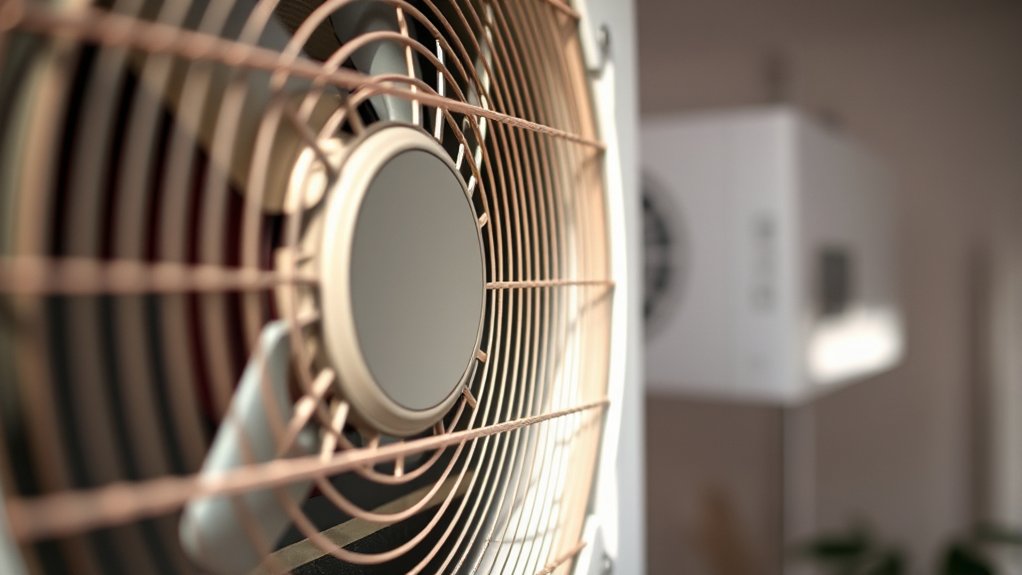
You’ll often find leaves, twigs, and other debris inside your AC unit. These can cause the fan blades to hit and create rattling noises.
On top of that, loose screws or panels might vibrate when the unit is running, which only makes the noise worse.
Taking a close look at these common trouble spots and tightening any loose parts can really help cut down on those loud sounds.
Plus, it’s good for your system’s overall performance.
Common Debris Sources
Although small debris like leaves, twigs, and dirt might seem insignificant, they can easily enter your air conditioning unit and interfere with the fan blades, causing rattling noises. These foreign materials disrupt airflow and create mechanical issues that reduce your AC’s efficiency.
Furthermore, loose screws or panels inside the unit can vibrate during operation, amplifying noise and signaling potential repair needs. Regular maintenance is essential to remove debris buildup and tighten any loose components, ensuring efficient operation.
Ignoring these common debris sources increases wear on your system and can lead to costly repairs down the line. By promptly addressing debris-related rattling noises, you protect your air conditioner’s longevity and maintain peak performance.
Identifying Loose Components
Several loose components inside your air conditioner can cause loud noises that indicate underlying mechanical issues.
To identify and fix these problems, focus on these key areas:
- Inspect fan blades for debris or looseness causing rattling and elevated noise levels.
- Check all screws and panels for tightness, as loose parts can vibrate and amplify noise.
- Perform regular cleaning and inspection to prevent debris buildup that interferes with critical components.
Make sure to address any unusual noises immediately to avoid further damage to the air conditioning system.
Consistent maintenance reduces mechanical issues and guarantees your unit operates quietly and efficiently.
Identifying AC Noise From Worn Bearings and Belts
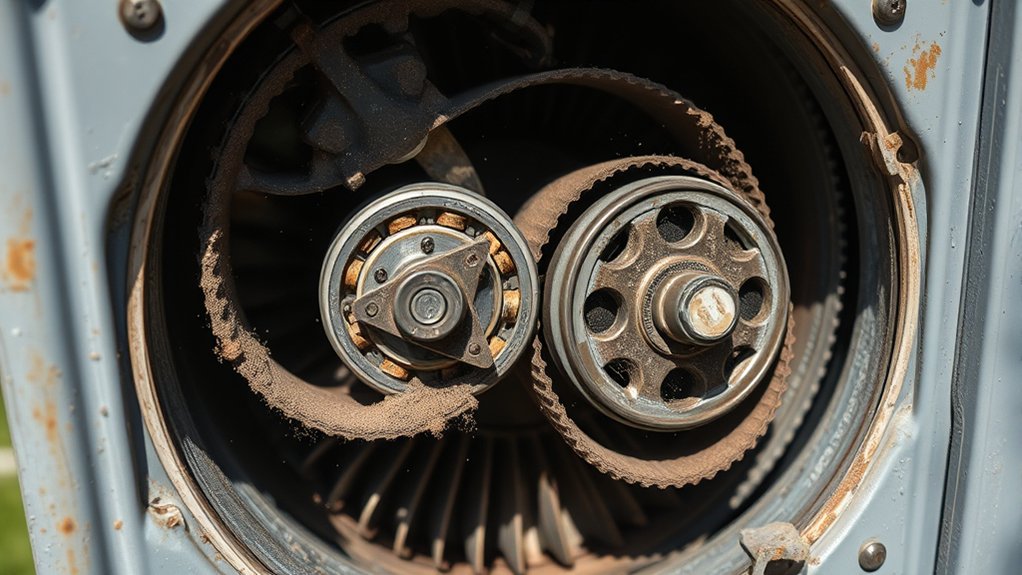
If your AC is making grinding or growling sounds, it’s probably due to worn bearings that need to be replaced soon.
On the other hand, if you hear squealing noises, it often means the belts are wearing out or the pulleys are misaligned, which can cause extra wear and more noise.
Checking these parts regularly can keep your AC running smoothly and quietly, and it helps you avoid expensive repairs down the line.
Bearing Noise Symptoms
When you hear grinding or growling noises from your air conditioner, worn or damaged bearings are often the cause and require immediate attention to prevent costly repairs. Bearing noise typically shows up in a few different ways.
First, a grinding noise usually means the bearings are worn, which messes with the fan motor’s smooth operation. You might also hear a deep humming noise, which points to friction inside the bearing assembly of the AC unit.
Squealing sounds can suggest that belts are deteriorating and putting extra stress on the bearings. This means it’s time for regular maintenance.
You might also notice increased vibration or mechanical resistance, and that can speed up wear and cause even more damage.
To stop these problems from getting worse, make sure to schedule regular maintenance and lubrication of the bearings. Replacing worn bearings on time will keep your AC running quietly and help it last longer.
Belt And Pulley Issues
Although bearing wear often causes noticeable noise, belt and pulley issues also greatly contribute to loud sounds in your air conditioner. A worn or cracked belt usually produces a high-pitched squealing noise, signaling the need for immediate replacement. Misaligned pulleys amplify noise and accelerate belt wear, so regular maintenance checks are essential.
Bearings, when damaged, cause grinding or screeching sounds. This indicates replacement is necessary to maintain the AC unit’s smooth operation. Technicians can assess and replace faulty belts, bearings, or realign pulleys to reduce noise considerably.
| Issue | Noise Characteristic |
|---|---|
| Worn Bearings | Grinding, screeching |
| Loose Belt | Squealing |
| Cracked Belt | Intermittent squealing |
| Misaligned Pulley | Increased general noise |
Sounds That Mean AC Compressor or Refrigerant Problems
How can you identify serious issues with your AC compressor or refrigerant by sound alone? A loud air conditioner often signals underlying compressor issues or a refrigerant leak.
Here are key sounds to monitor:
- Banging noises usually indicate loose compressor components needing immediate inspection.
- Hissing sounds often reveal refrigerant leaks, reducing cooling efficiency and risking system failure.
- Deep rumbling or humming suggests a failing compressor, which requires timely replacement.
- Unusual sounds like buzzing may point to electrical problems within the compressor, posing fire hazards.
Recognizing these noises early helps you address problems before they escalate.
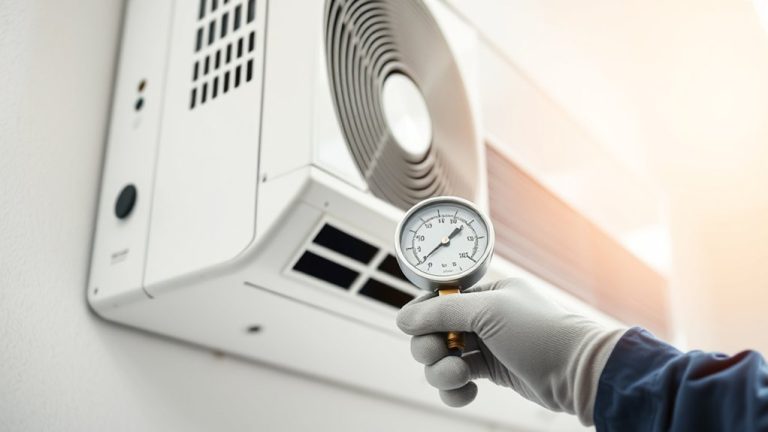
This way, you ensure your AC operates safely and efficiently. If you hear any of these sounds, it’s best to schedule a professional evaluation promptly.
Electrical Issues Causing AC Buzzing and Clicking
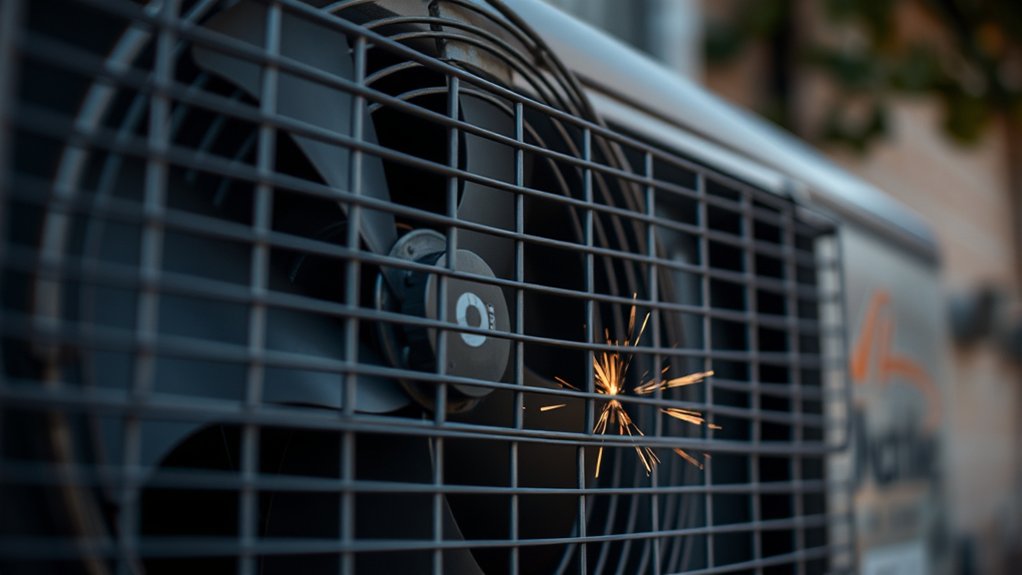
Buzzing and clicking sounds in your air conditioner often point to electrical issues that demand immediate attention.
Buzzing sounds typically arise from frayed wires or failing switches, signaling potential hazards. Persistent clicking noises often indicate a malfunctioning thermostat or loose electrical connections.
Moreover, chattering relays can produce popping sounds, further confirming electrical faults within the system. Ignoring these electrical issues risks severe system failures or even fire hazards.
To prevent costly damage, regular maintenance is crucial for identifying and addressing these problems early.
Always seek professional evaluation when you notice buzzing or clicking noises. Timely intervention guarantees your air conditioner operates safely and efficiently.
Addressing electrical faults promptly safeguards your system’s longevity and performance.
How Poor AC Maintenance and Vibration Increase Noise
When you neglect regular maintenance, debris can build up inside your air conditioner. This can cause the fan blades to hit obstructions and create rattling noises. Poor AC maintenance often leads to these problems, along with a few other issues.
For example, worn bearings can make grinding noises, which usually means they need to be replaced right away. Loose screws or panels might vibrate, making the noise louder and lowering your AC’s efficiency.
Also, misaligned pulleys or worn belts, which you can spot during regular check-ups, tend to increase operational noise.
Sometimes, electrical problems like frayed wires cause vibrations that produce buzzing sounds. These noises could be warning signs of potential hazards.
If your air conditioner starts making unusual noises, these are likely the reasons. Fixing them means getting maintenance done on time to avoid more damage and excess noise.
Regular inspections are key. They help catch and fix issues early on, so your AC runs quieter and safer.
Simple DIY Fixes to Reduce AC Noise
Addressing noise issues in your air conditioner often starts with straightforward DIY steps that target the common causes identified during maintenance.
First, regularly clean or replace the air filter to maintain ideal airflow and reduce noise levels caused by strain.
Next, inspect and tighten any loose screws or panels to prevent vibrations that increase noise.
Examine fan blades for obstructions and debris like leaves or twigs, clearing them out to avoid rattling or buzzing sounds.
Make sure the fan blades are balanced to eliminate squealing.
Finally, consider applying insulation or acoustic panels around the unit to dampen operational noise further.
These precise actions can greatly reduce your AC’s loudness without professional help, extending its efficiency and comfort.
It’s really about taking small steps that make a big difference.
Give these a try and see how much quieter your AC can get!
When Loud AC Noises Mean Time for Professional Repair
Although some noises from your air conditioner can be resolved with simple maintenance, loud or unusual sounds often signal underlying mechanical or electrical issues that require professional repair.
If you hear persistent noises, it’s essential to contact an HVAC technician promptly.
Here are common reasons a noisy air conditioner needs expert attention:
- Loud banging or screeching often points to a failing compressor or loose components.
- Continuous clicking or humming typically indicates malfunctioning electrical components.
- Buzzing noises may result from refrigerant leaks or damaged fan motors.
- Ignoring these sounds can cause system failure, demanding costly repairs.
Regular maintenance helps reduce noise, but if your AC is consistently loud, it’s a sign professional repair is necessary.
Taking action protects your system’s integrity and guarantees safety.
Frequently Asked Questions
Can Loud AC Noises Affect My Indoor Air Quality?
Yes, loud AC noises can affect your indoor air quality. Compressor noise and vibration often indicate mechanical strain, which can make ductwork issues worse and reduce airflow. This messes with how well your air filter works, letting pollutants circulate around.
Plus, high indoor humidity from inefficient cooling encourages mold growth.
To boost air quality, it’s a good idea to focus on maintenance like cleaning or replacing air filters. You can also improve insulation, adjust fan settings, and use vibration dampening materials to cut down noise and help your system run better.
How Does Outside Temperature Impact AC Noise Levels?
Temperature fluctuations and humidity levels directly impact your AC’s noise by stressing compressor function and fan operation. High outdoor heat forces your unit to work harder, increasing vibrations and noise.
Poor insulation effectiveness and improper unit placement amplify these sounds.
Environmental factors like heat and debris worsen wear, so consistent maintenance practices are essential.
By optimizing placement, sealing insulation, and scheduling regular upkeep, you can minimize noise linked to temperature changes.
It’s all about keeping your system in good shape to keep things quiet.
Are Certain AC Brands Quieter Than Others?
Yes, certain AC brands are quieter because they use advanced fan designs, vibration dampening, and compressor noise reduction technologies.
When you’re choosing an AC, it’s a good idea to compare noise ratings. Focus on models that highlight quiet operation and energy efficiency.
Installation quality and regular maintenance also play a big role in how much noise your system makes.
By picking brands like Trane or Lennox, which are known for being quieter, and keeping up with regular maintenance, you can ensure your system runs quietly and efficiently.
It really makes a difference in your overall comfort and performance.
Can Installing Sound Barriers Reduce AC Noise?
Yes, installing sound barriers with quality soundproofing materials can greatly improve noise insulation around your AC.
Combine this with ductwork adjustments and vibration dampeners to reduce vibrations and airborne noise. Proper unit placement guarantees airflow isn’t blocked, enhancing efficiency.
Adjusting fan speed and considering compressor design also helps.
Don’t forget regular maintenance tips; keeping parts clean and tight prevents excess noise, making your AC quieter and more efficient overall.
It’s all about combining these steps for the best results.
Does the Age of My AC Unit Influence Noise Production?
A 12-year-old unit Jake owned grew louder despite regular maintenance practices due to component wear and outdated ductwork design.
Yes, the AC lifespan directly influences noise production. As parts degrade, vibrations increase, especially if vibration dampening or installation quality is poor.
Refrigerant issues and user habits also play roles.
You can reduce noise by updating worn components, improving ductwork, and ensuring proper installation.
But older units often need replacement for quiet, efficient operation.
Conclusion
If your AC is loud, it’s often due to debris, loose parts, or worn components like bearings and belts. While some believe refrigerant issues cause noise, it’s usually mechanical wear or electrical faults instead. Regular maintenance and tightening can reduce noise, but persistent loud sounds often signal deeper problems.
Addressing these promptly not only restores quiet operation but also prevents costly damage. When in doubt, consulting a professional guarantees accurate diagnosis and safe repair. Don’t ignore the noise—it’s better to check it out sooner rather than later.