How Much to Replace Air Conditioner Compressor: 3 Key Costs
When replacing your air conditioner compressor, expect three main costs: parts, labor, and unexpected expenses. Parts typically run $400 to $1,300, while labor ranges from $600 to $1,200 for 4-6 hours of skilled work.
Extra costs can come up if you need to replace related components or if the unit is hard to access. These additional expenses sometimes add $200 to $700.
Keep in mind that regional rates and the type of refrigerant used also impact the pricing. Knowing these factors helps you plan better before moving forward with the replacement process.
What Are the Main Costs in AC Compressor Replacement?
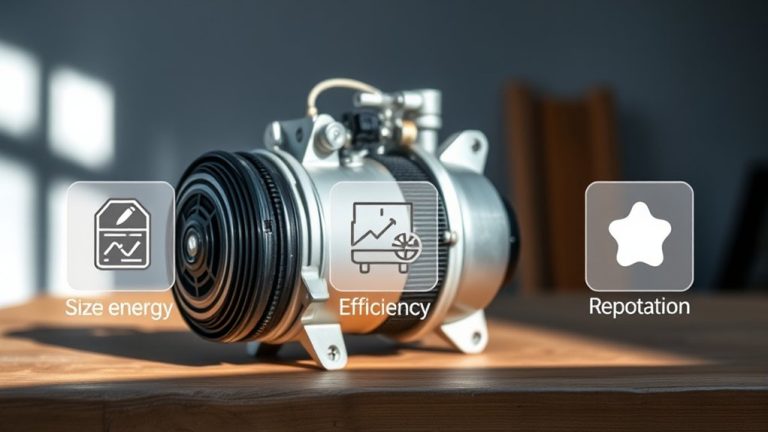
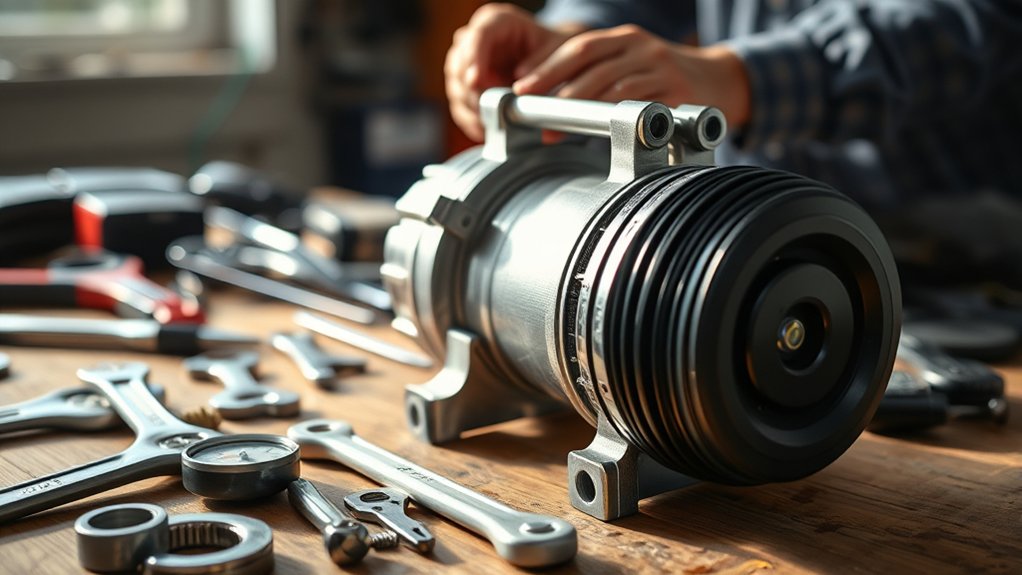
When you replace an AC compressor, the main costs break down into parts and labor. The average AC Compressor Replacement Cost ranges from $1,200 to $2,500, depending on the size and type of compressor.
Parts for the compressor typically cost between $400 and $1,300, while labor costs, charged by an HVAC company, usually fall between $600 and $1,200 for 4-6 hours of work.
Compressor parts range from $400 to $1,300; labor typically costs $600 to $1,200 for several hours.
Additional costs may occur if related components like filter driers or refrigerant lines need replacement, especially in older systems.
Warranty coverage can greatly reduce your out-of-pocket expenses, sometimes lowering the total to $600 to $1,200, including labor and refrigerant.
Understanding these factors helps you budget effectively when replacing the compressor in a modern residential AC system.
It’s always a good idea to get a detailed estimate upfront so you know what to expect.
How Do Labor and Installation Affect Your Total Price?
How much you pay for labor and installation can greatly influence your total AC compressor replacement cost. Labor costs typically range from $600 to $1,200, depending on factors like regional rates and the complexity of your HVAC system.
Professional installation usually takes 4-6 hours, with hourly rates between $75 and $150. Technicians must also perform refrigerant recovery to comply with EPA regulations, which adds to labor time and cost.
So, it’s not just about the hours worked but also the steps involved in keeping things safe and legal.
Key factors affecting labor and installation include:
- Specialized skills: Installing variable-speed compressors demands more expertise.
- Accessibility: Units in hard-to-reach areas, such as rooftops, increase labor intensity.
- Regional rates: Labor prices vary considerably by location.
All these elements directly impact the total cost of your compressor replacement. It’s good to keep them in mind when budgeting for the job.
What Unexpected Expenses Can Raise Your Replacement Cost?
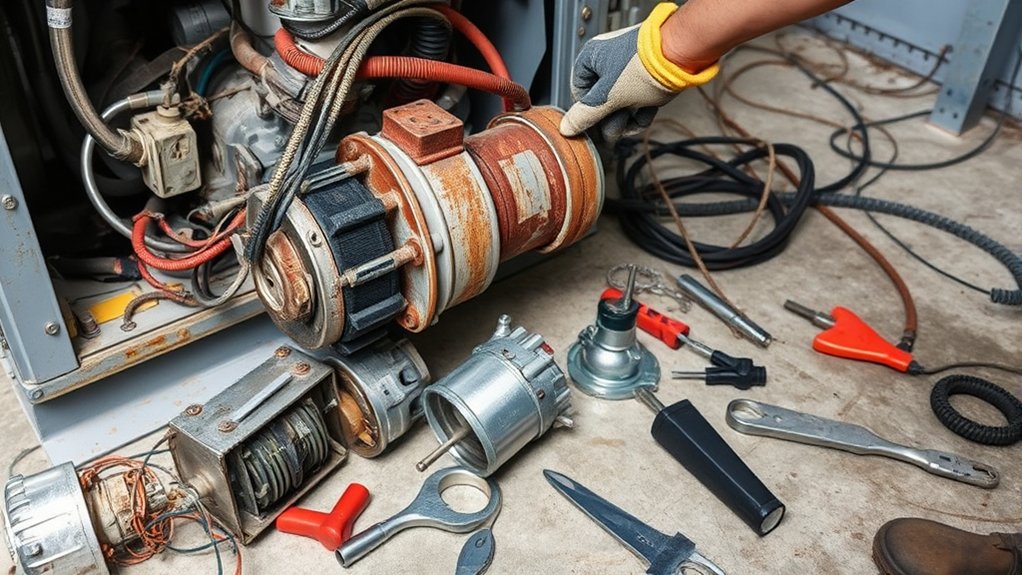
Although you might budget for the compressor replacement itself, unexpected expenses can quickly increase your overall cost. Additional expenses often include replacing the filter drier, capacitor, contactor, or refrigerant line set after compressor failure. Labor costs vary widely, influenced by accessibility challenges such as rooftop units.
Older systems may incur compatibility issues or require system upgrades, adding to replacement costs. Using outdated refrigerants like R-22 also elevates expenses compared to R-410A.
| Unexpected Cost | Cause | Impact on Replacement Costs |
|---|---|---|
| Component Replacements | Filter drier, capacitor | +$200 to $500 |
| Labor Costs | Location, complexity | $75 to $150/hour |
| Compatibility Issues | Older system upgrades | +$300 to $700 |
| Accessibility | Rooftop or difficult access | Increased labor time |
| Refrigerant Type | R-22 vs. R-410A | Higher costs with R-22 |
Frequently Asked Questions
How Long Does an AC Compressor Replacement Typically Take?
The typical compressor replacement duration ranges from 4 to 6 hours. Your labor time estimate depends on technician efficiency factors and installation complexities.
Scheduling considerations, like avoiding peak seasons, can reduce emergency repair times.
Understanding the replacement process overview helps you prepare for the typical service length. To save time, guarantee easy system access and have all parts ready beforehand.
Seasonal impact often extends service time due to technician demand.
Planning ahead can really make a difference and help things go smoothly.
Can I Replace the AC Compressor Myself to Save Money?
Replacing your AC compressor yourself can feel like defusing a complex bomb. DIY repairs demand specialized tools, thorough troubleshooting steps, and strict safety precautions.
You must understand compressor types and consider warranty implications, as DIY work might void it.
A cost analysis often shows professional help guarantees efficiency upgrades and long-term savings despite upfront fees.
Without technical skills, you risk costly errors. So, weigh risks before diving into this technical task.
How Do I Know if My Compressor Really Needs Replacing?
You’ll know your compressor needs replacing if you notice key compressor symptoms like persistent cooling issues, unusual noise concerns, or refrigerant leaks.
Replacement signs also include system age, usually over 10 years, and poor maintenance history.
It’s a good idea to use diagnostic methods such as a professional assessment to check electrical components and pressure levels. Cost factors matter too; if repairs cost more than half the unit’s value, replacing it’s usually the better choice.
Regular maintenance can help prevent premature failure, so keeping up with it’s definitely worth the effort.
That way, you’ll avoid unexpected breakdowns and extend your system’s life.
Will a New Compressor Improve My Ac’s Energy Efficiency?
A new compressor can boost your AC’s energy efficiency like a well-tuned engine improves a car’s performance.
Choosing the right compressor type with high efficiency ratings guarantees peak cooling capacity and seasonal performance. Proper installation impacts system compatibility and maximizes energy savings.
Maintenance tips help sustain efficiency, while warranty options protect your investment.
Despite upfront costs, the long-term cost benefits from reduced utility bills and potential rebates make upgrading smart and rewarding.
How Often Should an AC Compressor Be Replaced?
You should replace your AC compressor every 10 to 20 years, depending on the AC’s lifespan and the type of compressor.
Keep an eye out for signs of failure like refrigerant leaks, unusual noises, and declining energy ratings.
If repair costs get high, especially above 50% of what a replacement would cost, it’s usually better to just change it.
Following maintenance tips can help extend the compressor’s life.
But once your warranty ends and you notice a drop in performance, replacing the compressor often makes more sense than repairing it.
Regular inspections are a great way to catch issues early and keep your AC running efficiently.
Conclusion
Replacing your AC compressor typically costs between $1,200 and $2,500. Labor and installation make up nearly 40% of the total expense.
Understanding these costs helps you budget effectively and avoid surprises. Keep in mind, unexpected expenses like refrigerant recharge or electrical repairs can push the price higher.
By anticipating these factors, you guarantee a smoother replacement process. This way, you maintain your system’s efficiency without breaking the bank.