5 Price Ranges for a New Air Conditioner in 2026
In 2026, you’ll find new air conditioners priced across five main ranges. Entry-level units start around $3,000 with basic SEER ratings close to 14. Mid-range systems go from $4,000 to $8,000, offering improved efficiency and features like variable-speed compressors.
Higher-end models cost between $10,000 and $16,000, featuring advanced technology and smart integration. Extra costs like permits and ductwork adjustments can add up, so understanding the full budget will help you choose the best fit for your needs.
It’s a good idea to factor in those additional expenses early on. That way, you won’t be caught off guard when the final bill comes. Picking the right air conditioner isn’t just about the price tag—it’s about what works best for your home and comfort.
How to Budget for Your New AC in 2026
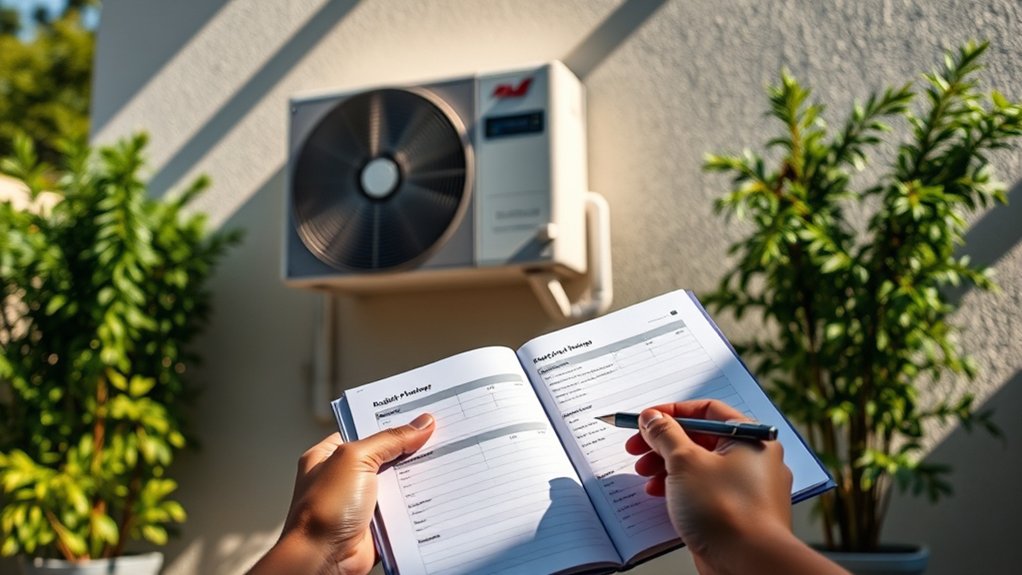
When budgeting for your new air conditioner in 2026, expect to allocate between $3,000 and $7,500. This covers both the unit and installation. Your HVAC air conditioning replacement costs will vary based on system size, energy efficiency ratings, and installation complexity.
Don’t forget to factor in potential ductwork modifications, which can raise total expenses.
To manage your budget effectively, explore financing options and take advantage of federal rebates. These rebates can reduce costs by $200 to $2,000 for qualifying energy-efficient units.
You can also use the “$5,000 rule” to decide if replacement is more economical than repair.
It’s smart to schedule installation during off-peak seasons like spring or fall to secure better pricing. Planning carefully guarantees you control your replacement cost without compromising system performance or efficiency.
Extra Costs to Expect When Replacing Your AC
Although the base cost of a new air conditioner covers the unit and installation, you should anticipate additional expenses that can affect your total investment. Extra costs in an HVAC replacement often include installation permits, which typically add $200 to $500.
Electrical adjustments may be necessary, ranging from $100 to $600 depending on complexity.
Essential components like indoor coils, outdoor pads, and copper line sets can increase costs by several hundred dollars. If your system requires ductwork modifications, expect a significant price rise, especially if a condensate pump is installed, averaging around $370.
Opting for a higher energy efficiency system may increase upfront costs but reduces long-term operating expenses.
Being aware of these factors guarantees a more accurate budget for your AC replacement. So, it’s a good idea to plan ahead and keep these extra costs in mind!
Entry-Level Air Conditioners: Affordable Cooling Options
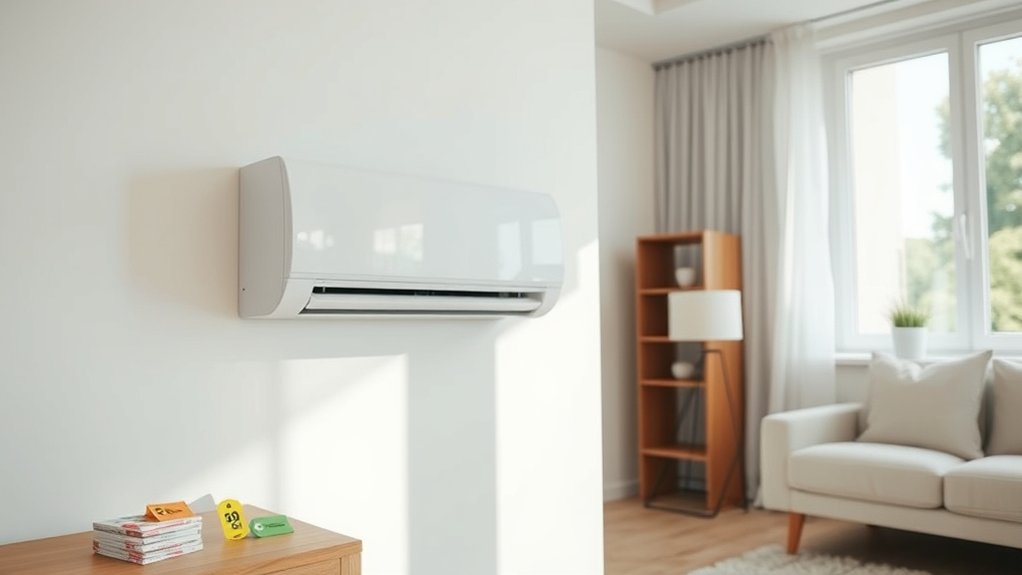
Entry-level air conditioners typically cost between $3,000 and $7,500, including installation. This makes them a practical choice for budget-conscious homeowners.
Entry-level air conditioners cost $3,000 to $7,500 installed, ideal for budget-conscious homeowners.
These affordable cooling options generally feature SEER ratings of 14 to 15, which meet basic energy efficiency standards without high upfront costs.
You can choose from central systems or ductless systems starting around $3,000. Ductless systems are especially useful if your home lacks ductwork.
While these units offer reliable cooling, they mightn’t deliver as many long-term energy savings compared to more advanced models.
Working with experienced HVAC contractors guarantees proper installation and helps ensure you qualify for utility rebates. These rebates can potentially lower your investment.
So, entry-level units provide:
- Essential cooling performance
- Compliance with minimum efficiency standards
- Flexible ductless system options
- Opportunities for cost reduction through rebates
Mid-Range Air Conditioners and Efficiency Features
Mid-range air conditioners typically range from $4,000 to $8,000, including installation and essential components. They offer a balanced combination of cost and energy efficiency.
These models feature SEER ratings between 14 and 18. Plus, variable-speed compressors enhance temperature control while lowering replacement costs through improved energy efficiency.
You’ll find tonnage options tailored for effective cooling in homes of various sizes. Seasonal promotions make mid-range air conditioners a financially attractive option. Installation costs are generally included, which helps streamline the upgrade process.
| Feature | Details |
|---|---|
| Price Range | $4,000 – $8,000 |
| SEER Ratings | 14 – 18 |
| Key Feature | Variable-speed compressors |
| Application | Cooling homes (various sizes) |
| Cost Benefits | Seasonal promotions available |
High-End AC Systems: Advanced Features and Pricing
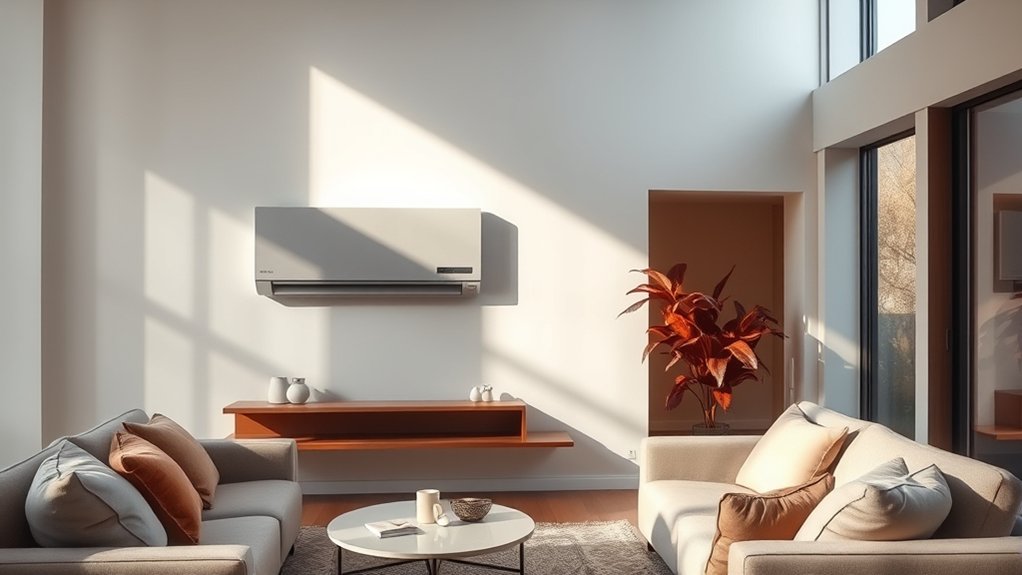
If you’re looking for top-tier performance and cutting-edge technology, high-end air conditioning systems offer substantial upgrades beyond mid-range models.
These units, priced between $10,000 and $16,000, incorporate advanced technology like variable-speed compressors and higher SEER2 ratings (19–21+). This means you get significant energy savings and reduced operating costs.
You’ll also benefit from smart home integration for seamless remote control and monitoring. Plus, enhanced durability features guarantee a longer lifespan and lower maintenance costs, making the investment worthwhile.
Key advantages of high-end air conditioning systems include:
- Superior indoor air quality with advanced filtration systems that capture finer particles
- Exceptional energy efficiency driven by higher SEER ratings
- Convenient smart home integration with mobile app control
- Robust durability features reducing maintenance costs over time
Frequently Asked Questions
How Long Does a New Air Conditioner Typically Last?
A new air conditioner typically lasts 15 to 20 years if you maintain it well. To maximize its lifespan, consider energy efficiency, noise levels, and cooling capacity during installation.
Installation costs and warranty options also impact your long-term savings.
Smart technology can help optimize seasonal usage and reduce environmental impact. Keep an eye on replacement indicators like declining performance or rising energy bills.
It’s a good idea to choose reputable brands to guarantee durability and reliable support throughout your AC’s life.
What Maintenance Is Required for a New AC System?
Think of your new AC like a high-performance car. Neglecting filter replacement and coil cleaning is like skipping oil changes.
You’ll need to monitor refrigerant levels, perform thermostat calibration, inspect ducts, and check insulation regularly.
Seasonal maintenance, including drain line clearing, boosts energy efficiency and reduces noise. Keeping up with these tasks helps prevent costly breakdowns and extends the life of your system.
With diligent upkeep, your AC will run smoothly and quietly all year round. It’s worth the effort to stay comfortable without surprises!
Are There Any Rebates or Tax Credits for Energy-Efficient AC Units?
Yes, you qualify for various rebate eligibility and tax credit options when choosing energy-efficient AC units.
Federal incentives offer up to $2,000 in tax credits, while local programs and utility rebates provide additional savings, typically ranging from $200 to $500.
Seasonal savings and manufacturer offers can further reduce your costs.
Installation grants may also be available if you opt for eco-friendly choices.
Make sure to verify your eligibility so you can maximize these financial benefits and improve your system’s efficiency.
How Does Climate Affect the Choice of Air Conditioner?
Think of choosing an air conditioner like picking a tailored suit. It really depends on your climate zone. You’ll want higher cooling capacity and energy efficiency in hotter areas.
High humidity levels call for systems that can handle moisture control, like heat pumps. Temperature extremes and insulation quality also play a role. They influence installation costs and system durability.
Regional preferences and environmental impact guide your choice too. This way, you balance performance with sustainability and long-term savings.
It’s all about finding what works best for your specific situation.
Can I Install an Air Conditioner Myself or Should I Hire a Professional?
You can attempt DIY installation to save some money, but there are safety concerns you should keep in mind.
You’ll need specialized tools and a solid understanding of electrical systems and refrigerants. It’s not always as simple as it looks.
Plus, local regulations and permits can make things more complicated. If you don’t set it up properly, you might even void your warranty. That’s definitely something to consider before diving in.
The complexity of the system and any future upgrades often make hiring a professional the better choice. Experts ensure everything meets code, works efficiently, and lasts longer.
In the end, hiring someone might cost more upfront, but it can save you time and prevent costly mistakes down the road. It’s usually worth it for peace of mind.
Conclusion
Now that you know the price ranges and features across all AC categories, you’re closer to making the right choice. But before you decide, consider how efficiency, installation, and extra costs might impact your budget.
Will you settle for entry-level affordability or invest in cutting-edge technology? Your perfect air conditioner isn’t just about price—it’s about matching performance to your needs.
The next step could transform your home comfort in ways you haven’t imagined yet.