What Is an Air Conditioner Compressor and How Does It Work?
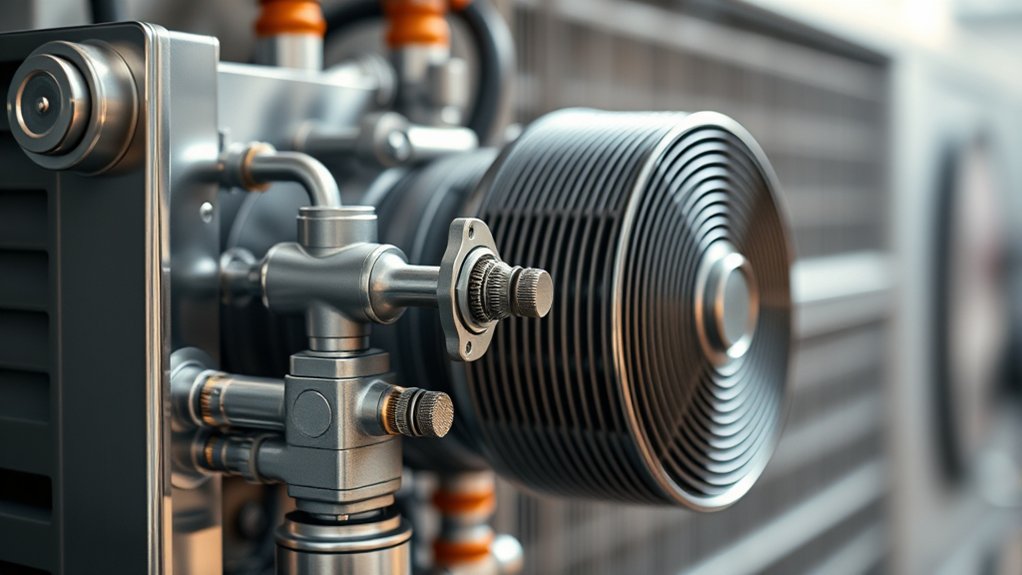
An air conditioner compressor powers your system by circulating and pressurizing refrigerant. It transforms low-pressure gas from the evaporator into high-pressure, high-temperature gas. This gas then releases heat in the outdoor condenser before cooling back to liquid form.
This cycle keeps your home cool. The compressor is located in the outdoor unit, and its efficiency is key for ideal cooling. If you want to understand how it impacts performance and maintenance, there’s more useful information ahead.
What Is an AC Compressor and Why It Matters?
An AC compressor plays a critical role in your air conditioning system by circulating and pressurizing refrigerant to facilitate heat transfer.
As the air conditioner compressor raises the pressure and temperature of low-pressure refrigerant gas, it enables efficient heat exchange between indoor and outdoor environments. This process is essential for the cooling cycle in any HVAC system.
Without a properly functioning compressor, your unit can’t cool or dehumidify air effectively, rendering the system inoperative.
To guarantee your compressor operates reliably and lasts 10 to 15 years, routine maintenance is key. You should schedule regular inspections and servicing with a licensed HVAC professional who can detect issues early and maintain peak compressor performance, preventing costly repairs or premature replacements.
Where to Find the Compressor in Your Air Conditioner
You’ll usually find the compressor in the outdoor condenser unit, tucked inside a metal box.
Some parts of the system, like the evaporator coil, are actually indoors, but the compressor stays outside. This outdoor placement is key because it helps with the heat exchange process.
Knowing where the compressor is can make it a lot easier to maintain your system and troubleshoot any problems that come up.
Compressor Location Overview
Although the compressor plays an essential role in your air conditioning system, locating it’s straightforward since it’s usually housed within the outdoor condenser unit. This unit sits outside your home and contains the compressor inside a metal enclosure alongside the fan and condenser coil.
The compressor connects to the evaporator coil indoors through copper tubing, circulating refrigerant to transfer heat efficiently.
In packaged HVAC systems, you’ll find the compressor integrated within a single unit that includes both evaporator and condenser components.
For ductless air conditioning systems, the compressor remains in the outdoor unit, separate from the indoor cooling units.
Understanding this layout helps you identify where the compressor operates within your overall air conditioning system for maintenance or troubleshooting.
Indoor Vs. Outdoor Placement
When considering where to find the compressor in your air conditioner, understanding the difference between indoor and outdoor placements is essential. Typically, the compressor resides in the outdoor unit, where it facilitates heat exchange by compressing refrigerant and expelling heat absorbed from indoor air.
This placement guarantees effective ventilation, preventing the compressor from overheating.
In packaged AC systems, the compressor integrates within a single outdoor unit, simplifying installation. Meanwhile, ductless systems connect outdoor compressors to indoor units via refrigerant lines, allowing targeted cooling in different rooms.
Indoor compressor placement is rare because it limits ventilation and reduces heat discharge efficiency, which impairs the cooling process.
Proper outdoor installation and ventilation are critical to maintaining compressor performance and sustaining efficient air conditioning operation.
How the AC Compressor Moves Refrigerant to Cool Your Home
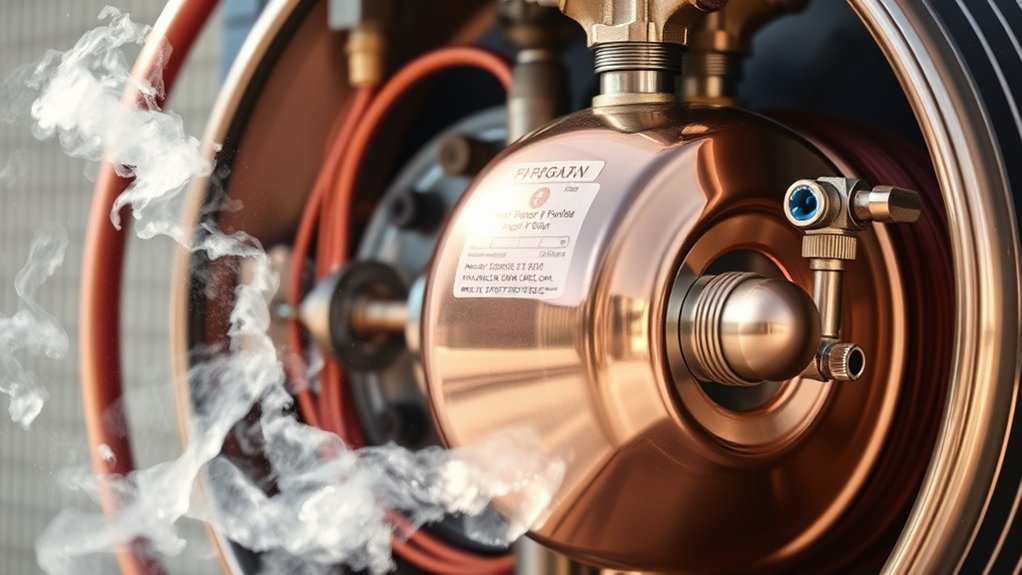
The AC compressor pumps low-pressure refrigerant gas from the evaporator coil, compressing it into a high-pressure, high-temperature gas.
The AC compressor compresses low-pressure refrigerant gas into a high-pressure, high-temperature gas for cooling.
This compressed refrigerant gas moves to the outdoor condenser unit, where it releases heat from the air to the outside environment.
As the refrigerant cools, it condenses into a liquid and passes through an expansion valve, dropping its pressure.
This low-pressure liquid then flows back into the evaporator coil, where it absorbs heat from the indoor air, lowering the indoor temperature.
The AC compressor drives this continuous cooling cycle, ensuring refrigerant circulates efficiently between the evaporator coil and condenser unit.
Common Signs Your AC Compressor Is Failing
Five key signs can indicate your AC compressor is failing and signal the need for prompt attention.
First, you may notice indoor temperatures remain constant despite the AC unit running. This shows the compressor isn’t cooling effectively.
Second, if the outdoor unit emits lukewarm or cool air during hot weather, this points to a compressor malfunction or refrigerant problems.
Third, strange noises like banging, hissing, or clattering suggest internal damage in the cooling system.
Fourth, refrigerant leaks around the unit often come with compressor failure and need immediate evaluation.
Finally, frequent short cycling, which means rapid on/off cycles, increases wear and signals underlying compressor issues.
If you see any of these signs, it’s best to consult an HVAC professional to diagnose and fix the problem right away.
What to Do If Your AC Compressor Fails
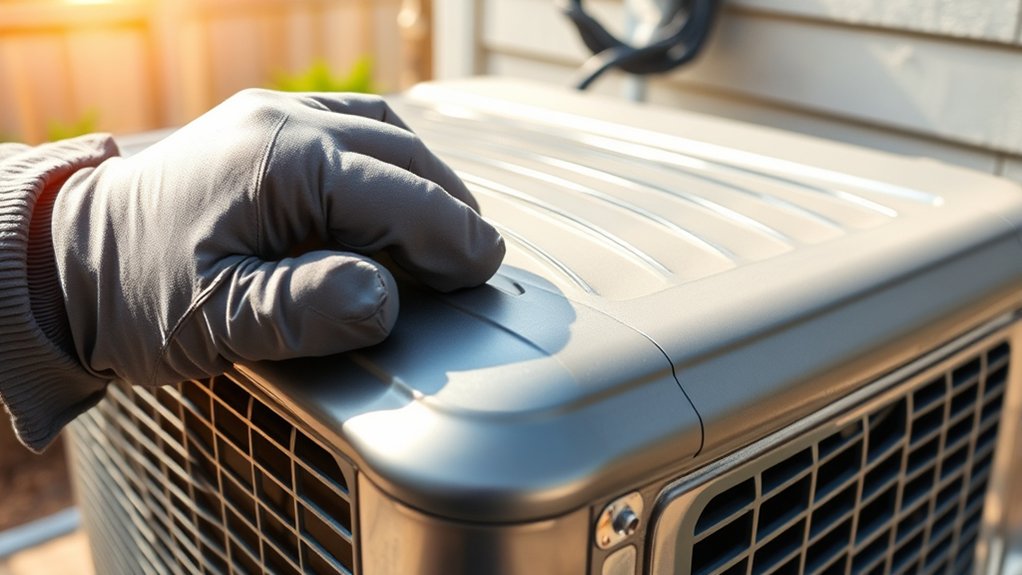
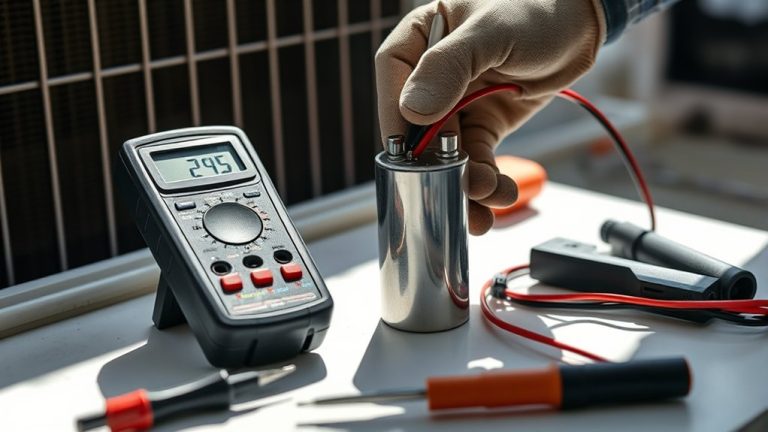
Noticing signs of a failing AC compressor means you need to act promptly to prevent further damage. First, check for power supply issues such as blown fuses or tripped circuit breakers.
Next, inspect for refrigerant leaks or unusual noises, which often signal internal damage.
Avoid attempting repairs yourself. Instead, contact a licensed HVAC technician for a professional diagnosis. The technician will assess whether to repair or replace the compressor based on its condition and your unit’s age.
Since compressors typically last 10 to 15 years, replacement might be more cost-effective for older systems.
Regular maintenance can extend cooling efficiency and prevent premature failure. Ultimately, weighing repair costs against replacement benefits guarantees your AC system operates reliably and efficiently.
How Long Does an AC Compressor Typically Last?
How long you can expect your AC compressor to last depends on several key factors. Typically, the lifespan of a compressor within an air conditioning unit ranges from 10 to 15 years. Usage frequency, quality of installation, and environmental conditions heavily influence this duration.
Harsh climates with dust or humidity accelerate wear and tear. Regular maintenance, including refrigerant checks and scheduled inspections by an HVAC technician, helps extend compressor life and maintain energy efficiency.
Neglecting maintenance can lead to premature failure and reduced cooling performance. Proper upkeep guarantees the compressor operates at peak performance throughout its lifespan, safeguarding your system’s functionality.
When Should You Repair or Replace Your AC Compressor?
You should think about repairing or replacing your AC compressor if you notice signs like strange noises, refrigerant leaks, or if it keeps turning on and off frequently.
These are clear hints that something’s not quite right.
Now, if your unit is over 10 years old and isn’t running efficiently, it might actually be more cost-effective to replace it rather than fix it.
Older systems tend to use more energy and can end up costing you more in the long run.
Before you make a decision, it’s a good idea to consider the cost of repairs, whether your warranty still covers anything, and how old the system is.
Taking all these factors into account will help you figure out the best move.
Signs Of Compressor Failure
Five key signs can indicate your AC compressor is failing and may need repair or replacement.
First, if indoor temperatures remain unchanged despite the compressor running, it signals compressor failure.
Second, lukewarm or cool air from the outdoor unit during hot months points to a refrigerant leak or refrigeration cycle issue.
Third, listen for strange noises like banging, hissing, or clattering, which suggest internal compressor damage.
Fourth, visible refrigerant leaks or pooling fluids around the unit require immediate attention.
Finally, frequent short cycling, where the compressor rapidly turns on and off, puts strain on the system and indicates underlying problems.
Monitoring refrigerant levels and contacting an HVAC contractor promptly guarantees proper diagnosis and prevents further damage.
It’s always better to catch these signs early so you can avoid more costly repairs down the line.
Keep an eye (and ear) out for these symptoms to keep your AC running smoothly.
Repair Versus Replacement
Recognizing the signs of compressor failure often leads to a tough choice between repairing or replacing the unit. If your compressor is nearing 10 to 15 years, replacement might be more practical. Older compressors tend to lose energy efficiency and raise operating costs.
Repairing a compressor can cost between $900 and $2,900. But if you notice inconsistent indoor temperatures or unusual noises, replacing the compressor could provide better long-term reliability.
Always consult an HVAC technician to diagnose the compressor’s condition accurately. They’ll help you weigh repair costs against the benefits of a new unit, such as improved energy efficiency and stable indoor temperatures.
Making an informed decision guarantees ideal system performance and cost-effectiveness. It’s worth taking the time to get it right.
Cost Factors And Warranty
Cost considerations play an essential role when deciding whether to repair or replace an AC compressor. The average replacement cost ranges from $900 to $2,900, influenced by brand, model, and labor charges. If your compressor is under warranty, you may only pay labor charges, greatly lowering expenses.
Since compressors typically last 10 to 15 years, the unit’s age helps guide your decision. You should weigh the replacement cost of the compressor alone against investing in a new, more efficient HVAC system.
Consulting an HVAC contractor can provide a thorough diagnosis to determine if repair or replacement maximizes your system’s efficiency and cost-effectiveness.
Ultimately, understanding these cost factors and warranty coverage guarantees you make an informed choice about your compressor’s future. It’s always better to know your options before making a decision. So, take the time to consider all the details.
Factors That Affect AC Compressor Replacement Cost
Replacing an AC compressor can vary widely in expense, usually ranging from $900 to $2,900 depending on the model and brand of your unit. Several factors influence the AC compressor replacement cost you’ll face.
First, check if your compressor or parts are still covered under warranty to reduce expenses. The age of your air conditioning system also matters. Older systems, like those 10 to 15 years old or more, might make a full replacement more cost-effective than just swapping the compressor.
Check your warranty and consider system age—older units may be better off fully replaced than just repaired.
Installation costs can add up since labor often isn’t covered under warranty. It’s a good idea to factor those in.
Also, don’t forget to explore federal tax credits and rebates that can help offset expenses when you upgrade your system.
Understanding these variables helps you make informed decisions about repair versus replacement. This way, you can optimize your HVAC investment and avoid surprises down the road.
How Regular Maintenance Keeps Your AC Compressor Running Smoothly
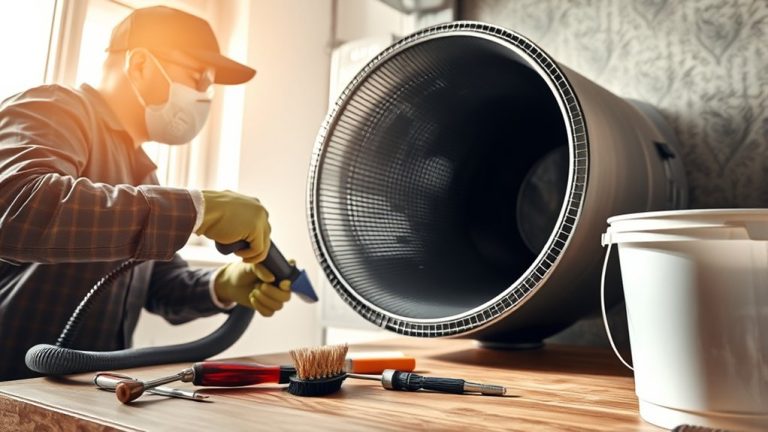
Although your AC compressor works hard to keep your home cool, regular maintenance is key to making sure it runs efficiently and lasts longer. A licensed HVAC technician checks important things like refrigerant levels to avoid compressor stress and premature failure.
Cleaning the condenser coil during maintenance helps prevent dirt buildup, which can block heat exchange and cause the compressor to overheat. Changing air filters frequently keeps the airflow steady and reduces strain on the compressor. This also improves overall efficiency.
Scheduling seasonal maintenance is a smart move because it helps catch problems early. This way, you can avoid costly repairs and extend the compressor’s lifespan up to 15 years.
Routine inspections make sure all parts are working correctly, which keeps your energy bills down and your home comfortable.
In short, regular maintenance is the best way to keep your AC compressor running smoothly and reliably. It’s worth the effort to stay cool and stress-free all year long.
Practical Homeowner Tips to Support Your AC Compressor Between Services
To keep your AC compressor functioning efficiently between professional maintenance visits, you should take a few practical steps around your home. Proper airflow is critical. Clogged air filters or debris around the outdoor unit restrict air, causing the compressor to overheat and lose efficiency.
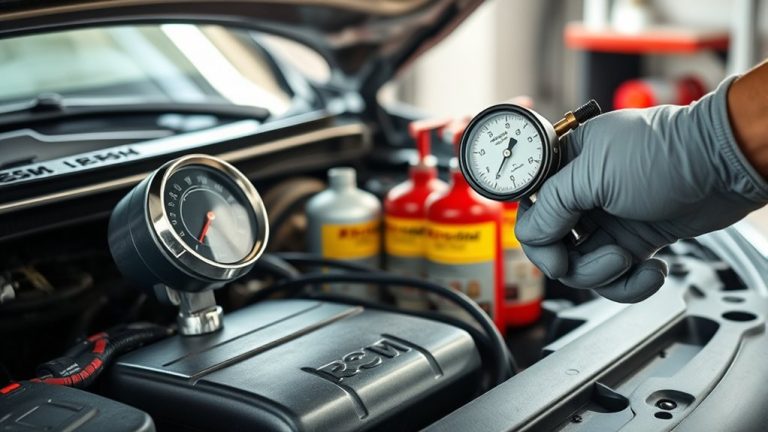
Also, monitoring refrigerant levels helps prevent compressor strain from leaks or low pressure. Your thermostat plays an essential role too. If it’s inaccurate, the compressor may run excessively, leading to unnecessary wear.
Focus on these key actions:
- Regularly clean or replace air filters to maintain ideal airflow.
- Clear leaves and dirt from the outdoor unit to prevent compressor overheating.
- Check thermostat accuracy and watch for refrigerant leaks to reduce compressor stress.
These steps support your compressor’s longevity between maintenance visits. It’s really about staying on top of the basics so your AC keeps running smoothly.
Frequently Asked Questions
What Types of Refrigerants Are Compatible With AC Compressors?
You’ll find refrigerant types like R-410A, R-22, and R-134a compatible with AC compressors.
But each one affects compressor efficiency and system compatibility in different ways.
For example, R-410A offers better energy efficiency and has a lower environmental impact.
On the other hand, R-22 is being phased out because it depletes the ozone layer.
Managing pressure levels and preventing refrigerant leakage are really important to keep your compressor running smoothly.
Following proper maintenance practices helps your system run efficiently and cuts down on environmental harm.
How Does Compressor Noise Affect AC Performance?
Imagine your AC compressor is like a car engine. When it rattles, the performance drops. Compressor noise directly reduces efficiency and can increase your energy costs.
You should use compressor maintenance tips and noise reduction techniques, like vibration dampening solutions and soundproofing strategies, to keep things running quietly.
Troubleshooting compressor noise early helps extend its lifespan and prevents costly replacements. Staying proactive keeps your system running smoothly and saves you money in the long run.
Can a Faulty Compressor Impact Indoor Air Quality?
Yes, a faulty compressor can degrade indoor air quality. Compressor failure symptoms like reduced cooling efficiency and inconsistent temperatures raise indoor humidity levels, creating air quality indicators such as stale air and mold growth.
This increases energy consumption and poses health risks, especially respiratory issues.
You must prioritize maintenance practices to prevent these problems. Regular checks guarantee efficient refrigerant circulation, controlling moisture and maintaining ideal air filtration for healthier indoor environments.
It’s really about keeping your system running smoothly so the air inside stays fresh and safe.
What Safety Features Protect an AC Compressor?
You’ll find several safety features protect an AC compressor from damage. Thermal protection prevents compressor overheating, while pressure relief devices manage high and low refrigerant pressures.
Circuit breakers guard against electrical overload, and vibration isolation minimizes mechanical stress.
The lubrication system guarantees smooth operation, reducing wear.
Together, these features keep your compressor running safely and efficiently. They help prevent costly failures and maintain peak performance.
How Do Inverter Compressors Differ From Traditional Compressors?
You’ll find inverter compressors excel in inverter efficiency by adjusting speed for precise temperature control, unlike traditional compressors that cycle on and off. This leads to significant energy savings and noise reduction.
Though installation complexity is higher, maintenance needs are lower due to less wear, extending lifespan compared to traditional units.
Conclusion
Your AC compressor might be out of sight, but it’s never out of mind. Without it, cooling your home is impossible. While a failing compressor can disrupt comfort and inflate costs, regular maintenance and timely repairs keep it efficient and reliable.
By understanding its role and acting proactively, you’ll avoid sudden breakdowns and extend your system’s life. Don’t wait for failure. Support your compressor now to guarantee consistent, cool air when you need it most.